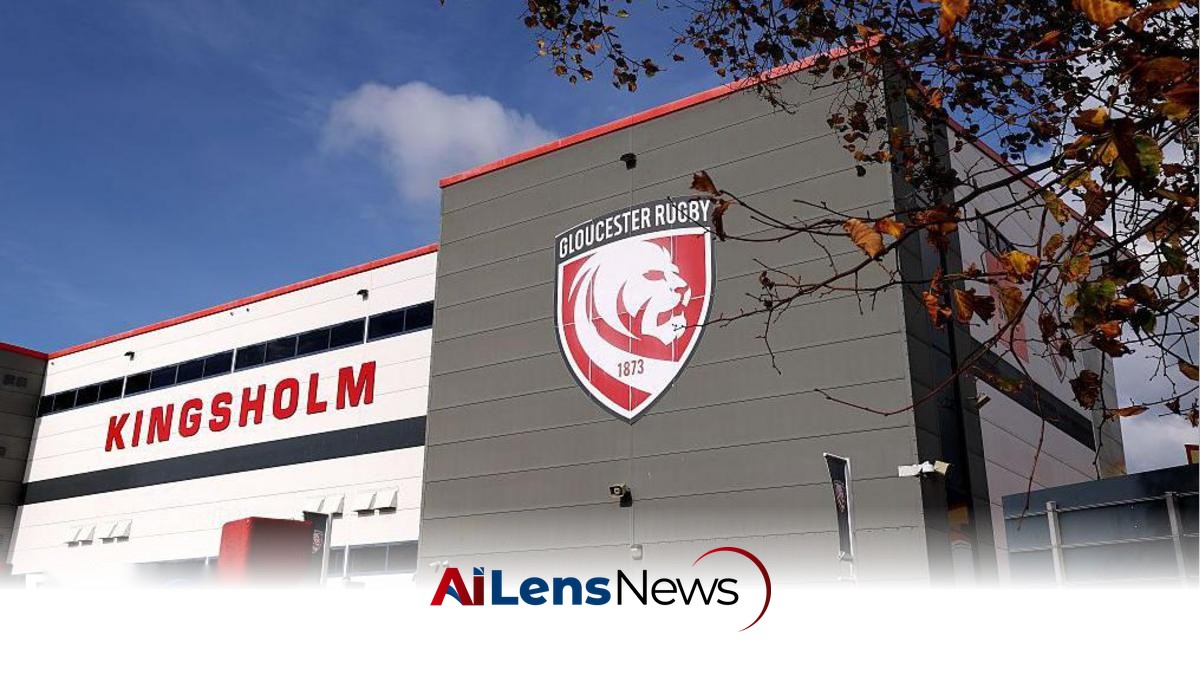


Gloucester's financial losses have surged to £2.91m for the year ending June 2025, as detailed in recent company accounts.
New Delhi, India Jul 2, 2026 ALN: Gloucester recorded an increase in losses from £516,355 to £2.91m for the year to June 2025.
In documents filed to Companies House on 30 June, the Premiership club also saw turnover fall from £14.9m to £13.4m across the same period, with gross profit dropping from £3.51m to £2.50m. These financial figures indicate a significant decline in the club's financial health, raising concerns among stakeholders about the sustainability of the club's operations moving forward.
The Cherry and Whites finished fifth in the league during the 2024-25 season, just outside the play-off places, marking their highest placing in the table for six years. This achievement, while commendable, was overshadowed by the financial losses that the club incurred. The performance on the pitch was a positive aspect, suggesting that the team was competitive, yet the off-field financial struggles highlighted a stark contrast between ing success and economic viability.
The report highlighted that the club was reliant on securing "additional funding" to support its ongoing operations and meet its obligations. This reliance on external financing is a critical concern, as it indicates that the club may not be generating enough revenue through its normal business activities to sustain its operations without additional financial support. The directors acknowledged the inherent uncertainties in forecasting future financial performance, particularly in the form of the competitive nature of the Premiership and variability in team performance, matchday revenue, sponsorship deals, broadcasting rights, and economic conditions affecting sponsorship and attendance.
"These conditions indicate the existence of a material uncertainty which may cast significant doubt on the company's ability to continue as a going concern," the report stated. This statement is particularly alarming, as it suggests that the club may face challenges in maintaining its operations if these financial trends continue. The directors expressed a belief that, considering these mitigating factors, there was a "reasonable expectation" the company would continue in operation for the foreseeable future. This optimism, however, may be viewed with caution by fans and investors alike, given the recent financial history of the club.
Gloucester owner Martin St Quinton has had a financial stake in the club since 2008 and took over as majority owner in 2016. His long-term involvement with the club places him in a unique position to understand its financial landscape. Speaking to BBC Radio Gloucestershire in May, he mentioned there was "more appetite" to invest in the Premiership now that promotion and relegation had been put on hold, and that the club was in discussions with potential new investors. This statement reflects a shifting climate in the league, where the financial implications of promotion and relegation can have significant impacts on a club's budget and strategy. St Quinton added that he had injected additional funds into the club to subsidize their financial shortfall, stating, "It's very difficult to be competitive in the league and break even." This acknowledgment of the financial pressures faced by clubs in the league is a stark reminder of the economic realities of professional s.
In an effort to bolster finances, Gloucester has taken proactive steps. Since the 2024-25 season, the club has swapped one of their home Premiership games at Kingsholm to play at Villa Park in Birmingham to generate more income. This move indicates a strategic approach to enhance revenue streams through larger attendance and increased matchday revenue. By playing at a larger venue, the club aims to capitalize on the potential for higher ticket sales and increased visibility. This spring, the club also launched a scheme for fans to buy a piece of equity in the club, aiming to generate £300,000. The initiative was met with enthusiasm, and St Quinton reported that this target had been surpassed, with over £400,000 generated through 174 individual investors. This engagement with fans not only provides financial support but also fosters a sense of community ownership and involvement in the club's future.
Despite these efforts, Gloucester finished the 2025-26 Premiership season eighth in the table, winning five of their 18 league games. The drop in league position may further exacerbate the club's financial challenges, as lower rankings can lead to decreased matchday revenue, reduced sponsorship opportunities, and diminished broadcasting rights. The implications of this performance are multifaceted; not only does it affect the club's immediate financial situation, but it also raises questions about the long-term sustainability of the team's competitive edge in the Premiership.
The financial struggles faced by Gloucester are not unique to the club; many teams in the Premiership are grappling with similar issues. The economic landscape of professional has been increasingly challenging, with rising costs for player salaries, training facilities, and operational expenses. The ongoing impact of the COVID-19 pandemic has also left a lasting mark on attendance figures and revenue generation, creating a complex environment for clubs to navigate.
Looking ahead, the club's management will need to adopt a comprehensive strategy to ensure financial stability. This may include exploring diverse revenue streams, enhancing fan engagement, and fostering partnerships with local businesses and sponsors. The reliance on external funding, while necessary in the short term, should be addressed with a long-term plan that focuses on self-sustainability. As the club continues to seek new investors and innovative solutions to its financial challenges, the support from fans and the community will be crucial in shaping the future of Gloucester .
In conclusion, while Gloucester has shown competitive spirit on the pitch, the financial realities off the pitch present significant challenges. The club's ability to navigate these challenges will determine its future success, both in terms of ing achievements and financial viability. As stakeholders closely monitor these developments, the coming seasons will be pivotal in shaping the narrative of Gloucester and its place within the Premiership.
To learn more about the latest developments in eSports & Gaming, stay updated with our exclusive reports and analyses on AiLensNews.

