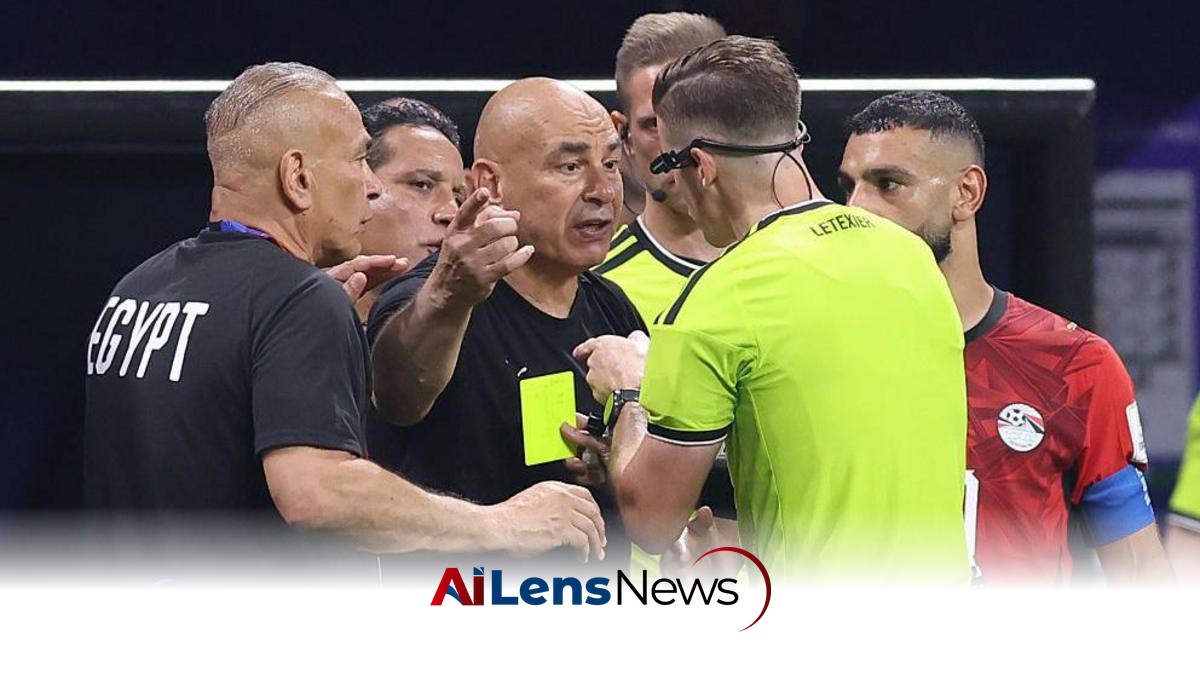


The Egyptian FA demands an investigation into officiating after their controversial defeat to Argentina in the World Cup.
New Delhi, India Jul 8, 2026 ALN: The Egyptian Association (EFA) has formally requested that FIFA remove the officials responsible for their World Cup last-16 defeat against Argentina.
This request comes in the wake of a controversial match held in Atlanta, where the EFA lodged a complaint with FIFA, seeking an investigation into what they describe as "double standards" in officiating. The implications of such a complaint are significant not only for the teams involved but also for the integrity of the tournament itself. The World Cup, held every four years, is the pinnacle of international , and officiating decisions can have far-reaching consequences for teams and nations.
In the match, Egypt took the lead with a goal by Mostafa Zico, only for it to be disallowed after a Video Assistant Referee (VAR) decision determined that midfielder Marwan Attia had committed a foul by stepping on Lisandro Martinez's foot at the start of the play. This decision sparked outrage among Egyptian players and officials, who felt that the ruling was unjust and detrimental to their chances of progressing in the tournament. The use of VAR has been a topic of heated debate since its introduction, as it aims to provide clarity and fairness but can also lead to contentious decisions that affect the outcome of matches.
Moreover, the situation escalated when Egypt believed that their star player, Mohamed Salah, was fouled in the Argentina penalty area just moments before the reigning champions scored a stoppage-time winner, sealing a 3-2 victory. The timing of these decisions and the perceived inconsistency in officiating have led to widespread accusations of bias against the Egyptian national team. Such accusations are not new in the world of s; however, the stakes are particularly high in a tournament like the World Cup, where every match can determine a nation's ing legacy.
Hany Abou Rida, president of the Egyptian federation, has taken a strong stance by filing an official complaint with FIFA, demanding a thorough investigation into the actions of French referee Francois Letexier. The EFA's statement emphasized that serious officiating mistakes contributed directly to Egypt's elimination from the tournament. This complaint underscores a growing concern among nations about the reliability and fairness of officiating in high-stakes matches, especially as the technology and protocols surrounding officiating evolve.
The EFA has called for a comprehensive investigation into not just the referee but also the entire officiating crew and the VAR officials involved in the match. They have cited "blatant errors" and a refusal to review certain footage as reasons for their dissatisfaction. The demand for the exclusion of the referee and the officiating team from the World Cup is unprecedented and reflects the seriousness with which the EFA views the situation. They argue that these decisions not only affected the outcome of the match but also exemplified discrimination against the Egyptian national team. Such claims raise important questions about the accountability of referees and the systems in place to ensure fair play.
Historically, Egypt has faced challenges in the World Cup, never having progressed beyond the quarter-finals. This statistic adds weight to the EFA's claims of injustice, as the nation has long sought to establish itself as a competitive force on the world stage. The emotional and financial investment in the national team makes the stakes even higher for players, coaches, and fans alike. The World Cup is not just a ing event; it is a source of national pride and identity for many countries, and for Egypt, the quest for success on this stage has been a long and arduous journey.
Argentina's captain, Lionel Messi, played a pivotal role in the match, assisting their first goal in the 79th minute and scoring the equalizer in the 83rd minute. His performance has been viewed as critical not only for Argentina's success but also for the narrative surrounding his potential final World Cup. The focus on Messi's legacy adds an additional layer of complexity to the EFA's complaints, as there is a perception that the tournament may favor established stars like Messi over underdog teams like Egypt. This dynamic can create an atmosphere where officiating decisions are scrutinized even more heavily, as fans and analysts look for evidence of bias.
Following the match, Egypt's manager, Hossam Hassan, expressed that the team had been "treated unfairly" and had "suffered injustice." His comments reflect a broader sentiment among the team and its supporters that the officiating decisions were not only detrimental but also indicative of a systemic bias that can occur in international tournaments. The manager's assertion that officials may have wanted to keep the world champions in the competition to allow Messi to continue his run resonates with fans who feel that the integrity of the tournament is at stake. Such statements highlight the emotional toll that controversial officiating can have on players and coaching staff, who invest their lives into the .
Mostafa Zico, the player whose disallowed goal was a key moment in the match, also voiced his frustrations. He stated, "The referee was really unfair. The injustice was clear. There's been an unfairness right from the start of the match. It is clear that this tournament has been fixed." Such strong allegations suggest a deep frustration not only with the specific match but with the broader context of officiating in the tournament. The use of the word "fixed" is particularly alarming, as it implies a level of corruption or manipulation that could undermine the very foundation of competitive s.
Argentina is set to face Switzerland in Kansas City on Saturday, a match that will undoubtedly attract significant attention given the controversies surrounding their previous encounter with Egypt. The fallout from the match may influence how future matches are officiated, as FIFA grapples with the implications of the EFA's complaint and the potential need for reform in officiating practices. As the tournament progresses, the scrutiny on referees and officiating standards may intensify, leading to discussions about how to improve the overall quality of officiating in international competitions.
FIFA has been contacted for comment regarding the EFA's allegations, but as of now, no official response has been provided. The governing body of international is under pressure to address these claims, as they raise fundamental questions about fairness, bias, and the integrity of the World Cup—a tournament that is supposed to showcase the best of international . As the governing body, FIFA's response will be closely monitored, and how they choose to handle this situation could have lasting implications for their relationship with national federations and the trust of fans worldwide.
The fallout from this situation may extend beyond just this tournament, potentially influencing how FIFA approaches officiating in future competitions. The integrity of s is paramount, and as such, the EFA's complaints may serve as a catalyst for discussions on how to improve officiating standards, better utilize technology like VAR, and ensure that all teams are treated equitably in high-stakes matches. The conversation surrounding officiating is not new, but the high-profile nature of this complaint may bring renewed focus to the issues at hand.
As the World Cup continues, the implications of the EFA's complaint will likely be felt both on and off the pitch. The outcome of the investigation, if one is conducted, could set a precedent for how similar allegations are handled in the future and may impact the relationship between national federations and FIFA in the long run. The stakes are high, and the world will be watching closely as the situation develops, hoping for a resolution that upholds the principles of fair play and smanship that are essential to the spirit of the game.
To learn more about the latest developments in Football (Soccer), stay updated with our exclusive reports and analyses on AiLensNews.

