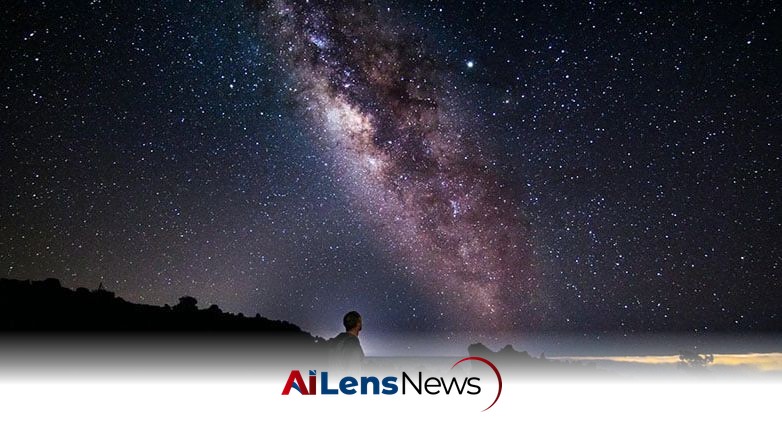


From August 8 to 15, the Perseids meteor shower will peak, offering the best stargazing opportunity of the year, especially in the UAE.
Abu Dhabi, United Arab Emirates Jul 25, 2026 ALN: August 8 to 15 will be the best week of the year for stargazing
If you’ve been waiting for the perfect excuse to escape the city lights, this is it. The Perseids meteor shower is one of the most anticipated astronomical events of the year, and this year, it promises to be particularly spectacular. From August 8 to 15, the Perseids will reach their peak activity, offering skywatchers an extraordinary opportunity to witness one of nature's most beautiful displays.
The Perseids meteor shower occurs annually and is associated with the comet Swift-Tuttle, which takes approximately 133 years to complete one orbit around the Sun. As the Earth passes through the debris left behind by this comet, tiny particles enter our atmosphere at high speeds, burning up and creating the dazzling streaks of light that we see as meteors. The shower was first documented in 36 A.D. and has been a subject of fascination for astronomers and casual skywatchers alike for centuries.
During the peak of the Perseids, observers can expect to see between 10 and over 50 shooting stars per hour, depending on local viewing conditions. The meteor shower is known for its bright meteors, which are often accompanied by trails of light that linger for several seconds, making them particularly striking to witness. The Perseids are unique in that they often produce fireballs, which are larger and brighter than typical meteors, providing an even more spectacular show for those lucky enough to observe them.
What makes this year's Perseids even more special is the timing of the moon phases. The meteor shower coincides with very little moonlight, which means the night sky will be darker than usual. Darker skies enhance visibility, significantly increasing the chances of spotting meteors streaking across the heavens. This combination of peak meteor activity and optimal viewing conditions is a rare treat for stargazers. The absence of moonlight allows for a clearer view of the night sky, making it easier to spot not only the meteors but also other celestial phenomena, such as planets and constellations.
August is also widely regarded as one of the best months for astrophotography in the United Arab Emirates (UAE), thanks to the clear summer skies. According to local adventure group Arabian Wanderers, the dry desert air and minimal light pollution create ideal conditions for capturing stunning images of the night sky. This makes the Perseids a perfect opportunity for photography enthusiasts to hone their skills while enjoying a breathtaking natural spectacle. The clear skies during this time of year allow for crisp, clear images of the stars and meteors, making it an ideal time for both amateur and professional photographers to venture out.
The key to seeing the Perseids is getting as far away from city lights as possible. Fortunately, the UAE boasts a variety of dark sky locations that are perfect for an evening under the stars. From the rugged mountains of Hatta to the serene deserts of Liwa, there are numerous spots where you can escape the urban glow and immerse yourself in the beauty of the cosmos. Other notable locations include the Al Marmoom Desert Conservation Reserve and the Dubai Desert Conservation Reserve, both of which offer vast expanses of dark skies ideal for meteor watching.
For those looking to maximize their stargazing experience, our guide to the best stargazing spots in the UAE includes mountain viewpoints, desert escapes, and peaceful locations where you can enjoy the night sky. These locations are not only ideal for meteor watching but also provide a chance to observe other celestial phenomena, such as planets and constellations. Many of these spots are accessible by car, making them convenient for families and groups looking to spend an evening under the stars.
Whether you’re planning a late-night road trip or a weekend camping adventure, now is the perfect time to go. The anticipation of the Perseids meteor shower can add an element of excitement to any outdoor excursion, making it a memorable experience for families, friends, and solo adventurers alike. Camping under the stars not only allows for a closer connection to nature but also provides an opportunity to engage in activities such as storytelling, making s'mores, and enjoying the tranquility of the night.
If you’d rather have an expert point out planets and help you identify constellations, there are several groups that regularly host guided astronomy experiences. These programs often include telescope viewings, educational talks, and tips for amateur astronomers, making them an excellent choice for both beginners and seasoned skywatchers. Guided experiences can enhance the enjoyment of the meteor shower by providing context and knowledge about what you are observing.
Some of the most popular groups in the UAE include:
As the date of the meteor shower approaches, it is advisable to keep an eye on the social channels and websites of these organizations for any special events or gatherings planned for the Perseids meteor shower in August. Participating in a guided experience can provide valuable knowledge and enhance the overall enjoyment of the celestial event. Many of these organizations also offer resources and materials for those interested in learning more about astronomy, making it a great opportunity to deepen your understanding of the cosmos.
To make the most of your stargazing experience during the Perseids meteor shower, here are some helpful tips:
In conclusion, the Perseids meteor shower presents a unique opportunity for stargazers in the UAE to connect with nature and the cosmos. By planning ahead, choosing the right location, and following these tips, you can enhance your stargazing experience and create lasting memories under the night sky. Whether you are a seasoned astronomer or a novice looking to experience the wonder of the universe, the Perseids offer a captivating glimpse into the beauty and mystery of our celestial surroundings. This annual event not only serves as a reminder of the vastness of the universe but also encourages individuals to step outside, appreciate the natural world, and foster a sense of community among those who share a passion for astronomy.
To learn more about the latest developments in Environment & Climate, stay updated with our exclusive reports and analyses on AiLensNews.

