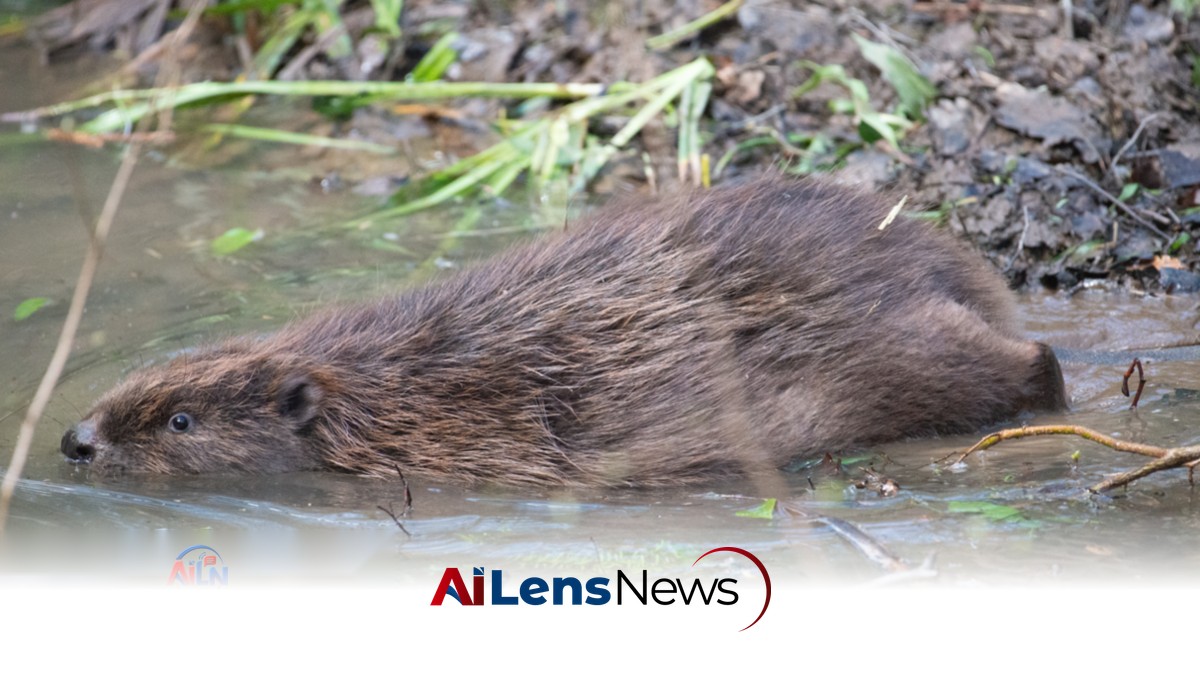


Three new beaver kits have been born in Worcestershire's Wyre Forest, adding to a conservation effort aimed at reintroducing the species to the wild.
New Delhi, India Jul 2, 2026 ALN: Three beaver kits have been born as part of a conservation programme.
A family of two adults and four kits were originally moved into a five-hectare woodland enclosure in Worcestershire's Wyre Forest in April 2024, in a programme to reintroduce the species to the wild. The initiative is part of a broader effort to restore the beaver population in the UK, as these animals play a crucial role in maintaining healthy ecosystems.
The beavers are said to be thriving and have since added to their brood, with three more kits being born there within the past month. This is significant as beavers were once native to the British Isles but were hunted to near extinction by the 16th century due to overhunting and habitat destruction. Their reintroduction is not only a step towards restoring biodiversity but also a move to mitigate al issues such as flooding and habitat degradation.
Forestry England's Richard Boles said they initially thought the female beaver had given birth to only one kit, before video footage revealed there were two more. This initial misjudgment highlights the challenges in monitoring wildlife, especially for species that are nocturnal and naturally shy. The presence of cameras in the enclosure has been instrumental in observing the beavers' behavior and confirming the number of kits born.
Boles explained that the beavers had not had a chance to breed in the first year, as females tend to be only sexually receptive for one day each year, typically in January. This limited breeding window can pose challenges for conservation efforts, but it also emphasizes the importance of careful monitoring and management of the population.
"This year, even though there's a lot of water because we've got some substantial dams here, they've managed to breed so we were quite excited when we first saw that the female was pregnant," Boles said. "That was the first exciting bit of news." This excitement reflects the hopes of conservationists who are working to ensure the success of the reintroduction programme.
The animals are nocturnal and naturally shy, so are rarely seen in action, with cameras installed at the enclosure the only way to capture activity. This aspect of their behavior presents a challenge for researchers and conservationists who seek to understand their habits and needs in a controlled .
Boles said they were sad when they only spotted one kit, but were "ecstatic" after footage of the other two eventually emerged. The use of technology in wildlife observation has become increasingly important, allowing researchers to gather data without disturbing the animals. "We saw another video clip and this one was the one of the adult beavers swimming across the little pond here with three kits in tow," Boles said. "So yeah... really ecstatic about that, so very happy." Such moments of discovery are vital for building a deeper understanding of beaver social structures and family dynamics.
Eleanor Nash, community ranger at Forestry England, said beaver kits are nursed for about two to three months. During this period, they are looked after by the whole family, indicating a strong social structure among beavers. "Their older siblings will help to look after them as well and it's quite common for beaver groups to stay in their families for quite a long time," she explained. This familial care not only enhances the survival rates of the young kits but also strengthens the bonds within the group.
Now a protected species, beavers have been recognized for their ecological significance. They are known as ecosystem engineers because of their ability to alter landscapes through dam building, which creates wetlands that support diverse wildlife. The reintroduction of beavers to ecosystems where they once thrived can lead to improved water quality, increased biodiversity, and enhanced flood management. Their dams help to slow down water flow, which can mitigate the impact of heavy rainfall and reduce the risk of flooding downstream.
A nationwide scheme to reintroduce the animals is being run by Forestry England, in collaboration with Natural England and the Beaver Trust. This partnership underscores the importance of coordinated conservation efforts that bring together various stakeholders, including government agencies, non-profits, and local communities. The success of such initiatives relies on public support and understanding of the ecological benefits that beavers provide.
The animals in the Wyre Forest have built many dams that help to reduce flooding since moving into the enclosure, including one stretching 30 metres. "We've now got probably about eight to 10 smaller dams that have been built," Boles added. "Some of them are really quite small and dinky if you like, so they might be some of the younger beavers that have been doing that." The construction of these dams is a clear indication of the beavers adapting to their new and fulfilling their role as nature's engineers.
Forestry England said the enclosure had been designed to support the family of beavers as it grew, providing ample space, water, and woodland resources. This thoughtful design is crucial for the long-term success of the reintroduction programme, as it allows the beavers to thrive in a setting that mimics their natural habitat. A well-planned enclosure can help reduce stress on the animals and promote healthy behaviors.
A spokesperson added that as the kits mature in the future, they might also be rehomed to other suitable sites to avoid territorial conflict within the enclosure. This aspect of the conservation plan highlights the need for ongoing management and monitoring of the beaver population to ensure that they can coexist peacefully and sustainably within their . Such measures are essential for maintaining the ecological balance and preventing overpopulation in confined areas.
The birth of the three beaver kits in Wyre Forest is a promising development in the ongoing efforts to restore beaver populations in the UK. As these animals continue to thrive, they not only contribute to the ecological health of their but also serve as a symbol of successful conservation efforts that can inspire similar initiatives worldwide. The work being done in Wyre Forest is a testament to the power of collaborative conservation and the importance of protecting our natural heritage for future generations.
To learn more about the latest developments in Environment & Climate, stay updated with our exclusive reports and analyses on AiLensNews.

