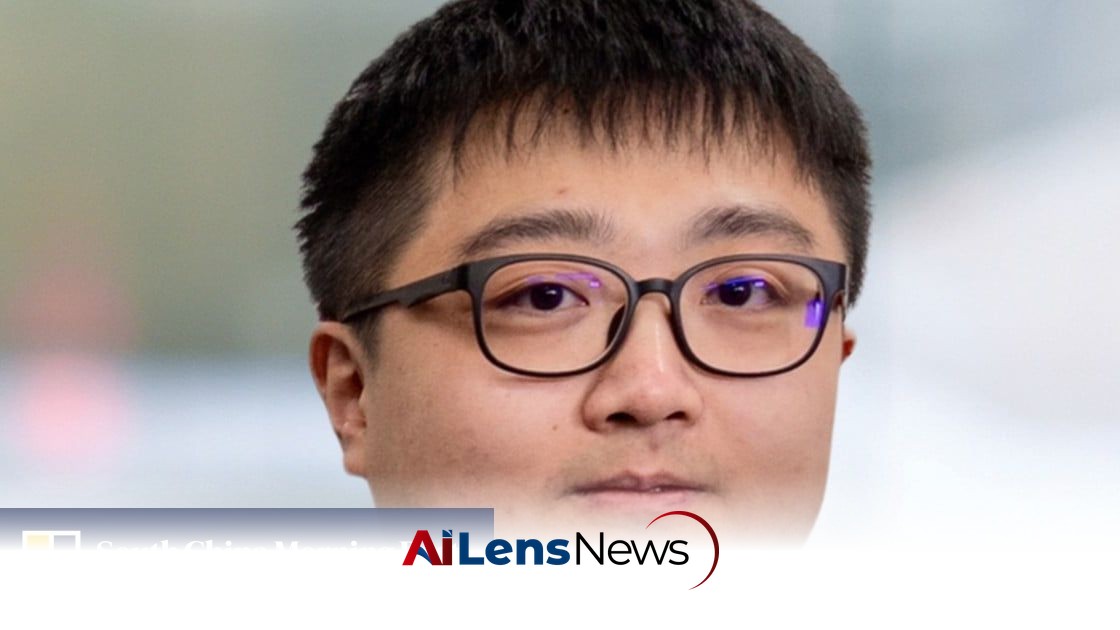


Promising researcher’s family and friends still await police report, which could provide critical details about events leading to his death.
London, United Kingdom Jul 12, 2026 ALN: The tragic death of Wang Danhao, a 31-year-old Chinese researcher at the University of Michigan, has sparked discussions about the pressures faced by international scholars in the United States, particularly in fields related to technology and research. Wang's life came to an abrupt end following a series of events that reportedly involved questioning by U.S. law enforcement. His ashes were returned to his home in China nearly four months after his death, a poignant reminder of a life cut short and the emotional toll on his family.
Wang was remembered by his colleagues as an exceptionally talented and dedicated researcher, known for his contributions to the field of semiconductor materials. His work at the University of Michigan, particularly in the lab of Professor Zetian Mi, focused on developing advanced materials that could lead to more efficient electronics and innovative light-based technologies. These advancements are crucial in today's fast-paced technological landscape, where the demand for efficient electronic devices continues to grow. As technology evolves, the role of semiconductors becomes increasingly vital, impacting everything from consumer electronics to renewable energy solutions.
Before his untimely death, Wang had secured a faculty position at the University of Science and Technology of China in Hefei, where he had previously studied. This position was a significant milestone in his career, indicating a promising future ahead. Wang had planned to return to China in May 2023 to commence his new role, marking a new chapter in his life. However, the circumstances leading up to his death have raised serious concerns about the pressures faced by international researchers, particularly those from China, in the U.S. academic system. The academic environment can be highly competitive, and for international scholars, the challenges can be compounded by cultural differences and the pressures of adapting to a new system.
According to reports, Wang had been subjected to questioning by U.S. law enforcement prior to his death. While the details surrounding this questioning remain unclear, it is not uncommon for researchers, especially those from certain countries, to face increased scrutiny due to national security concerns. This scrutiny can create an atmosphere of anxiety and fear, impacting the mental health and well-being of researchers who may feel under constant surveillance. Wang’s situation underscores the broader implications of such scrutiny, particularly as it relates to the retention of talent in the U.S. academic landscape. The fear of being targeted can deter talented individuals from pursuing opportunities in the United States, ultimately affecting the innovation ecosystem that relies on diverse perspectives and expertise.
The emotional impact of Wang's death has been profound, particularly for his mother, who raised him as a single parent, and his fiancée, with whom he had planned to marry in the summer of 2023 in China. The grief experienced by his family is compounded by the circumstances of his death and the abrupt end to his promising career. The return of his ashes to China serves as a stark reminder of the personal losses that can occur amidst the pressures of academic life and the geopolitical tensions that can affect individual lives. This tragedy not only highlights the personal toll on families but also reflects the broader societal implications of how individual lives can be caught in the crossfire of international relations.
Wang's contributions to semiconductor research were significant, and his work had garnered attention within the academic community. His research was featured on the University of Michigan's website, highlighting the importance of his work in advancing technology. The field of semiconductor research is critical not only for technological advancements but also for economic growth and innovation. As countries compete for leadership in technology, the implications of losing talented researchers like Wang are far-reaching, affecting both the U.S. and China. The loss of such talent can hinder progress in critical areas such as artificial intelligence, quantum computing, and renewable energy technologies, which are essential for future advancements.
The case of Wang Danhao raises important questions about the treatment of international scholars in the U.S. and the support systems available to them. Many international researchers face unique challenges, including cultural adjustments, language barriers, and the pressures of academic expectations. The added layer of scrutiny from law enforcement can exacerbate these challenges, leading to increased stress and anxiety. Institutions must prioritize mental health resources and create environments where international scholars feel safe and supported. This includes not only providing access to mental health services but also fostering a culture of openness and understanding that acknowledges the diverse backgrounds and experiences of international researchers.
In the wake of Wang's death, there is a growing call for universities to reassess their policies and practices regarding international researchers. This includes providing better mental health support, fostering a more inclusive environment, and ensuring that researchers are not subjected to undue stress from external pressures. The academic community must also engage in conversations about the ethical implications of national security measures that impact individual lives and careers. It is essential for universities to advocate for their scholars and to ensure that the academic pursuit of knowledge is not overshadowed by fear and anxiety stemming from geopolitical tensions.
As Wang's family mourns his loss, the academic community reflects on the broader implications of his death. The pressures faced by researchers in high-stakes environments can have devastating consequences, and it is imperative that steps are taken to protect the well-being of all scholars. Wang Danhao's legacy should serve as a catalyst for change, prompting discussions about the treatment of international researchers and the need for supportive academic environments that prioritize mental health and well-being. The academic community must recognize that the well-being of its members is paramount to fostering innovation and progress.
Ultimately, Wang's story is not just about the loss of a talented researcher; it is also a reminder of the human cost of academic and geopolitical pressures. As the global landscape continues to evolve, it is crucial that the academic community remains vigilant in addressing the challenges faced by international scholars and works towards creating a more equitable and supportive environment for all researchers. By advocating for better support systems and fostering an inclusive atmosphere, the academic community can honor Wang's memory and ensure that the next generation of scholars can pursue their passions without the fear of undue scrutiny or pressure.
To learn more about the latest developments in Research & Discoveries, stay updated with our exclusive reports and analyses on AiLensNews.

