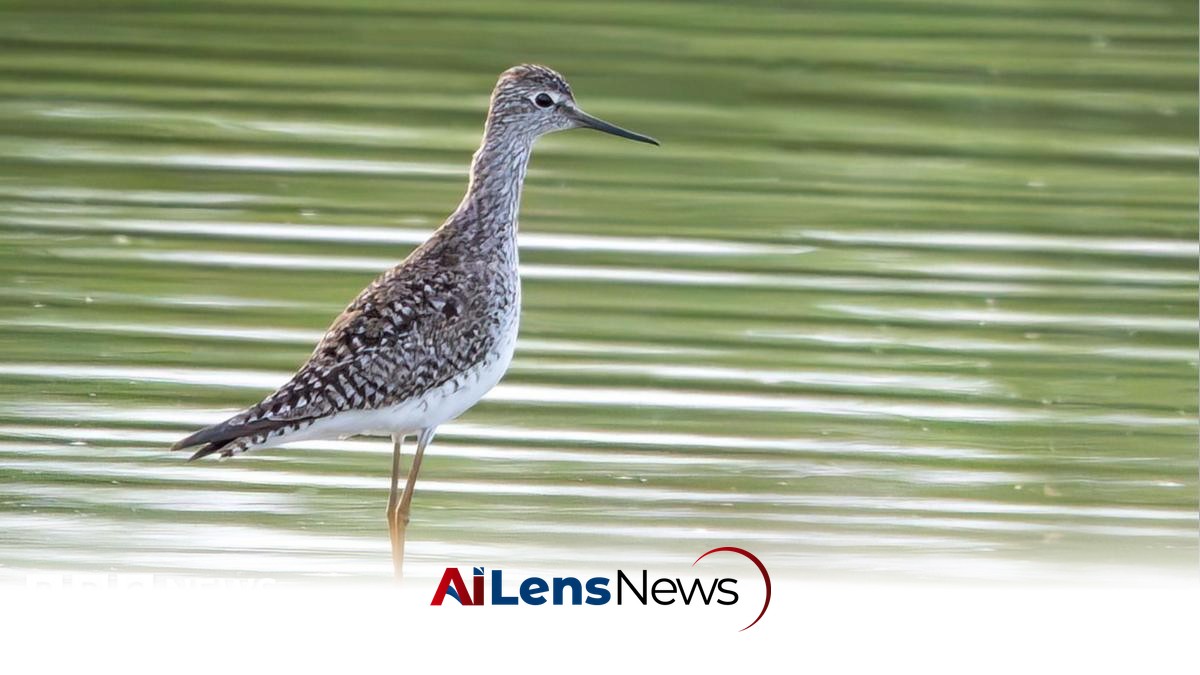


Birdwatchers observed the lesser yellowlegs in Jersey, marking a significant sighting for the island.
New Delhi, India Jul 3, 2026 ALN: A North American wading bird has been spotted in Jersey for the first time.
The lesser yellowlegs was seen on Monday at The Scrape at St Ouen's Pond by members of Jersey Birds. Mick Dryden, from the group, expressed that it was "special" to see the bird.
Birdwatcher Tony Paintin described the lesser yellowlegs as "quite a striking bird, about the size of a greenshank with very long yellow legs." He noted that the bird was feeding on the pond around 09:00 BST when he observed it, adding that it "only stayed a day" on the island. Jersey Birds confirmed that this was the first confirmed record of the species for the island.
Dryden mentioned that the bird's visit was fleeting, prompting the team to check records to see if it had visited Jersey previously. The lesser yellowlegs has been spotted in Guernsey before, highlighting the potential for other rare species to appear in the Channel Islands.
The British Trust for Ornithology (BTO) reported that there are only a handful of sightings of this "slender and graceful" bird in the UK, primarily occurring from August to October. This seasonal pattern aligns with the bird's migratory behavior, as it typically travels south during the autumn months to escape the harsh winters of its breeding grounds in North America.
The lesser yellowlegs (Tringa flavipes) is a small to medium-sized wading bird that is part of the sandpiper family, Scolopacidae. This species is native to North America, where it breeds in the northern regions of Canada and the northern United States. During the winter months, lesser yellowlegs migrate south to coastal areas of the United States and Central America. Their striking appearance, characterized by long yellow legs and a slender body, makes them a notable sight for birdwatchers.
The sighting of the lesser yellowlegs in Jersey is significant for several reasons. First, it highlights the increasing occurrence of North American bird species in Europe, a phenomenon that has been observed in recent years. Climate change, habitat loss, and changes in migratory patterns may contribute to these unusual sightings as birds adapt to shifting ecological conditions. As global temperatures rise and weather patterns become more unpredictable, species like the lesser yellowlegs may find themselves venturing farther afield in search of suitable habitats.
Bird migration is a complex behavior influenced by a variety of factors, including food availability, weather patterns, and breeding cycles. The lesser yellowlegs typically migrates along the eastern side of North America, following the Atlantic Flyway, a major migratory route for many bird species. However, occasional individuals may stray far from their normal migratory routes, leading to sightings in unexpected locations such as Jersey. This straying behavior can be attributed to various factors, including al changes and the search for food, which can lead to fascinating discoveries for birdwatchers.
In the UK, the lesser yellowlegs is considered a rare visitor. The British Trust for Ornithology (BTO) tracks bird sightings and migration patterns, providing valuable data for researchers and conservationists. The rarity of the species in the UK can be attributed to several factors, including habitat preferences and competition with other wading birds. The BTO's records indicate that the majority of lesser yellowlegs sightings in the UK occur during the autumn months, particularly from August to October, as birds migrate south to their wintering grounds. This data is crucial for understanding the distribution and population dynamics of the species.
The sighting of this bird in Jersey not only excites local birdwatchers but also contributes to the understanding of the bird's migratory patterns and presence in the region. Birdwatching has become an increasingly popular activity in recent years, with many enthusiasts eager to observe rare species. The presence of organizations like Jersey Birds plays a crucial role in fostering interest in ornithology and promoting conservation efforts. These organizations often organize events and workshops that encourage community participation and education about local wildlife.
Conservation of bird species is essential, particularly in light of global al changes. Many bird populations are declining due to habitat destruction, climate change, and pollution. The sighting of rare species like the lesser yellowlegs can serve as a reminder of the importance of protecting natural habitats and supporting conservation initiatives. Local birdwatching groups often engage in activities such as habitat restoration, public education, and advocacy for wildlife protection. Such efforts are vital in ensuring that future generations can enjoy the rich biodiversity of their regions.
The lesser yellowlegs is known for its distinctive foraging behavior. It typically feeds on small invertebrates, including insects, crustaceans, and worms, which it finds in shallow water or mudflats. This feeding behavior is not only fascinating to observe but also highlights the ecological role that wading birds play in their habitats. They help maintain the balance of ecosystems by controlling invertebrate populations and serving as indicators of al health. The presence of healthy wading bird populations often reflects the overall state of wetlands and coastal ecosystems.
As the birding community in Jersey reflects on this remarkable sighting, it is an opportunity to engage the public in discussions about local biodiversity and the importance of conservation. Educational programs and community events can help raise awareness about the challenges facing migratory birds and the need for collective action to protect their habitats. By fostering a culture of conservation and appreciation for nature, communities can play a pivotal role in safeguarding avian species and their s.
In conclusion, the sighting of the lesser yellowlegs in Jersey is a significant event for both local birdwatchers and the scientific community. It serves as a reminder of the dynamic nature of bird migration and the importance of ongoing research and conservation efforts. As more people become interested in birdwatching and nature conservation, there is hope for the future of avian species and the ecosystems they inhabit. The enthusiasm generated by such sightings can inspire individuals to take action, whether through supporting conservation organizations, participating in citizen projects, or advocating for al policies that protect wildlife and their habitats.
To learn more about the latest developments in Biology & Life Sciences, stay updated with our exclusive reports and analyses on AiLensNews.

