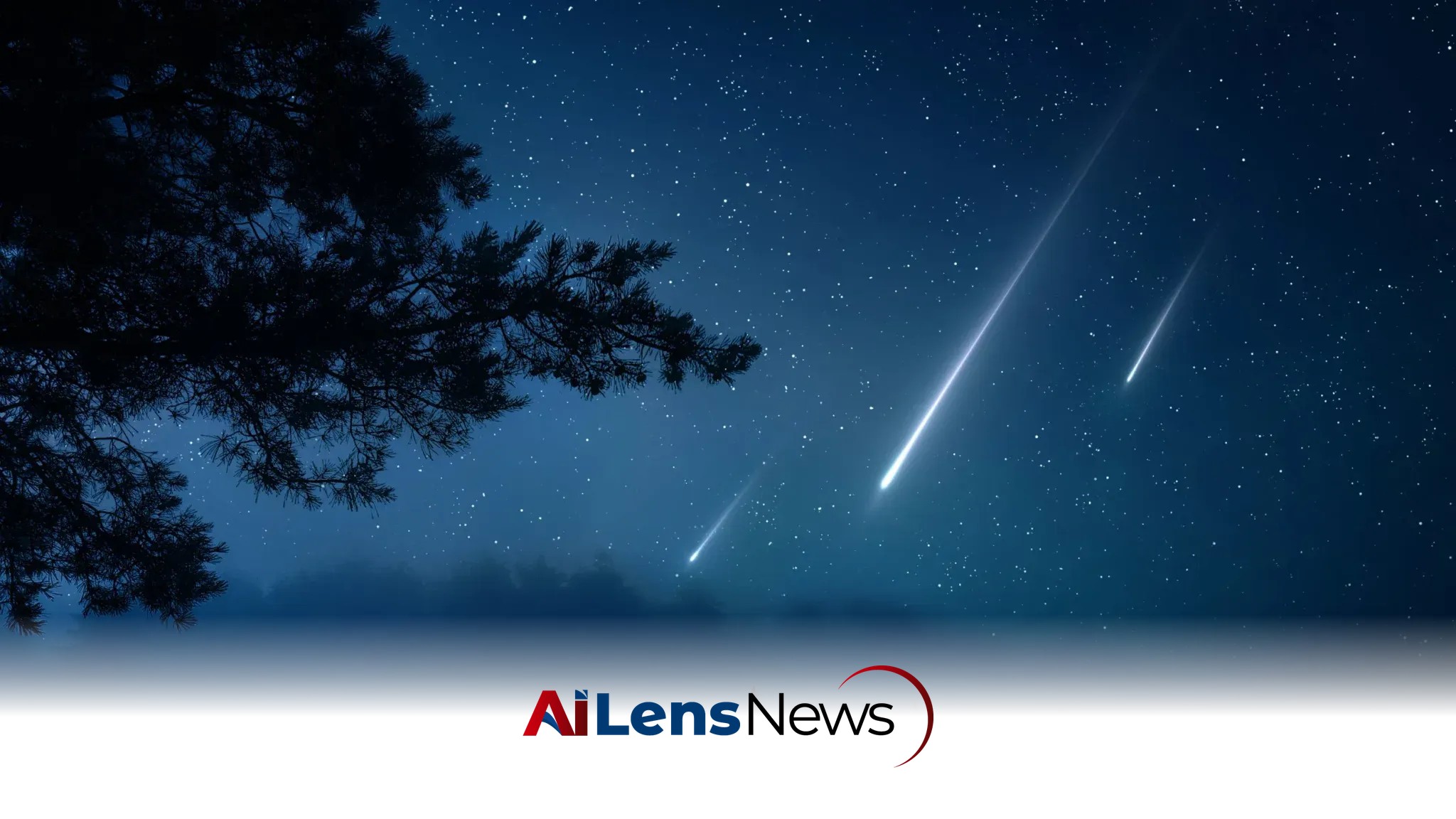


Witness the Delta Aquariid meteor shower peaking over Qatar on July 29-30, with optimal viewing conditions expected from midnight to dawn.
Doha, Qatar Jul 29, 2026 ALN: Residents of Qatar are in for a celestial treat as the Delta Aquariid meteor shower will be visible from Wednesday evening, July 29, until the early hours of Thursday morning. This annual event is a highlight for astronomy enthusiasts and casual sky-watchers alike, drawing attention to the wonders of the night sky. The Delta Aquariid meteor shower is part of a larger group of meteor showers that occur throughout the year, each with its own unique characteristics and peak viewing times. The Delta Aquariids are particularly notable because they are one of the first meteor showers to occur in the summer months.
According to the Qatar Calendar House, this meteor shower reaches its peak around July 29 and 30, with the potential to produce approximately 20 meteors per hour under ideal viewing conditions. The Delta Aquariids are known for their relatively long duration, typically active from mid-July to late August, allowing for multiple nights of viewing opportunities. This extended period is a result of the Earth passing through a stream of debris left by the comet 96P/Machholz, which has a relatively short orbital period of about 5.4 years. As the Earth travels along its orbit, it encounters the remnants of this comet, leading to the spectacular display of meteors.
For optimal viewing, the best time to observe the meteor shower will be from midnight until dawn. During this period, the skies are typically darker, and the number of visible meteors tends to increase. Enthusiasts are advised to find a dark location away from residential areas and sources of light pollution, directing their gaze towards the south-eastern horizon. Light pollution, which is caused by artificial lighting from urban areas, can significantly hinder the visibility of celestial events, making it essential for observers to seek out darker locations. In Qatar, the desert areas, away from city lights, can provide excellent vantage points for meteor watching.
The meteor shower can be viewed with the naked eye, eliminating the need for telescopes or other astronomical equipment. This accessibility makes the Delta Aquariid meteor shower an excellent opportunity for families and individuals who may not have prior experience with astronomy. Those interested in capturing the event photographically can utilize a digital camera with a longer exposure time, allowing them to record the fleeting meteors as they streak across the sky. Photographers are encouraged to use a wide-angle lens and a sturdy tripod to ensure stability during long exposure shots.
International meteor organizations note that the Southern Delta Aquariids are typically best viewed from southern latitudes. Observed rates north of the equator may be considerably lower than the ideal hourly rate due to the geographical positioning of the radiant point, which is located near the star Delta Aquarii in the constellation Aquarius. This means that while observers in Qatar may have a good chance of seeing these meteors, those located further north may not experience the same level of activity. Additionally, visibility in 2026 is expected to be significantly affected by bright moonlight, with the moon approximately 98 percent full around the peak, which could wash out fainter meteors and reduce the overall viewing experience. Observers are advised to plan their viewing times accordingly, taking into account the moon phases and weather conditions.
The Delta Aquariid meteor shower derives its name from its radiant point, which is positioned near the star Delta Aquarii in the constellation Aquarius. The name 'Aquarius' comes from Latin, meaning 'water-bearer,' and the constellation has been associated with water throughout various cultures and mythologies. The meteors themselves occur when small particles left behind by comets enter Earth’s atmosphere and burn up, creating brief streaks of light across the sky. These particles are often remnants from the comet 96P/Machholz, which orbits the sun every 5.4 years, leaving a trail of debris that Earth passes through during its orbit.
The science behind meteor showers is fascinating and involves several astronomical concepts. As Earth travels along its orbit around the sun, it periodically crosses paths with the debris trails left by comets and asteroids. When these tiny particles, which can be as small as a grain of sand, collide with our atmosphere at high speeds—often over 100,000 miles per hour—they create friction and heat, resulting in the bright flashes we see as meteors. This process is a natural spectacle that has been observed for centuries, inspiring awe and curiosity among people around the world. The study of meteor showers also contributes to our understanding of the solar system and the materials that make up comets and asteroids.
For those planning to watch the meteor shower, ensure to prepare adequately for a night under the stars. This could include bringing along comfortable seating, warm clothing, and perhaps some refreshments to enhance the experience. It is also advisable to check the weather forecast in advance, as cloudy skies can obstruct visibility and diminish the overall experience. Additionally, it can be helpful to arrive at the viewing location early to allow the eyes to adjust to the darkness, which can take around 20 minutes. This adjustment period is crucial for spotting the fainter meteors that may appear. Observers are encouraged to lie back and relax, allowing the vastness of the night sky to envelop them while they wait for the meteors to appear.
In conclusion, the Delta Aquariid meteor shower presents a unique opportunity for residents of Qatar to engage with the night sky and experience a natural phenomenon that has captivated humanity throughout history. Whether one is an avid astronomer or a casual observer, this event serves as a reminder of the beauty and mystery of the universe. As the meteor shower approaches, excitement builds among the community, fostering a sense of connection to the cosmos and encouraging a shared experience of wonder and exploration. Such events not only promote interest in astronomy but also encourage social gatherings, where families and friends can come together to share in the awe of the universe's natural displays. The Delta Aquariid meteor shower thus stands not only as a spectacle of nature but also as a catalyst for community bonding and exploration.
To learn more about the latest developments in Environment & Climate, stay updated with our exclusive reports and analyses on AiLensNews.

