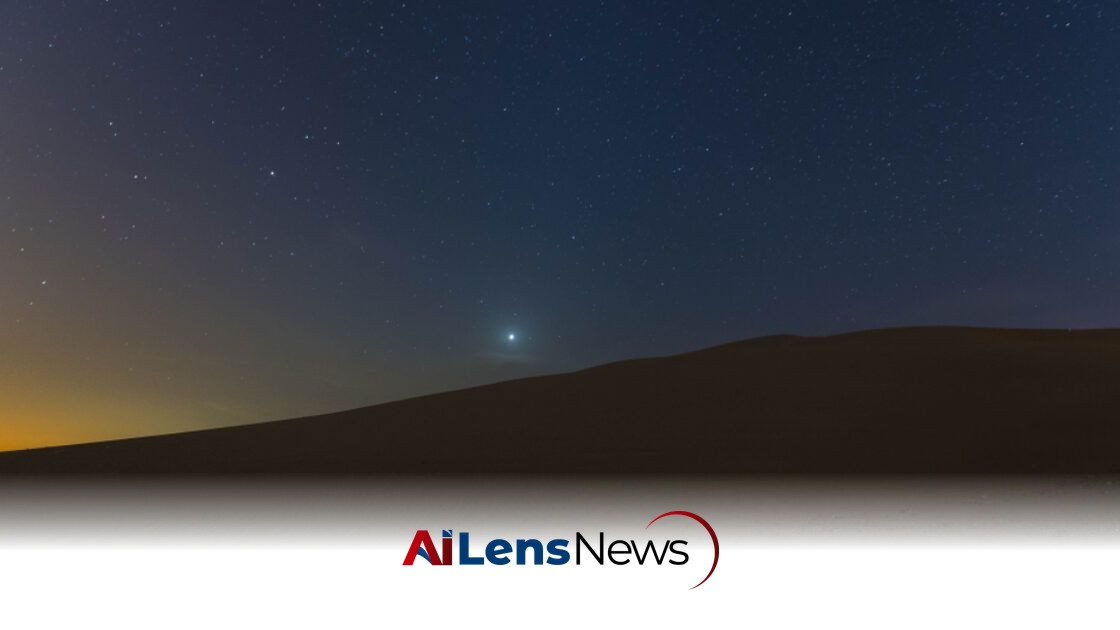


The Delta Aquariid meteor shower will peak in Qatar on July 29, 2026, offering a spectacular view of up to 20 meteors per hour after midnight.
Doha, Qatar Jul 29, 2026 ALN: The Delta Aquariid meteor shower is an annual celestial event that captivates stargazers and astronomy enthusiasts around the world. Scheduled to grace the skies of Qatar on Wednesday, July 29, 2026, this meteor shower is anticipated to provide a spectacular display for residents and visitors alike. The Qatar Calendar House, an organization dedicated to astronomical events and celestial observations, has been instrumental in informing the public about such occurrences, enhancing the community's engagement with astronomy.
The Delta Aquariid meteor shower occurs each year from mid-July to August 23, with its peak activity typically observed around July 29 and 30. During this peak, observers can expect to see approximately 20 meteors per hour under optimal viewing conditions. This meteor shower is particularly interesting due to its origins; it is believed to be associated with the debris left by the comet 96P/Machholz, which orbits the Sun every five years. As the Earth passes through this debris field, the small particles enter the atmosphere at high speeds, creating the bright streaks of light we see as meteors.
The name "Delta Aquariid" is derived from the constellation Aquarius, from which the meteors appear to emanate. This constellation, prominent in the summer sky, is located in the southern celestial hemisphere. The radiant point of the Delta Aquariids is located near the star Delta Aquarii, which is a bright star in the constellation. Understanding the origins of the meteor shower enhances the appreciation of this natural phenomenon, as it connects celestial events with specific astronomical bodies.
For optimal viewing of the Delta Aquariid meteor shower, the American Meteor Society recommends that observers find a location away from city lights and pollution, where the sky is dark and clear. The best time to view the meteors is typically after midnight, when the sky is at its darkest and the radiant point is higher in the sky. Observers should lie back, relax, and give their eyes time to adjust to the darkness, allowing them to spot the meteors as they streak across the sky.
This meteor shower is particularly significant for Qatar, as it provides an opportunity for both amateur and experienced astronomers to engage with the night sky. The clear skies of Qatar, especially in the summer months, offer ideal conditions for stargazing. Events like the Delta Aquariid meteor shower not only promote interest in astronomy but also foster a sense of community among those who gather to witness these celestial displays.
Moreover, the Delta Aquariid meteor shower serves as a reminder of the vastness of our universe and the dynamic processes occurring within it. Meteor showers are a result of the interaction between our planet and the remnants of comets and asteroids, highlighting the importance of studying these celestial bodies. Understanding meteor showers can also contribute to broader scientific inquiries, including the study of the solar system's formation and the potential for life beyond Earth.
As Qatar continues to develop its scientific and educational initiatives, events like the Delta Aquariid meteor shower can play a crucial role in promoting scientific literacy and fostering a culture of inquiry. Schools, universities, and local astronomy clubs may organize events or viewing parties to encourage participation from the community, making astronomy accessible to people of all ages. Such initiatives could include workshops on how to identify constellations, the significance of meteor showers, and the basic principles of astronomy.
In addition to the educational aspects, meteor showers like the Delta Aquariids also have cultural implications. Throughout history, various cultures have looked to the night sky for guidance, inspiration, and storytelling. Meteor showers have often been interpreted as omens or messages from the divine. By observing these natural phenomena, people can connect with their heritage and the traditions of their ancestors, who also gazed at the stars in wonder.
As the date approaches, it may be beneficial for local media and educational institutions to disseminate information about the Delta Aquariid meteor shower, including tips for viewing and understanding the science behind meteor showers. This outreach can help build anticipation and excitement, encouraging more people to participate in this celestial event.
In conclusion, the Delta Aquariid meteor shower on July 29, 2026, presents an exciting opportunity for the residents of Qatar to engage with the wonders of the universe. As the skies light up with meteors, it will not only be a visual spectacle but also a moment for reflection on our place within the cosmos and the ongoing exploration of the mysteries that lie beyond our planet. Such events remind us of the beauty of nature and the importance of preserving our environment to ensure that future generations can also enjoy the wonders of the night sky.
To further understand the Delta Aquariid meteor shower, it is essential to consider the broader context of meteor showers in general. Meteor showers occur when Earth passes through trails of debris left by comets or asteroids. As these particles enter the Earth's atmosphere at high speeds, they burn up due to friction, creating the bright streaks of light that we observe from the ground. The Delta Aquariids, specifically, are linked to the comet 96P/Machholz, discovered in 1986, which has a relatively short orbital period of about 5.3 years. This connection between the comet and the meteor shower is a fascinating aspect of celestial mechanics and highlights the dynamic nature of our solar system.
The Delta Aquariid meteor shower is not only a visual treat but also a valuable opportunity for scientific observation. Astronomers and researchers often utilize these events to study the composition and behavior of meteoroids, which can provide insights into the early solar system. By analyzing the light and trajectory of meteors, scientists can gather data on the size, speed, and material composition of these celestial objects. Such research is crucial for understanding the origins of our solar system and the processes that led to the formation of planets and other celestial bodies.
In Qatar, the Delta Aquariid meteor shower can serve as a catalyst for increased interest in STEM (Science, Technology, Engineering, and Mathematics) education. By promoting events that encourage the exploration of astronomy and space science, educational institutions can inspire students to pursue careers in these fields. The engagement of young minds with astronomy can lead to a greater understanding of scientific principles and foster a sense of curiosity about the universe.
The cultural significance of meteor showers, including the Delta Aquariids, can also be explored through various lenses. In many cultures, meteor showers have been viewed with reverence and have influenced mythology and folklore. Stories of gods and celestial beings have often been associated with the appearance of meteors, and these narratives can be an integral part of community storytelling. By connecting modern astronomical observations with cultural traditions, communities can create a richer understanding of their heritage while celebrating the beauty of the cosmos.
Furthermore, the Delta Aquariid meteor shower is an opportunity for local businesses and tourism. As visitors flock to Qatar to witness this celestial event, local hotels, restaurants, and tour operators can benefit from increased patronage. Organizing special events or viewing parties can enhance the overall experience for tourists and residents alike, fostering a sense of community and shared wonder at the night sky.
As July 29, 2026, approaches, local astronomy clubs and organizations may collaborate to host public viewing events, where telescopes and binoculars can be made available for enhanced observation. Educational sessions could also be incorporated, allowing attendees to learn more about the science of meteor showers and the significance of the Delta Aquariids. Such initiatives can create a festive atmosphere, bringing together people of all ages to celebrate the beauty of the universe.
In summary, the Delta Aquariid meteor shower is not just a visual spectacle; it is a multifaceted event that encompasses scientific inquiry, educational opportunities, cultural significance, and community engagement. As Qatar prepares to welcome this celestial display on July 29, 2026, the implications of this event extend far beyond the night sky. It serves as a reminder of our connection to the universe and the importance of fostering a culture of curiosity, exploration, and appreciation for the wonders of nature.
To learn more about the latest developments in Environment & Climate, stay updated with our exclusive reports and analyses on AiLensNews.

