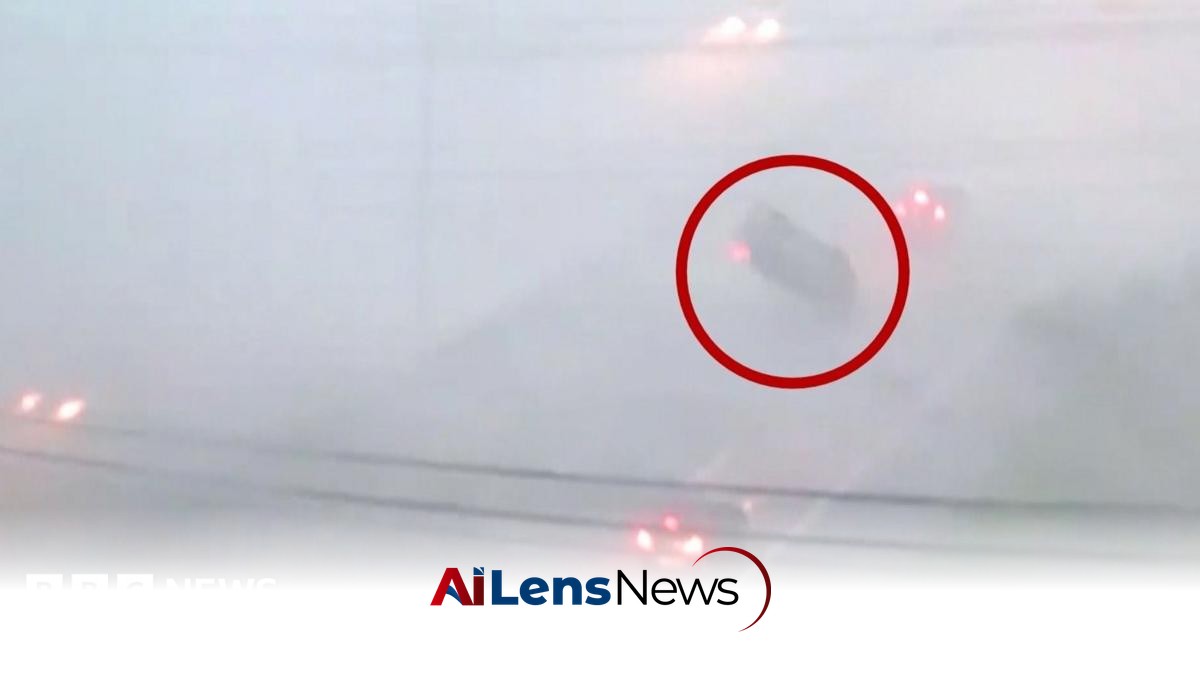


Severe storms in Ohio have resulted in vehicle overturns and flooding, prompting officials to prepare for further weather events.
New Delhi, India Aug 12, 2026 ALN: Severe storms swept through central Ohio recently, causing significant disruptions including the overturning of a vehicle and widespread flooding. Video footage captured by the Ohio Department of Transportation showed a vehicle being flipped by the powerful winds. Such extreme weather events have become more common in recent years, prompting discussions about the underlying causes and necessary preparations.
Fortunately, no injuries were reported from the incident involving the overturned vehicle, but the storms brought heavy rain and strong winds that resulted in extensive damage across the region. Tragically, at least one fatality has been confirmed as a result of the severe weather, underscoring the potential dangers associated with such storms. The loss of life in these events serves as a sobering reminder of the risks posed by natural disasters and the importance of preparedness.
The storms caused significant disruptions to daily life in central Ohio, with many roads becoming impassable due to flooding and debris. Emergency services were deployed to assist those affected and to clear roadways. The heavy rainfall led to swollen rivers and streams, which posed a risk of flash flooding in low-lying areas. This situation was compounded by the fact that many local communities had already been experiencing a wet season, which left the ground saturated and unable to absorb additional rainfall. The accumulation of water on roadways not only hindered transportation but also posed risks to safety, as vehicles attempted to navigate through flooded areas.
In response to the situation, Ohio Governor Mike DeWine has activated the Ohio National Guard to assist with emergency measures. This activation allows for a rapid response to the needs of communities affected by the storms, including search and rescue operations, distribution of supplies, and support for local emergency services. Governor DeWine has also urged residents to remain vigilant and prepare for additional severe storms and potential flooding in the coming days, highlighting the importance of readiness in the face of unpredictable weather patterns. The involvement of the National Guard is a critical step in ensuring that emergency response efforts are adequately supported, especially in areas where local resources may be overwhelmed.
This weather event highlights the increasing frequency and intensity of severe storms in the region, raising concerns about climate change and its impact on local weather patterns. Experts have noted that climate change is contributing to more extreme weather events, including heavier rainfall, stronger winds, and more intense storms. As the planet continues to warm, these patterns are expected to become more pronounced, leading to greater risks for communities that may not be adequately prepared for such occurrences. The scientific consensus indicates that as global temperatures rise, the atmosphere can hold more moisture, which can lead to increased precipitation during storms.
Residents are advised to stay informed about weather updates and to take necessary precautions to ensure their safety as more storms are expected. Preparedness measures can include creating emergency kits, establishing communication plans with family members, and understanding local evacuation routes. Local authorities are also working to improve infrastructure to better handle severe weather, including enhancing drainage systems and reinforcing flood defenses. The proactive steps taken by local governments can significantly mitigate the impact of severe weather events, but community involvement and personal preparedness are equally essential.
The aftermath of the recent storms serves as a reminder of the importance of community resilience in the face of natural disasters. Community organizations and local governments are encouraged to collaborate on disaster preparedness initiatives, ensuring that vulnerable populations have access to resources and support during emergencies. Schools, businesses, and local agencies are also urged to develop and practice emergency response plans to minimize disruptions and enhance safety during severe weather events. Strengthening community ties and fostering collaboration can lead to more effective responses and recovery efforts.
Furthermore, the storms have prompted discussions about the need for comprehensive climate adaptation strategies. As the frequency of severe weather increases, it is essential for policymakers to consider long-term solutions that address the root causes of climate change while also investing in infrastructure that can withstand extreme weather. This includes not only physical structures but also community education and engagement to foster a culture of preparedness and resilience. Policymakers are urged to integrate climate considerations into urban planning and development to ensure that new infrastructure is designed to cope with changing weather patterns.
In the wake of the storms, many residents have come together to support one another, demonstrating the strength and solidarity of the community. Volunteer efforts have been organized to assist those who have suffered property damage, and local businesses have stepped up to provide resources and aid. This spirit of cooperation is vital in recovery efforts and highlights the importance of community in overcoming challenges posed by severe weather. The collective response of the community can enhance recovery and provide emotional support to those affected.
As meteorologists continue to monitor weather patterns, residents are encouraged to heed warnings and advisories issued by local authorities. The unpredictability of severe storms necessitates a proactive approach to safety, and communities must remain vigilant as they navigate the challenges posed by an increasingly volatile climate. Engaging with local weather services and participating in community preparedness initiatives can empower residents to take control of their safety during severe weather events.
In conclusion, the severe storms that impacted central Ohio serve as a stark reminder of the potential dangers associated with extreme weather. The loss of life and property emphasizes the need for ongoing discussions about climate change, preparedness, and community resilience. As Ohio and other regions face the realities of a changing climate, it is imperative that individuals, communities, and governments work together to mitigate risks and enhance safety for all residents. The collaborative efforts of local governments, community organizations, and residents can create a more resilient framework for facing future challenges posed by severe weather.
To learn more about the latest developments in Environment & Climate, stay updated with our exclusive reports and analyses on AiLensNews.

