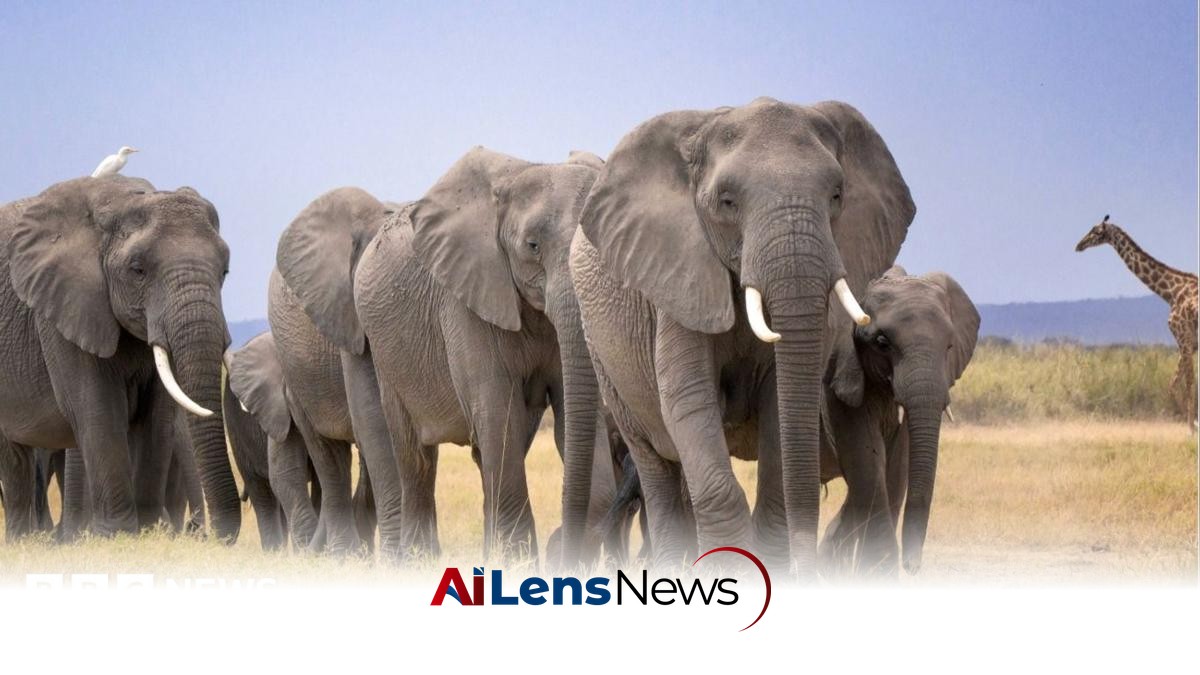


An urgent inquiry is underway following the mysterious deaths of 14 elephants in southern Kenya, marking a significant wildlife concern.
New Delhi, India Jul 28, 2026 ALN: An urgent investigation has been launched into the mysterious deaths of 14 elephants in southern Kenya near the Amboseli National Park.
The Kenya Wildlife Service (KWS) reported that experts are currently examining the carcasses, with tissue samples sent to laboratories to determine whether the deaths were caused by disease, poisoning, or another factor. This investigation is crucial not only for understanding the immediate cause of these deaths but also for assessing the broader health of the elephant population in the region.
The Amboseli ecosystem, which straddles the border with Tanzania, is renowned for its wildlife and is a vital habitat for elephants. This area is characterized by its diverse landscapes, including swamps, grasslands, and the iconic views of Mount Kilimanjaro. The Amboseli National Park itself is one of the most famous wildlife parks in Africa, attracting tourists from around the world who come to witness the majestic elephants that roam its plains. The park is not only a critical refuge for elephants but also supports a variety of other wildlife species, including lions, zebras, and various bird species, making it a biodiversity hotspot.
Officials have indicated that this is the first time in decades that elephant mortalities on this scale have been recorded in the region, especially after successful efforts to combat poaching. The KWS has made significant strides in protecting elephants, implementing anti-poaching measures and engaging local communities to foster coexistence with wildlife. The fact that such a number of elephants have died under unexplained circumstances raises alarms about potential new threats to these animals.
KWS has stated that there is currently no evidence pointing to a single cause of death. This uncertainty complicates the investigation, as it may involve multiple factors contributing to the elephants' demise. The carcasses include elephants of various ages and sexes, suggesting that the deaths are not confined to a single family or demographic group, which could indicate a wider issue affecting the population. The diverse ages and sexes of the deceased elephants also suggest that the problem may not be isolated but could reflect systemic issues affecting the entire ecosystem.
Duncan Wanyama, head of communication at KWS, informed local media that the bodies were found at different locations surrounding the Amboseli National Park, approximately 15 to 30 kilometers from its boundaries. The geographical spread of the carcasses could provide important clues about the potential causes of death, as it suggests that the elephants may have encountered a common hazard in various locations. This spatial distribution could indicate al factors or widespread toxins that might have affected the elephants across a larger area.
According to figures from the Amboseli Trust for Elephants, which monitors the movements of the animals, there were over 2,000 elephants in the Amboseli ecosystem as of 2025. This population is vital not only for the ecological balance of the region but also for the local economy, which heavily relies on wildlife tourism. The deaths of these elephants could have significant implications for both biodiversity and the livelihoods of communities that depend on tourism. The Amboseli ecosystem plays a crucial role in attracting tourists, who contribute to the local economy through park fees, lodging, and other related expenditures. A decline in elephant populations could deter tourists, leading to economic repercussions for local businesses.
The Amboseli ecosystem is not only a critical habitat for elephants but also supports a variety of other wildlife species, including lions, zebras, and various bird species. The health of the elephant population is often seen as an indicator of the overall health of the ecosystem. Therefore, the unexplained deaths raise concerns about potential ecological changes or health crises that could affect other species as well. Elephants, being keystone species, play a significant role in maintaining the structure of their habitat. Their foraging habits help shape the landscape, which in turn supports a myriad of other species. A decline in elephant populations could trigger a cascade of effects throughout the ecosystem, leading to further biodiversity loss.
The KWS has emphasized the importance of swift action to determine the cause of these deaths to mitigate any further losses. Investigations into wildlife deaths can often be complex, requiring extensive fieldwork and laboratory analysis. Experts will need to consider a range of possibilities, including infectious diseases, al toxins, and human-wildlife conflict. In recent years, there has been a rise in diseases affecting wildlife populations, which can be exacerbated by climate change and habitat degradation. Identifying the cause of the deaths is critical not only for the immediate situation but also for developing long-term strategies to protect the remaining elephant population.
In recent years, there have been increasing concerns about the impact of climate change on wildlife populations, including elephants. Changes in rainfall patterns, habitat loss, and increased human encroachment can all stress wildlife populations. As the climate continues to change, these factors may exacerbate existing threats to elephants and other wildlife. For example, prolonged droughts can lead to food and water shortages, making elephants more vulnerable to disease and reducing their reproductive success. Additionally, changing weather patterns can alter migratory routes and habitat availability, further complicating conservation efforts.
Moreover, the issue of human-wildlife conflict is particularly pressing in regions like Amboseli, where expanding agricultural lands and human settlements encroach on traditional elephant migratory routes. This can lead to dangerous encounters between elephants and humans, often resulting in retaliatory killings or the poisoning of elephants. The KWS has been working to address these conflicts through community engagement and education, but the recent deaths highlight the need for continued efforts. Engaging local communities in conservation efforts is essential, as they often have a direct impact on wildlife survival. Community-based conservation initiatives, which involve local people in decision-making and benefit-sharing, can help foster positive relationships between humans and wildlife.
As the investigation unfolds, conservationists and wildlife advocates will be closely monitoring the situation. The deaths of these elephants serve as a reminder of the vulnerabilities faced by wildlife in an ever-changing world. It is crucial for all stakeholders, including government agencies, local communities, and international organizations, to work collaboratively to ensure the survival of these iconic animals. The involvement of various stakeholders can lead to more comprehensive conservation strategies that address both ecological and socio-economic factors affecting wildlife populations.
The Amboseli Trust for Elephants and other organizations dedicated to elephant conservation will likely play a key role in supporting the investigation and advocating for the protection of the elephant population. They may also provide valuable insights based on their long-term studies of elephant behavior and health in the region. These organizations can also help raise awareness about the importance of elephant conservation and mobilize resources for research and community engagement efforts.
In conclusion, the unexplained deaths of 14 elephants in Kenya's Amboseli ecosystem is a serious concern that necessitates immediate attention and action. The outcomes of the investigation will not only provide answers to the cause of these deaths but will also have significant implications for the future of elephant conservation efforts in the region. The health of the Amboseli elephants is critical, not just for the species itself but for the entire ecosystem and the communities that depend on it. Addressing the challenges faced by elephants will require a multifaceted approach that considers al, social, and economic factors to ensure the long-term survival of these majestic animals.
To learn more about the latest developments in Environment & Climate, stay updated with our exclusive reports and analyses on AiLensNews.

