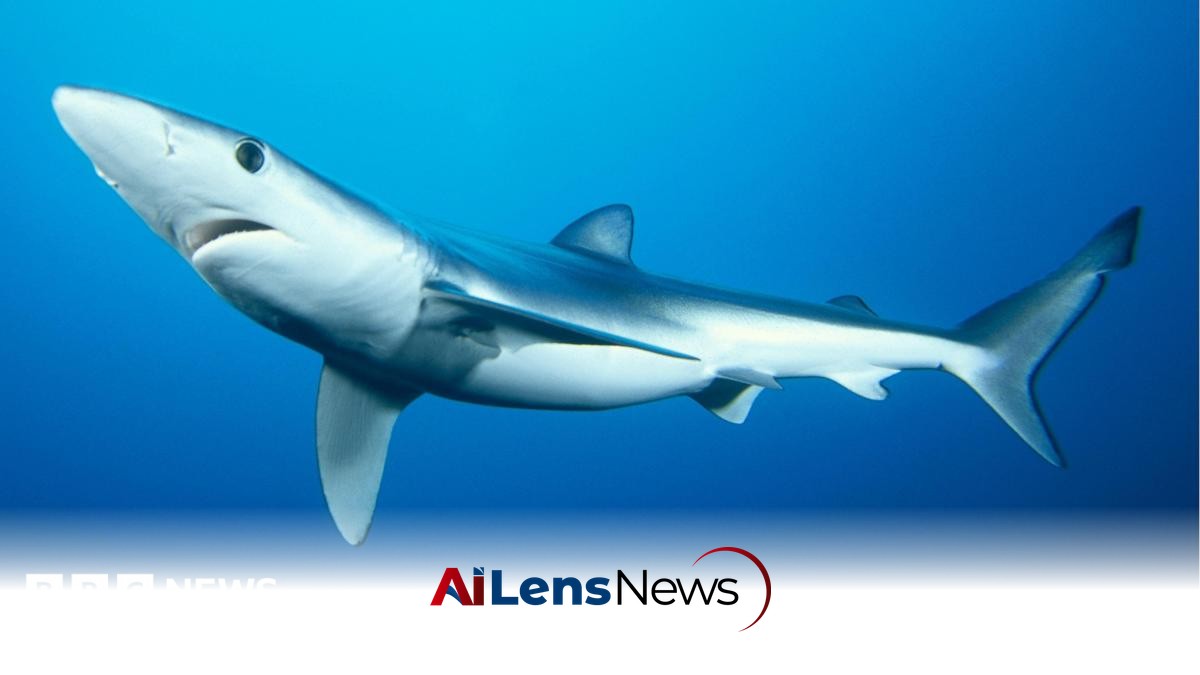


Natural England allocates nearly £1 million to study blue sharks, porbeagles, and tope, focusing on their migration and breeding patterns.
New Delhi, India Jul 19, 2026 ALN: Scientists have been awarded nearly £1 million to investigate the movement and breeding grounds of three endangered shark species.
Natural England's Species Recovery Programme will concentrate on the blue shark, porbeagle, and tope. These species, which have been classified as endangered, face various threats, including overfishing, habitat loss, and climate change. The funding for this research underscores the growing recognition of the importance of marine conservation and the urgent need to address the decline of these species.
The research will utilize electronic tags to track migration routes, habitats, and the sharks' responses to capture and release by anglers. This method of tracking not only provides vital data on the sharks' movements but also helps researchers understand how these species interact with their and the pressures they face. By monitoring their behavior post-capture, scientists can gain insights into their survival rates and the effectiveness of current fishing practices.
The research team will collaborate with anglers in regions such as Looe, Falmouth, and Brightlingsea to analyze catch records, aiming to create "the most complete picture yet" of shark distribution. Anglers play a crucial role in this research as they often have extensive knowledge about local fish populations and their behaviors. By engaging with this community, researchers can tap into a wealth of anecdotal evidence that can complement scientific data, providing a more comprehensive understanding of shark populations.
Experts will also employ ultrasound scanning to identify pregnant sharks and locate potential pupping and nursery grounds. This aspect of the research is particularly important, as understanding where sharks give birth can help in the conservation of their populations. Nursery areas are critical for the survival of juvenile sharks, and protecting these habitats is essential for the long-term sustainability of these species.
The team plans to conduct workshops and structured interviews with at least 45 anglers to gather insights on local ecology and the sizes of sharks caught historically. This qualitative data will be invaluable in painting a broader picture of the historical trends in shark populations and will help to contextualize the current data being collected through tagging and tracking.
The findings will contribute to updating England's Red List assessments and provide guidance for anglers to enhance the survival rates of released sharks. The Red List is a critical tool for conservationists, as it helps to identify species at risk of extinction and prioritize conservation efforts. By providing updated information on the status of these shark species, the research will aid in developing targeted strategies to protect them.
Dr. Matthew Witt, a marine scientist at the University of Exeter, stated: "Coastal and open ocean sharks are among the most threatened groups of animals, yet they hold immense ecological, cultural, and economic value." Sharks play a vital role in maintaining the health of marine ecosystems, and their decline can have cascading effects on other species and habitats. Furthermore, many coastal communities rely on healthy shark populations for tourism and fishing, making their conservation not only an ecological imperative but also an economic one.
Witt added: "By combining generations of angler knowledge with state-of-the-art animal tracking technology, we're building the evidence needed to secure a future for these remarkable species." This integration of traditional ecological knowledge with modern scientific techniques exemplifies a holistic approach to conservation that is becoming increasingly necessary in the face of rapid al change.
The shark project also involves collaboration with the Angling Trust, the Marine Biological Association (MBA), and the Pat Smith Database. These partnerships highlight the importance of collaboration in conservation efforts, as different organizations bring unique expertise and resources to the table. The Angling Trust, for instance, represents the interests of anglers and can help facilitate communication between researchers and the fishing community, ensuring that the findings of the research are disseminated effectively.
Dr. Bryce Stewart, a senior research fellow at MBA, noted: "Important and vulnerable shark species inhabit English waters, yet significant knowledge gaps remain regarding their distribution and abundance." The acknowledgment of these gaps is crucial, as it points to the need for ongoing research and monitoring. Without a clear understanding of how many sharks are present and where they are located, it is challenging to implement effective conservation measures.
He emphasized that the data collected will help identify necessary actions to ensure the future of these species. This research is not just about understanding the current state of shark populations; it is also about informing policy decisions and conservation strategies that can lead to tangible improvements in their status. By identifying critical habitats, understanding migration patterns, and assessing the impact of fishing practices, this research has the potential to shape future regulations and conservation initiatives.
The implications of this research extend beyond the immediate goal of conserving endangered shark species. The findings could also contribute to broader marine conservation efforts, informing initiatives aimed at protecting marine biodiversity as a whole. As the impacts of climate change continue to intensify, understanding how various species respond to al stressors will be crucial in developing adaptive management strategies.
In conclusion, the nearly £1 million funding for the research on endangered shark species in England represents a significant step forward in marine conservation. By leveraging technology, collaborating with local anglers, and addressing critical knowledge gaps, this research aims to enhance our understanding of these vulnerable species and inform effective conservation strategies. The outcomes of this project could have lasting impacts not only on the sharks themselves but also on the health of marine ecosystems and the communities that depend on them.
To learn more about the latest developments in Biology & Life Sciences, stay updated with our exclusive reports and analyses on AiLensNews.

