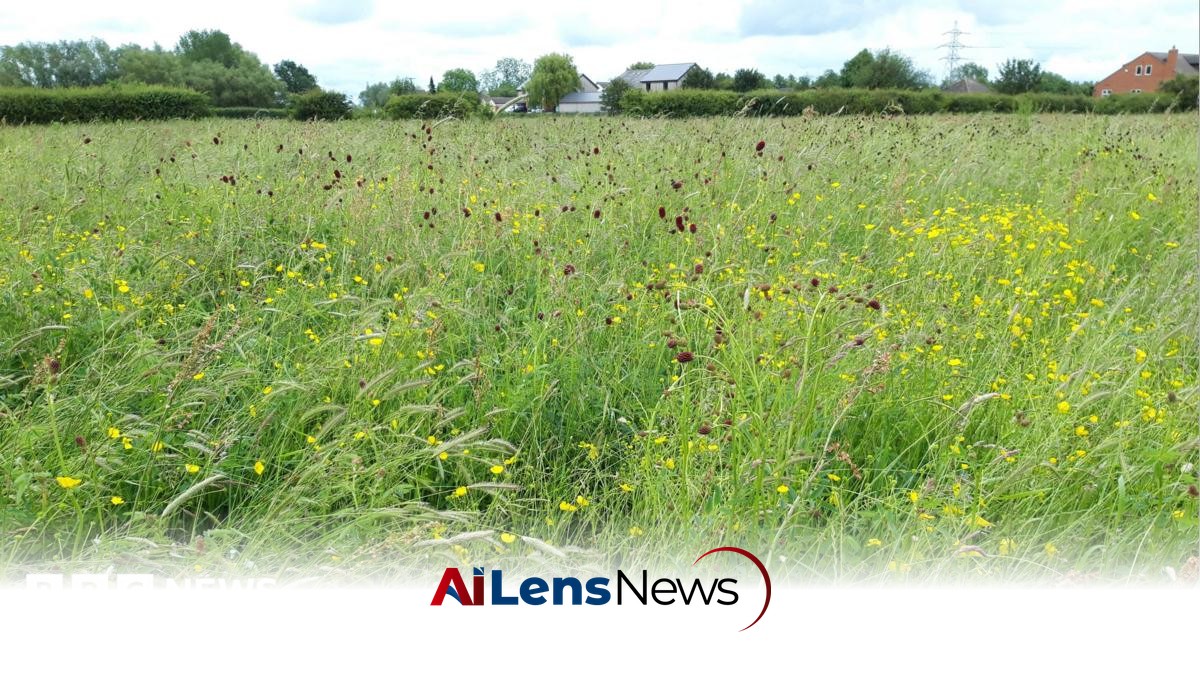


A floodplain meadow in Northamptonshire is set for restoration after being donated to a wildlife trust, marking a significant conservation effort.
New Delhi, India Jul 13, 2026 ALN: A rare floodplain meadow is to be restored into a wildflower-rich habitat after it was donated to a conservation charity.
White Mills Meadow is situated on the banks of the River Nene at Earls Barton, near Northampton, and it was generously given to the trust by the Thompson family. This donation marks a significant step in the ongoing efforts to restore and protect vital ecosystems in the region. The River Nene itself is one of the major rivers in England, flowing through the heart of the country and providing essential habitats for various flora and fauna.
The six-hectare (15-acre) site will become the Wildlife Trust for Bedfordshire, Cambridgeshire & Northamptonshire's 34th reserve in Northamptonshire, further expanding the organization's commitment to conservation in the area. The establishment of this reserve is particularly important given the current challenges facing the UK, where natural habitats are increasingly under threat from urbanization, agricultural expansion, and climate change.
Conservation manager Matt Johnson emphasized the significance of floodplain meadows, describing them as "one of the rarest habitats in England" with "only around 2,000 hectares (4,242 acres) remaining". These meadows are characterized by their rich biodiversity and the unique conditions they provide for various plant and animal species, including many that are rare or endangered. Historically, floodplain meadows were a common feature of the English landscape, but agricultural practices, particularly intensive farming and drainage, have led to their dramatic decline over the past century.
Floodplain meadows are not only ecologically important but also play a crucial role in the agricultural landscape. Johnson expressed gratitude towards the Thompson family, stating, "We'd like to say a big thank you to the Thompson family – we are very grateful for their generosity and for entrusting us with the care of this land." This type of philanthropy is vital for conservation efforts, as it provides the necessary resources to manage and restore natural habitats effectively. The donation highlights the important role that private landowners can play in supporting conservation initiatives and preserving biodiversity.
The restoration process for White Mills Meadow will involve several key strategies aimed at reviving the meadow's natural ecosystem. Johnson indicated that the trust plans to reintroduce traditional hay cuts, which are essential for maintaining the health of the meadow. Hay cutting helps to prevent the encroachment of invasive species and promotes the growth of native plants that are critical for the local wildlife. This traditional method of land management is not only beneficial for the plants but also creates a sustainable cycle that supports various animal species.
In addition to hay cutting, conservation grazing will be implemented. This method involves introducing livestock to graze on the meadow, which can help maintain the vegetation structure and promote the growth of diverse plant species. Grazing animals, such as sheep or cattle, can create a mosaic of habitats that benefit various insects, birds, and other wildlife. The careful management of grazing is crucial, as it must be balanced to avoid overgrazing, which can lead to soil degradation and loss of plant diversity.
The ecological importance of floodplain meadows cannot be overstated. These ecosystems are known for their ability to produce nectar-rich native flowers, which support hundreds of species of insects, including pollinators like bees and butterflies. Pollinators are essential for the health of many plants and crops, making their conservation a priority for both ecological and agricultural sustainability. The decline of pollinators has been a growing concern, with studies indicating that many species are facing significant threats from habitat loss, pesticide use, and climate change.
Moreover, floodplain meadows serve a critical function in water management. They act as natural sponges, absorbing excess rainwater during wet seasons and releasing it slowly, which helps to mitigate flooding downstream. This is increasingly important in the context of climate change, where extreme weather events are becoming more frequent and severe. The ability of these meadows to regulate water flow can help protect nearby communities from flooding and contribute to overall watershed health.
The Wildlife Trust's initiative to restore White Mills Meadow is part of a broader plan to reverse biodiversity loss across its three counties, which was unveiled in March 2025. This plan is a response to alarming statistics that indicate a 19% decline in wildlife in the UK since 1970. The decline has been attributed to various factors, including habitat loss, pollution, and climate change. Notably, nearly one in six species is now threatened with extinction in Great Britain, highlighting the urgent need for conservation action. The Wildlife Trust aims to create a network of protected areas that can support wildlife populations and allow for their natural migration in response to changing climate conditions.
The implications of these conservation efforts extend beyond the immediate benefits to the meadow itself. By restoring habitats like White Mills Meadow, the Wildlife Trust aims to create corridors for wildlife, allowing species to thrive and adapt to changing al conditions. This is essential for maintaining biodiversity and ensuring the resilience of ecosystems in the face of ongoing challenges. Additionally, these corridors can facilitate genetic exchange between populations, which is vital for the long-term survival of many species.
Community involvement and awareness are also critical components of successful conservation efforts. The Wildlife Trust encourages local residents to engage with their natural surroundings and participate in conservation activities. Education initiatives aimed at schools and community groups can foster a sense of stewardship and responsibility towards local ecosystems, empowering individuals to contribute to conservation efforts. By promoting awareness of the importance of local wildlife and habitats, the Wildlife Trust hopes to inspire a new generation of conservationists who will advocate for sustainable practices and al protection.
As the restoration of White Mills Meadow progresses, it will serve as a vital demonstration of the potential for community-led conservation to make a meaningful impact on local biodiversity. The success of this project could inspire similar initiatives across the region, fostering a culture of conservation and al stewardship. The collaboration between the Wildlife Trust and the Thompson family exemplifies how partnerships can lead to effective conservation outcomes that benefit both people and nature.
In conclusion, the restoration of White Mills Meadow represents a significant milestone in the ongoing efforts to protect and restore vital ecosystems in Northamptonshire. The collaborative efforts of the Thompson family and the Wildlife Trust exemplify the power of community engagement in conservation. As the project unfolds, it will not only enhance the ecological health of the area but also contribute to a broader movement aimed at reversing the alarming trends of biodiversity loss in the UK. Furthermore, it underscores the importance of collaborative efforts in addressing al challenges and highlights the role of local communities in safeguarding their natural heritage.
For those interested in supporting conservation efforts or learning more about local wildlife initiatives, there are many avenues for involvement. Engaging with local conservation organizations, participating in volunteer activities, and advocating for sustainable practices can all contribute to the preservation of natural habitats for future generations. By working together, communities can play a crucial role in protecting the and ensuring that future generations inherit a healthy and diverse natural world.
To learn more about the latest developments in Environment & Climate, stay updated with our exclusive reports and analyses on AiLensNews.

