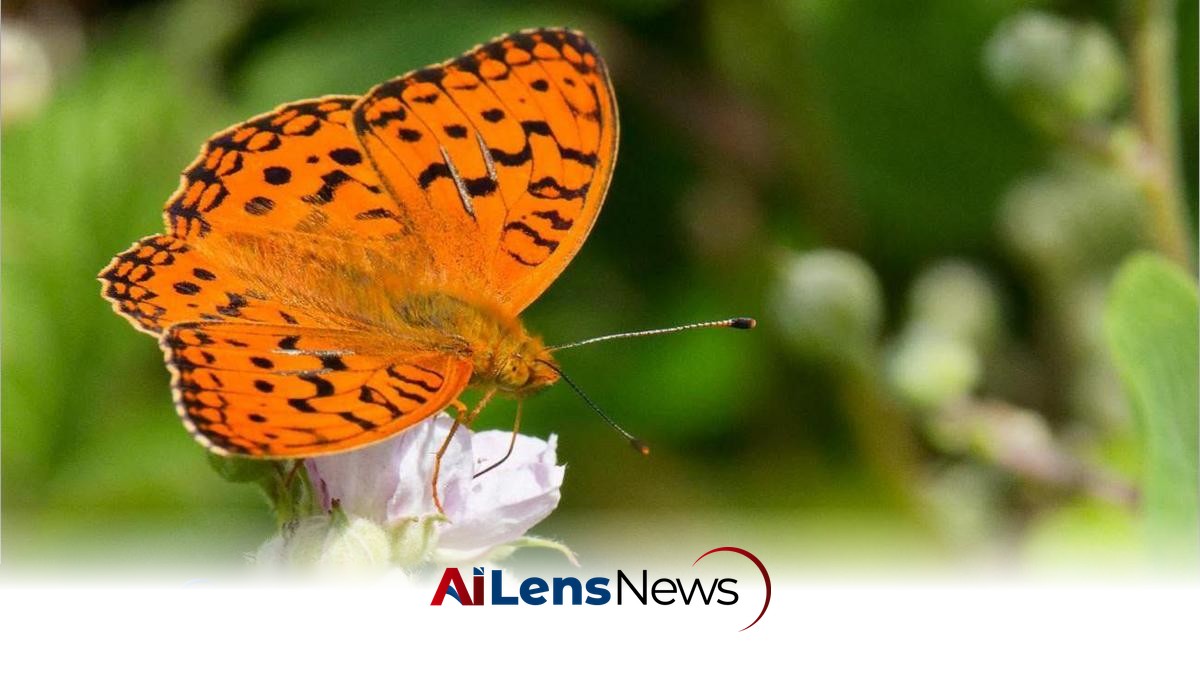


The high brown fritillary butterfly, once common in Britain, is now endangered. Conservation efforts involving cows are aiding its revival.
New Delhi, India Jul 10, 2026 ALN: With its brilliant orange wings and black markings, the high brown fritillary butterfly was once widespread in Wales and England.
But now it's one of the rarest of all British butterflies, with its numbers declining by 62% since 1970. This alarming decrease highlights not only the fragility of certain species but also the broader al challenges that many ecosystems face today. The high brown fritillary is particularly sensitive to habitat changes, making it a key species for conservation efforts. It serves as an indicator of the health of the habitats it occupies, and its decline signals potential issues affecting other wildlife.
One reason for the high brown fritillary's decline is its incredibly specific requirements to survive. Unlike many other butterflies that can adapt to a variety of s, the high brown fritillary has a narrow ecological niche. It thrives in areas where bracken and common dog violet coexist. The relationship between these plants and the butterfly is symbiotic; the caterpillars feed on the dog violet, while the bracken provides the necessary habitat structure. However, the delicate balance required for this relationship is easily disrupted.
"They are the pickiest," says Paul Dunn, who for more than 30 years has been working hard among the bracken of the Alun Valley at Old Castle Down, in the Vale of Glamorgan, to revive the butterfly's fortunes. Dunn's dedication reflects a growing movement among conservationists who recognize the need for targeted interventions to protect vulnerable species. His work, alongside a group of dedicated volunteers, has become a beacon of hope in the fight against biodiversity loss.
To combat the decline of the high brown fritillary, volunteers have enlisted the help of a far more common animal: cows. By allowing cattle to graze on the site, they aim to manage the bracken and encourage the growth of dog violet. This innovative approach to conservation demonstrates how traditional farming practices can be integrated into modern ecological restoration efforts. The involvement of livestock is particularly notable as it aligns with sustainable land management practices that benefit both agriculture and wildlife.
"Almost everywhere else in Britain it's dying out and yet here we seem to be hanging on and doing very well. It's very positive," Dunn said. This optimism is rooted in the tangible results of their efforts. High browns need a delicate combination of bracken and common dog violet to thrive, and the grazing of cattle helps maintain this unique habitat. The presence of cows not only keeps the bracken in check but also promotes a diverse plant community that supports various life forms.
Richard Smith, who has been with Paul since the start of their conservation efforts in 1993, notes that traditional uses of bracken have changed over the years. "Traditionally bracken was used as animal bedding, but less and less people use it now they can get straw," he says. This shift in agricultural practices has contributed to the overgrowth of bracken, which can smother the dog violet and disrupt the delicate ecosystem needed for the high brown fritillary. The volunteers have recognized that managing the bracken is essential to maintaining the conditions necessary for the butterfly's survival.
Too much bracken inhibits the growth of the dog violet, the food source for the caterpillars. Additionally, the plant's growth patterns affect the microclimate of the area. "It hasn't been able to adapt its life cycle away from this need for a certain temperature on the ground. The cutting of the bracken is essential," Smith explains. The volunteers have been hard at work coppicing—hard pruning the overgrown hedges—on this common land to create the specific ecosystem needed for the high brown's survival.
For the first time in more than half a century, the volunteers have for the past three years encouraged local commoners' association members to graze their cows on the site, to help maintain the habitat. This initiative not only benefits the butterflies but also fosters a sense of community and collaboration among local farmers and conservationists. By working together, they are creating a sustainable model for land use that supports both agriculture and biodiversity.
"Cattle are great because they trample bracken without eliminating it and create an uneven ground structure which is also good as it creates little niches where the temperatures can be higher than the surrounding area," Smith said. This uneven ground structure is crucial for the high brown fritillary, as it allows for varied microhabitats that can support different stages of the butterfly's life cycle. The interactions between the cows, the bracken, and the dog violet illustrate the complex relationships that exist within ecosystems and the importance of maintaining these dynamics for conservation success.
As this is common land, there are no fences. So, as part of National Lottery grant funding, the team has secured solar-panelled collars for the cows to create a "no-fence grazing" perimeter to stop the cattle from leaving the land. This innovative solution allows for effective management of the grazing area while minimizing disruption to the landscape. It also showcases the potential for technology to play a role in conservation efforts, providing a modern approach to traditional land management practices.
Yearly weather patterns can affect the high brown population, but overall their numbers have increased thanks to the efforts of the team and their furry recruits. The fluctuations in weather can pose challenges for butterfly populations, as temperature and precipitation directly influence their life cycles and habitat availability. However, the proactive measures taken by the volunteers have created a resilient that can better withstand these changes.
Richard and Paul began this operation on their own, but the team has grown over the years from two to more than 40. This growth reflects a broader trend in conservation, where community engagement and volunteerism are becoming increasingly vital. The involvement of a larger group not only amplifies the impact of their efforts but also fosters a sense of ownership and commitment among participants. As more individuals become aware of the plight of the high brown fritillary, they are inspired to contribute to its conservation.
For the past 11 years, Dot Williams has become another integral part of the group. Her journey into conservation began after a personal loss, leading her to seek purpose and connection in nature. "After my husband died I needed to get out and do something and I got involved with the Wildlife Trust, met Richard and Paul, and the Butterfly Conservation," she shares. Dot's story underscores the therapeutic potential of nature and the role that community plays in healing and personal growth.
"We're a social group - as well as the whole benefit of saving nature and working outdoors." The camaraderie among the volunteers has transformed the experience of conservation into a communal effort, where friendships are forged through shared goals. This social aspect is often overlooked in conservation narratives, yet it is essential for sustaining long-term engagement and support for al initiatives.
The same evening I meet this enthusiastic team, they are holding their monthly curry club - and now the weather is dry, they feast on jalfrezi and poppadoms among the trees. These gatherings not only provide an opportunity for the team to bond over food but also serve as a reminder of the importance of community in conservation work. By creating a welcoming and inclusive , they encourage more people to join their efforts and become stewards of the land.
"It's the butterflies that brought them together, but it's grown into much more than that, it's a community," she says. This sentiment encapsulates the essence of grassroots conservation, where the focus shifts from solely protecting a species to fostering a vibrant community that values and supports local ecosystems. Over the past 10 years, this small part of Wales has seen more than 37 species of butterflies, the high brown among them - and finally back on the rise.
So, after 33 years, for Paul, has all this volunteering all year round been worth it? "Fantastic, yes it's become a beautiful obsession to be honest." This passion reflects a deep commitment to conservation that transcends individual efforts. Paul's journey illustrates how long-term dedication can yield significant results, not just for one species but for entire ecosystems. His experiences serve as an inspiration for others to engage in conservation, highlighting that even small actions can lead to meaningful change. As the high brown fritillary begins to rebound, it symbolizes hope in a broader context, reminding us of the interconnectedness of life and the importance of protecting our natural world.
To learn more about the latest developments in Biology & Life Sciences, stay updated with our exclusive reports and analyses on AiLensNews.

