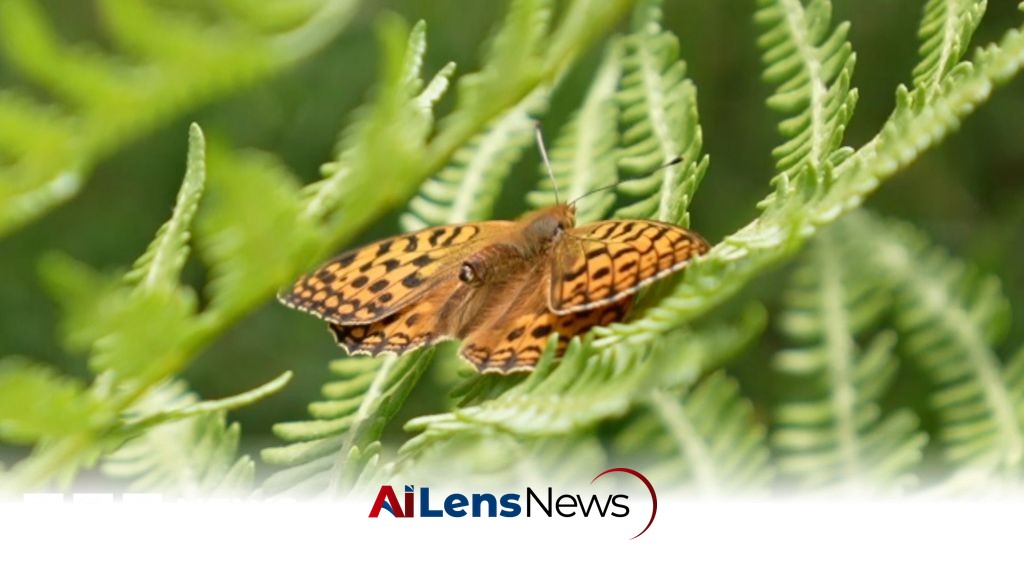


For over three decades, Paul Dunn has dedicated his efforts to reviving the population of the high brown fritillary butterfly in Wales.
New Delhi, India Jul 11, 2026 ALN: For more than 30 years, conservationist Paul Dunn has been on a mission to revive the fortunes of the high brown fritillary, one of Britain's rarest butterflies. Once prevalent across the UK, this species has seen a dramatic decline due to habitat loss and changing agricultural practices. The high brown fritillary, scientifically known as Argynnis adippe, is a species that thrives in specific conditions, predominantly in areas rich in wildflowers, which serve as both a food source for the caterpillars and a habitat for adult butterflies.
The high brown fritillary, known for its striking orange and black patterned wings, has faced numerous challenges in its survival. Historically, this butterfly was widespread across the UK, particularly in areas such as the south of England and parts of Wales. However, the primary threats include the loss of its natural habitats, particularly the wildflower-rich grasslands that are essential for its lifecycle. As farming practices have intensified, these habitats have dwindled, leading to a significant drop in butterfly populations. The shift towards monoculture farming and the use of pesticides have further exacerbated the situation, eliminating the diverse plant life necessary for the high brown fritillary to thrive.
In addition to agricultural changes, urban development has also played a role in the butterfly’s decline. As towns and cities expand, natural habitats are often destroyed or fragmented, making it difficult for butterflies to find suitable breeding and feeding grounds. Climate change poses another significant threat, as it alters the ecosystems that butterflies depend on, potentially shifting the availability of food sources and suitable habitats. Changes in temperature and precipitation patterns can disrupt the delicate balance that sustains butterfly populations, making their survival increasingly precarious.
Dunn's work is primarily focused in Wales, where he has collaborated with local communities, conservation organizations, and volunteers to create and maintain suitable habitats for the high brown fritillary. By implementing conservation grazing and managing land to promote wildflower growth, Dunn and his team aim to restore the butterfly's natural . Conservation grazing involves using livestock to manage vegetation, which helps maintain the open grassland habitats needed for the high brown fritillary. This method is particularly effective in controlling invasive plant species that can outcompete the native flora essential for the butterfly's lifecycle.
In addition to grazing management, Dunn's team actively engages in planting native wildflowers that are crucial for the butterfly’s lifecycle. These efforts not only provide food for the caterpillars but also attract adult butterflies for mating and nectar. The restoration of these habitats is a multi-faceted approach, requiring ongoing monitoring and adjustments to ensure the sustainability of the ecosystems being created. Monitoring involves tracking butterfly populations, assessing habitat quality, and making necessary changes to management practices to adapt to al changes.
One of the key aspects of Dunn's approach is engaging the local community. He believes that involving volunteers in conservation efforts not only helps to restore habitats but also fosters a sense of ownership and pride among residents. Workshops and educational programs have been established to raise awareness about the importance of biodiversity and the role of the high brown fritillary within the ecosystem. These initiatives aim to educate the public about the butterfly’s ecological significance and the broader implications of biodiversity loss. By fostering a connection between the community and the local , Dunn's programs encourage a culture of conservation that extends beyond individual projects.
Community involvement has proven to be a powerful tool in conservation. By empowering local residents to take part in habitat restoration, Dunn has created a network of advocates for the high brown fritillary. Volunteers participate in activities such as planting wildflowers, monitoring butterfly populations, and conducting surveys to assess the health of the habitats. This grassroots approach not only aids in conservation efforts but also strengthens community ties and promotes al stewardship. The collaborative nature of these initiatives ensures that conservation is seen as a shared responsibility, fostering a collective commitment to preserving local biodiversity.
Thanks to these concerted efforts, there have been signs of recovery in certain areas. Reports indicate that the high brown fritillary is beginning to reappear in locations where it had previously vanished. This resurgence is a positive indication that the strategies implemented by Dunn and his team are effective. However, the journey is far from over. Dunn remains optimistic about the future, emphasizing the need for continued support and funding to ensure the long-term survival of this butterfly. Conservation work requires substantial resources, and securing funding from governmental and non-governmental sources is essential for sustaining these initiatives. The financial backing not only supports habitat restoration but also enables research and monitoring efforts that are critical for understanding population dynamics and the effectiveness of conservation strategies.
As the conservation project progresses, Dunn plans to expand his initiatives beyond Wales, sharing successful strategies with other regions facing similar challenges. The ultimate goal is to create a network of thriving habitats that support not only the high brown fritillary but also a diverse array of wildlife. This vision aligns with broader conservation goals that aim to restore ecosystems and promote biodiversity on a larger scale. Such efforts are vital in an era where biodiversity is under threat from multiple fronts, including habitat destruction, climate change, and pollution.
Moreover, the implications of restoring habitats for the high brown fritillary extend beyond just the species itself. Healthy ecosystems contribute to the overall health of the , supporting other species and providing essential services such as pollination, soil health, and carbon sequestration. The work being done for the high brown fritillary can serve as a model for other conservation efforts targeting endangered species. By demonstrating the effectiveness of community-based conservation and habitat restoration, Dunn's initiatives could inspire similar projects across the UK and beyond, fostering a collective movement towards greater al stewardship.
In conclusion, the story of the high brown fritillary is a testament to the power of dedicated conservation efforts. With ongoing support and community involvement, there is hope for this rare butterfly and the ecosystems it represents. The commitment shown by conservationists like Paul Dunn highlights the importance of grassroots initiatives in addressing al challenges and fostering a sustainable future for both wildlife and human communities. As these efforts continue to evolve, they may pave the way for a more biodiverse and resilient landscape across the UK and beyond, ensuring that future generations can enjoy the beauty and ecological significance of the high brown fritillary and the habitats it calls home.
To learn more about the latest developments in Biology & Life Sciences, stay updated with our exclusive reports and analyses on AiLensNews.

