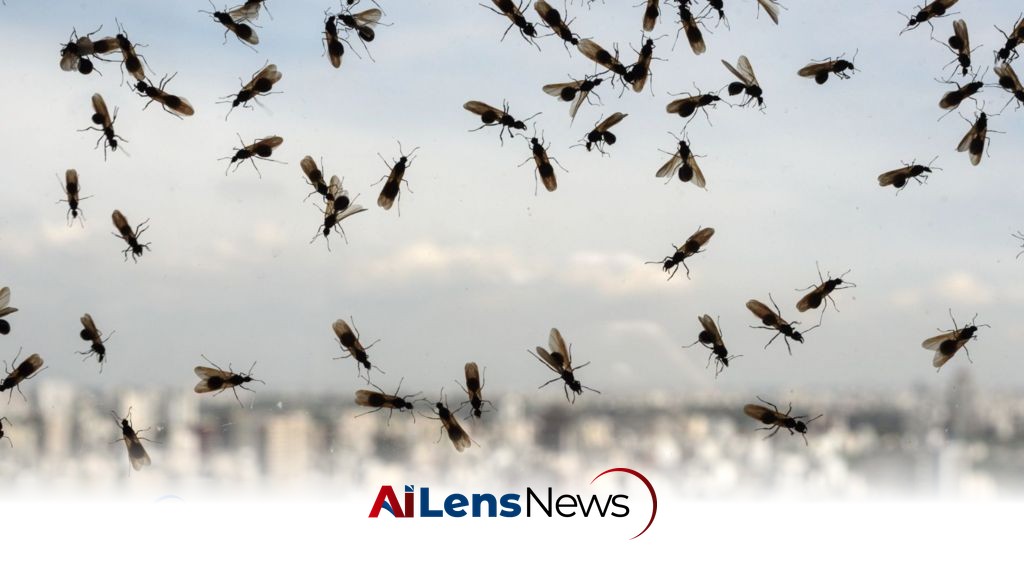


Sophia Herod explains how it isn't a single day, but something that happens through the summer.
New Delhi, India Jul 8, 2026 ALN: Have you heard of Flying Ant Day?
Flying Ant Day is a term that refers to a phenomenon observed during the summer months, rather than a specific day. This event is characterized by the mass emergence of flying ants, which typically occurs when conditions are right, such as warm weather and humidity. The spectacle is not only a visual marvel but also a critical event in the life cycle of ants, particularly for species that reproduce through aerial mating.
The term "Flying Ant Day" is often used to describe the day when large numbers of flying ants take to the skies, usually in July. However, this event is not confined to a single day; it can happen multiple times throughout the summer, depending on al conditions. The phenomenon can be observed in various regions, although it may vary in timing and intensity based on geographical location and local weather patterns.
The emergence of flying ants is a natural spectacle that can attract attention from both the public and scientists alike. In urban areas, people may notice swarms of these insects, leading to curiosity and sometimes concern. The event is often met with a mix of fascination and annoyance, as the large numbers of ants can invade homes or outdoor spaces. This duality of perception highlights the complex relationship humans have with insects, which can be both beneficial and troublesome.
Flying ants are actually reproductive males and queens that leave their colonies to mate during a nuptial flight. This flight is crucial for the continuation of their species, as it allows for genetic diversity and the establishment of new colonies. During this mating ritual, males will mate with multiple queens, and after the nuptial flight, the males typically die shortly afterward, having fulfilled their purpose. This reproductive strategy is essential for maintaining the health and resilience of ant populations.
Queen ants, on the other hand, will land, shed their wings, and seek out suitable locations to establish new colonies. This process of colony founding is essential for the survival of ant species, as it ensures that they can spread to new habitats and adapt to changing al conditions. The successful establishment of new colonies contributes to the overall population dynamics and ecological balance within their respective ecosystems. This process is not just about reproduction; it is a fundamental aspect of how ants interact with their , influencing soil health, plant growth, and even the populations of other organisms.
Several factors influence the timing of Flying Ant Day:
Additionally, seasonal weather patterns can greatly affect the timing of Flying Ant Day. For instance, a warm spell following a period of rain can trigger a mass emergence, as the conditions become ideal for the ants. Observations of local weather patterns can provide insights into when these events are likely to occur, allowing both enthusiasts and researchers to prepare for the spectacle. This adaptability is a testament to the resilience of ant species, which have evolved to respond to their s in dynamic ways.
The emergence of flying ants plays a significant role in the ecosystem. They serve as a food source for various predators, including birds and other insects. This mass emergence provides a feast for many species, which can benefit from the sudden availability of protein-rich food. In this way, flying ants contribute to the food web, supporting a variety of life forms in their habitats. For example, birds that feed on flying ants may use this resource to nourish their young, thereby enhancing the survival rates of the next generation.
Moreover, the presence of flying ants can indicate changes in al conditions, making them an important species for ecological monitoring. Their life cycle and behaviors can reflect broader trends in climate and ecosystem health. For instance, if the timing of their emergence shifts significantly from year to year, it can signal changes in climate patterns or habitat degradation. As such, scientists often study these events to gain insights into ecological changes and to monitor the health of ecosystems. This research is critical as it can inform conservation efforts and help mitigate the impacts of climate change on biodiversity.
Flying Ant Day is a fascinating natural event that highlights the intricate behaviors of ants and their role in the ecosystem. While it may not occur on a specific day, its significance is felt throughout the summer as these insects take to the skies in search of new beginnings. Understanding this phenomenon provides valuable insights into the life cycles of ants and the ecological dynamics that govern their existence. As climate change continues to impact weather patterns and ecosystems, observing events like Flying Ant Day can help scientists and the public alike understand the changing world around us. The phenomenon serves as a reminder of the interconnectedness of life and the importance of maintaining healthy ecosystems for future generations.
To learn more about the latest developments in Biology & Life Sciences, stay updated with our exclusive reports and analyses on AiLensNews.

