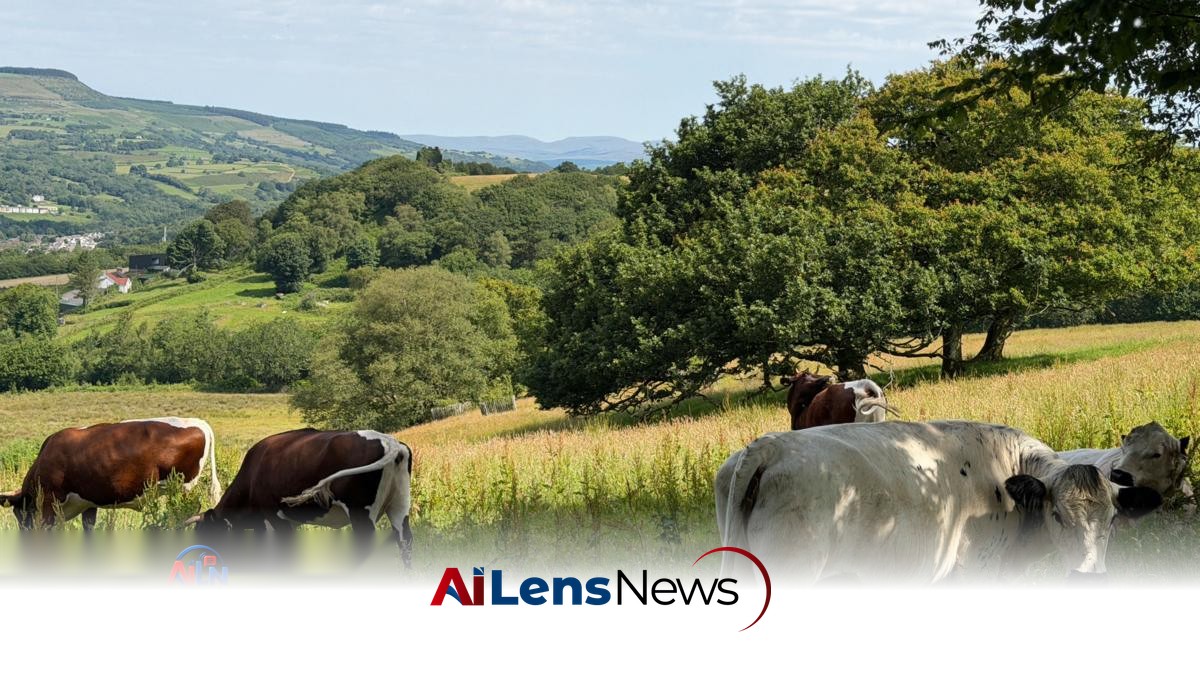


Experts warn that despite an increase in tree planting, Wales is falling short of its targets, risking future al stability.
New Delhi, India Jul 2, 2026 ALN: Red tape is making it "far easier" to cut woodlands down in Wales than to create new ones, a charity has warned.
Chris Matts, from the Woodland Trust, stated that "nature-based systems" are crucial for addressing climate change, but highlighted that bureaucracy poses significant challenges. The tension between al conservation and bureaucratic processes is not a new issue, but it has gained urgency as the impacts of climate change become increasingly apparent. Trees are not just a means of beautifying landscapes; they are pivotal in carbon sequestration, improving air quality, and enhancing biodiversity.
Government statistics indicate that the number of trees being planted is on the rise; however, conservationists argue that this rate is insufficient to meet established targets. The discrepancy between government reports and conservationists' concerns underscores the complexities involved in al management. While some may view the increase in tree planting as a positive step, it is essential to consider whether these numbers align with the ecological needs of the region and the ambitious climate goals set forth by various organizations.
The Energy and Climate Intelligence Unit predicts that, based on current planning rates, Wales will only achieve 10% of its target by 2030, which is considered "lagging behind" other devolved nations. This projection raises critical questions about the effectiveness of current policies and the urgency of action required to meet climate objectives. With the UK government aiming for net-zero emissions by 2050, the implications of failing to meet tree planting targets could be dire, not only for the but also for public health and economic stability.
The Welsh government has responded, asserting that the statistics do not account for all activities occurring on Welsh land. This response highlights the often-complex nature of al data collection and reporting. While the government may have access to a broader set of data, the challenge remains in translating that data into actionable policies that effectively promote tree planting and sustainable land use.
Keith Roberts, a volunteer with the Woodland Trust, expressed a strong sense of ownership regarding the woodland area he helps maintain in Neath. He noted, "One of the main reasons for planting the trees is part of the local flood defence system, so that's why we wanted to get involved in making the whole area safer for the Neath residents." His remarks emphasize the multifaceted benefits of tree planting; not only do trees serve as a natural barrier against flooding, but they also foster community engagement and al stewardship.
He added, "The whole point is creating something for future generations." Trees play a vital role in combating climate change by absorbing carbon dioxide, providing cooler shaded areas during hot weather, and contributing to flood defence systems. This long-term perspective is essential, as the decisions made today will shape the ecological landscape for generations to come. The intergenerational aspect of al conservation stresses the importance of sustainable practices that prioritize the health of ecosystems.
The Climate Change Committee (CCC), an independent advisory body for UK nations, includes woodland cover in its recommendations for achieving emissions targets and preparing for climate change impacts. The CCC's role is pivotal in guiding policy decisions, as it provides evidence-based recommendations that inform government actions. The emphasis on woodland cover reflects a growing recognition of the importance of natural ecosystems in mitigating climate change effects.
Devolved governments utilize the CCC's recommendations to set their own targets and plans. The divergence in targets and achievements among the UK nations raises questions about the effectiveness of local governance in addressing global challenges like climate change. While Scotland, for example, has made significant strides in tree planting, Wales appears to be lagging, prompting calls for urgent action and collaboration across borders.
Matts, who manages sites for the Woodland Trust in south and west Wales, remarked that amid extreme temperatures and weather warnings, woodland areas provide a "nice, stable, climatically cool" . This observation underscores the immediate benefits of tree cover in the context of climate extremes, as urban areas face increasing heatwaves and unpredictable weather patterns. The role of trees in urban planning and development is becoming increasingly recognized as cities strive to adapt to climate change.
He emphasized, "We know that nature-based systems are really some of our most important tools in the box for dealing with climate change," while reiterating that bureaucracy remains a significant hurdle. The paradox of needing to navigate complex regulations to create new woodlands while simultaneously facing the ease of deforestation points to a systemic issue within al governance. It raises the question of how policies can be reformed to facilitate rather than hinder ecological restoration efforts.
In 2024, planned targets for farmers in Wales to achieve 10% tree cover on their land to access the government's Sustainable Farming Scheme were abandoned following widespread protests. This decision reflects the contentious nature of land use in Wales, where agricultural interests often clash with al goals. The abandonment of such targets may have immediate implications for farmers seeking financial support while also highlighting the need for a more integrated approach to land management that balances agricultural productivity with ecological sustainability.
Matts highlighted the importance of collaboration, calling for long-term funding opportunities and a more flexible approach to woodland creation. The necessity for collaborative efforts among stakeholders, including government bodies, conservation organizations, and local communities, is crucial for achieving meaningful progress in tree planting initiatives. Establishing long-term funding mechanisms can provide a stable foundation for projects that require sustained investment and commitment.
This sentiment is echoed by the Energy and Climate Intelligence Unit, which reports that, according to its analysis, the UK is projected to face a tree planting gap of over 4,000 hectares by 2030, equivalent to the size of Portsmouth. This statistic serves as a stark reminder of the scale of the challenge ahead. As the UK grapples with its climate commitments, the potential shortfall in tree planting could undermine broader sustainability goals, affecting not only al health but also the economy and public welfare.
Tom Cantillon, a senior analyst with the group, noted that based on current tree planting rates, Wales is expected to meet only about 10% of its government Carbon Budget 2 target and 27% of CCC-advised levels by 2030. In contrast, Scotland is projected to achieve 74% of its government target and 98% of CCC advice by the same year, while Northern Ireland is on track for 48% of both its government target and CCC advice. These disparities highlight the need for urgent action in Wales to align its efforts with those of its counterparts, as failing to do so could have long-lasting implications for the region's climate resilience.
"Underplanting now will have significant knock-on impacts on the UK's net zero ambitions due to the time lag between when a tree is planted and when it can effectively remove carbon from the atmosphere," Cantillon warned. This warning encapsulates the urgency of the situation; immediate action is necessary to ensure that the trees planted today will contribute to carbon reduction efforts in the future. The time it takes for trees to mature and effectively sequester carbon means that delays in planting could hinder the UK's overall climate strategy.
He raised concerns for the Welsh government regarding how the anticipated shortfall in tree planting will be addressed in the future, whether through increased planting or other economic actions. The question of how to bridge the gap between current planting rates and future targets is critical. Policymakers must consider innovative solutions that can incentivize tree planting while also addressing the needs of various stakeholders, including farmers, landowners, and local communities.
The Confederation of Forest Industries (Confer), which advocates for the private forestry and wood sector, stated that the data indicates a failure to secure a sustainable future for upcoming generations. The emphasis on sustainability reflects a growing recognition that al decisions made today will have profound implications for future generations. The need for a long-term vision that prioritizes ecological health and sustainability is paramount as societies navigate the complexities of climate change.
Elaine Heckley, the Wales manager for Confer, remarked, "This is a dismal failure, when all the evidence shows that we need to plant many more trees to create green jobs, build sustainable homes, and support our climate change ambitions." Her comments highlight the interconnectedness of al sustainability and economic development. The creation of green jobs in the forestry sector can provide economic opportunities while also contributing to climate goals, creating a win-win scenario for both the and the economy.
In response, the Welsh government reiterated that the statistics reflect only areas meeting specific criteria and do not encompass every tree planted on Welsh land. A spokesperson emphasized, "Increasing tree cover benefits our and the health of people in Wales, and will be felt for generations to come," adding that the government is committed to enhancing tree planting rates. This commitment to increasing tree cover is essential for addressing both climate change and public health concerns, as urban areas increasingly grapple with issues related to air quality and heat management.
They concluded by stating, "We will be working collaboratively with public sector bodies to better understand the contribution they can make to increasing canopy cover in Wales." This collaborative approach is crucial for fostering a more sustainable future, as it encourages diverse stakeholders to engage in the decision-making process. By working together, the Welsh government and its partners can develop effective strategies for increasing tree cover, enhancing biodiversity, and building resilience against climate change impacts.
To learn more about the latest developments in Environment & Climate, stay updated with our exclusive reports and analyses on AiLensNews.

