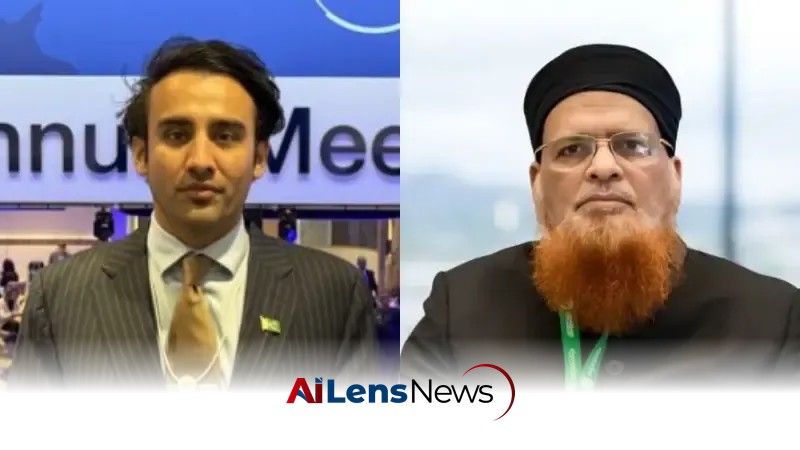


Bilal bin Saqib, Chairman of PVARA, met with Mufti Taqi Usmani to discuss the Shariah status of cryptocurrencies following a recent fatwa deeming them impermissible.
Islamabad, Pakistan Jul 11, 2026 ALN: The dialogue surrounding the Shariah status of digital assets in Pakistan has gained significant attention, particularly following a recent meeting between Bilal bin Saqib, the Chairman of the Pakistan Virtual Assets Regulatory Authority (PVARA), and renowned religious scholar Mufti Taqi Usmani. This meeting, described by Saqib as "constructive," was prompted by a fatwa issued by Mufti Usmani and a group of scholars, which declared the purchasing of goods with cryptocurrency as impermissible under Islamic law. The fatwa, issued on June 10, characterized cryptocurrency as "merely the recording of fictitious numbers in an account," raising questions about its legitimacy as a form of wealth in Shariah.
The issuance of the fatwa by Darul Ifta, Jamia Darululoom in Karachi, has created a complex landscape for the burgeoning cryptocurrency market in Pakistan. The fatwa was signed by Mufti Usmani, a former judge of the Federal Shariat Court, and five other prominent scholars, indicating a consensus among leading Islamic authorities regarding the treatment of digital currencies. The decree emphasized that, according to the research and opinions of experts, cryptocurrencies do not qualify as "maal" (wealth) in Shariah, which is a fundamental consideration in Islamic finance. The scholars argued that since cryptocurrency is not recognized as tangible wealth, transactions involving it do not confer ownership of goods or services purchased with it.
This ruling poses significant implications for the growing number of Pakistanis engaging with cryptocurrencies. As of now, it is estimated that around 40 million individuals in Pakistan are involved with digital assets, primarily through informal platforms that operate outside the regulatory framework. This situation creates a dual-edged sword: while there are opportunities for innovation and financial inclusion, there are also considerable risks associated with fraud and exploitation in an unregulated environment. The potential for scams is heightened in a sector that is still largely unregulated, creating a pressing need for oversight and consumer protection.
In response to the fatwa, Saqib emphasized the need for a nuanced understanding of digital assets. He expressed that blockchain technology, stablecoins, and tokenized real-world assets represent a diverse range of applications and technologies that should be evaluated through careful technical and Shariah assessments. Saqib's perspective reflects a broader trend in the financial world, where regulators and industry leaders are increasingly recognizing the need for comprehensive frameworks that accommodate innovation while ensuring consumer protection and adherence to ethical standards. This approach also aligns with global trends where countries are beginning to recognize the potential benefits of cryptocurrencies and blockchain technology while simultaneously addressing the risks involved.
The PVARA, which Saqib heads, is an autonomous federal body tasked with regulating virtual assets in Pakistan. Its mandate includes curbing illicit finance, protecting consumers, and fostering Shariah-compliant innovation through regulatory sandboxes. This approach aims to create a safe environment for the growth of fintech and digital assets while ensuring that these developments align with Islamic principles. The regulatory sandbox concept allows for testing new financial products and services in a controlled environment, enabling innovation while minimizing risks.
Furthermore, the legal landscape for cryptocurrencies in Pakistan has evolved significantly since the State Bank of Pakistan (SBP) legalized the use of virtual assets in April 2026 through the enactment of the Virtual Assets Act. This legislation allows banks to open accounts for licensed virtual asset service providers, marking a crucial step towards formalizing the cryptocurrency market in the country. The establishment of a regulatory framework is essential for promoting transparency and accountability in the cryptocurrency space, which has been marred by scams and fraudulent schemes. By creating a legal structure, the government aims to facilitate the growth of the digital economy while safeguarding the interests of consumers.
In recent months, Saqib has been vocal about Pakistan's commitment to developing a regulatory framework for digital assets, highlighting the importance of adapting to the rapid advancements in blockchain technology. The potential launch of Pakistan's first stablecoin, announced in December 2025, demonstrates the government's intention to integrate virtual assets into the economy. A stablecoin, which is linked to a physical currency like the US dollar, is designed to mitigate the volatility often associated with cryptocurrencies such as Bitcoin, making it a more stable option for users. The introduction of a stablecoin could provide a bridge for traditional finance and digital assets, offering a more secure and reliable means of conducting transactions.
The ongoing discussions between Saqib and Mufti Usmani are indicative of the need for collaboration between regulators and religious scholars in navigating the complexities of cryptocurrency in an Islamic context. As the field continues to evolve, it is crucial for both parties to engage in dialogue to ensure that the regulatory framework reflects not only the technological advancements but also the ethical and religious considerations that are paramount in Islamic finance. This collaboration could serve as a model for other countries facing similar challenges in reconciling modern financial technologies with traditional religious principles.
As the cryptocurrency landscape continues to develop, the implications of the fatwa and the subsequent discussions will likely influence the future of digital assets in Pakistan. The challenge will be to strike a balance between fostering innovation and ensuring compliance with Shariah principles, which requires ongoing engagement and collaboration among stakeholders in the financial and religious sectors. The outcome of these discussions could set a precedent for how digital assets are treated in other Muslim-majority countries, potentially influencing global conversations about the intersection of technology and faith.
In conclusion, the discourse surrounding the Shariah status of digital assets in Pakistan is not merely a regulatory issue but a broader societal concern that encompasses economic, ethical, and religious dimensions. The outcomes of these discussions will have lasting impacts on how cryptocurrencies are perceived and utilized in the country, shaping the future of financial technology and its integration into the Pakistani economy. The evolving regulatory landscape, combined with the rich tradition of Islamic jurisprudence, presents an opportunity for Pakistan to lead in the development of a framework that harmonizes innovation with ethical considerations, ensuring that the benefits of digital assets are accessible to all while remaining compliant with Islamic values.
To learn more about the latest developments in Islam, stay updated with our exclusive reports and analyses on AiLensNews.

