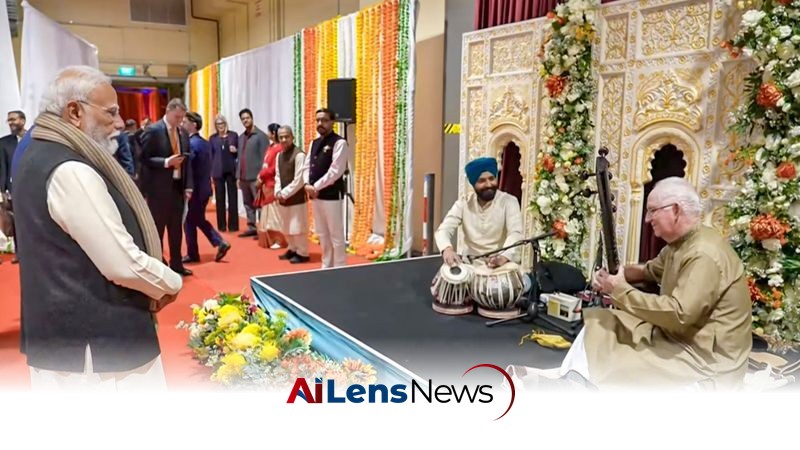


During his address in New Zealand, PM Modi emphasized various Sikh initiatives, including the Golden Temple's FCRA and the Hemkund ropeway project.
New Delhi, India Jul 12, 2026 ALN: In a significant address delivered in New Zealand, Prime Minister Narendra Modi spotlighted several initiatives aimed at promoting Sikh heritage and culture. His remarks included a focus on the Golden Temple's Foreign Contribution Regulation Act (FCRA) status and the ambitious Hemkund ropeway project. These initiatives illustrate the Indian government's ongoing efforts to engage with the Sikh community, both domestically and within the diaspora, and to enhance the visibility and accessibility of Sikh cultural landmarks.
PM Modi began his address by recounting the sacred journey of Jore Sahib, which is deeply associated with Guru Gobind Singh, the tenth Sikh Guru. This narrative not only highlights the spiritual significance of the site but also underscores the importance of preserving Sikh history and culture. The journey to Jore Sahib, often undertaken by devotees, symbolizes the resilience and faith of the Sikh community. By referencing this pilgrimage, Modi aims to connect with the emotional and spiritual sentiments of Sikhs worldwide, reinforcing a sense of unity and shared heritage.
The Sikh community has a rich history that is intertwined with the broader narrative of India’s cultural and spiritual evolution. The teachings of the Sikh Gurus advocate for equality, community service, and justice, values that resonate deeply within the modern context of global citizenship. By promoting these values, Modi’s address serves not only to honor Sikh traditions but also to encourage a dialogue about their relevance in today’s world.
One of the key points in Modi's address was the Golden Temple's compliance with the FCRA, which allows it to receive foreign donations legally. This status is crucial for the temple's ongoing projects and initiatives aimed at serving the community and promoting Sikh values globally. The Golden Temple, or Harmandir Sahib, is not only a religious site but also a symbol of the Sikh faith and its principles of inclusivity and service.
The FCRA status enables the Golden Temple to maintain its operations and expand its outreach initiatives, which include community kitchens (langars) that serve free meals to thousands of visitors daily. These kitchens exemplify the Sikh principle of selfless service and community support, and the ability to receive foreign donations can significantly enhance their capacity to serve. The temple's compliance with the FCRA also reflects the Indian government's recognition of the importance of such institutions in promoting social welfare and cultural diplomacy.
Moreover, the FCRA status is part of a broader framework that governs how religious and charitable organizations in India can receive foreign funding. It aims to ensure transparency and accountability in the use of such funds, which is essential for maintaining public trust and confidence in these institutions. By highlighting this aspect, Modi underscores the government's commitment to supporting religious institutions while ensuring they operate within a regulated framework.
The Prime Minister also announced plans for a ropeway project to Hemkund Sahib, a revered pilgrimage site for Sikhs. This initiative aims to enhance accessibility for pilgrims, making it easier for devotees to reach this sacred location nestled in the Himalayas. Hemkund Sahib, located at an altitude of over 4,600 meters, is known for its stunning natural beauty and spiritual significance, being the site where Guru Gobind Singh is believed to have meditated in his previous life.
The construction of a ropeway is expected to significantly reduce the physical strain on pilgrims, many of whom undertake challenging treks to reach the shrine, especially the elderly and those with mobility issues. By facilitating easier access, the project aims to boost pilgrimage numbers, which in turn can stimulate local economies through increased tourism. The influx of visitors can provide economic opportunities for local businesses, including hospitality, food services, and handicrafts, thus contributing to the overall development of the region.
Additionally, the Hemkund ropeway project aligns with the Indian government's broader tourism strategy, which seeks to promote India's diverse cultural and religious heritage as key attractions. By investing in infrastructure that supports pilgrimage tourism, the government aims to highlight the spiritual richness of the country while also fostering economic growth in remote areas.
Modi's address was not just a reflection of government initiatives but also a gesture towards strengthening ties with the Sikh diaspora in New Zealand and around the world. By emphasizing these projects, he aims to foster a sense of pride and connection among Sikhs globally. The Sikh community, which has a significant presence in countries like Canada, the United States, and the United Kingdom, plays an important role in promoting Indian culture and values abroad.
The diaspora's engagement with their heritage can often be influenced by the Indian government's initiatives. By supporting projects that resonate with the community's values, such as the Golden Temple's FCRA and the Hemkund ropeway, the government not only strengthens cultural ties but also encourages the diaspora to maintain connections with their roots. This can lead to increased cultural exchange, tourism, and investment in India from the Sikh community abroad.
Furthermore, Modi's address reflects a broader political strategy to engage with minority communities in India and abroad. By acknowledging the contributions and significance of the Sikh community, the government aims to build goodwill and support among these groups, which can be crucial in the context of India's diverse and multi-religious society.
Through his address, PM Modi has reiterated the Indian government's commitment to promoting Sikh heritage and facilitating initiatives that resonate with the community's values and beliefs. The focus on the Golden Temple's FCRA and the Hemkund ropeway project exemplifies a broader strategy to enhance the Sikh experience both in India and abroad. These initiatives not only serve to preserve and promote Sikh culture but also reflect the government's recognition of the importance of inclusive development and cultural diplomacy in fostering national unity and pride.
As the Indian government continues to engage with the Sikh community, both domestically and internationally, the implications of such initiatives are far-reaching. They not only enhance the accessibility of significant cultural sites but also strengthen the ties between India and its diaspora, fostering a sense of belonging and shared identity among Sikhs around the world. The successful implementation of these projects could serve as a model for similar initiatives aimed at other cultural and religious communities, further enriching India's diverse tapestry of traditions and values.
To learn more about the latest developments in Sikhism, stay updated with our exclusive reports and analyses on AiLensNews.

