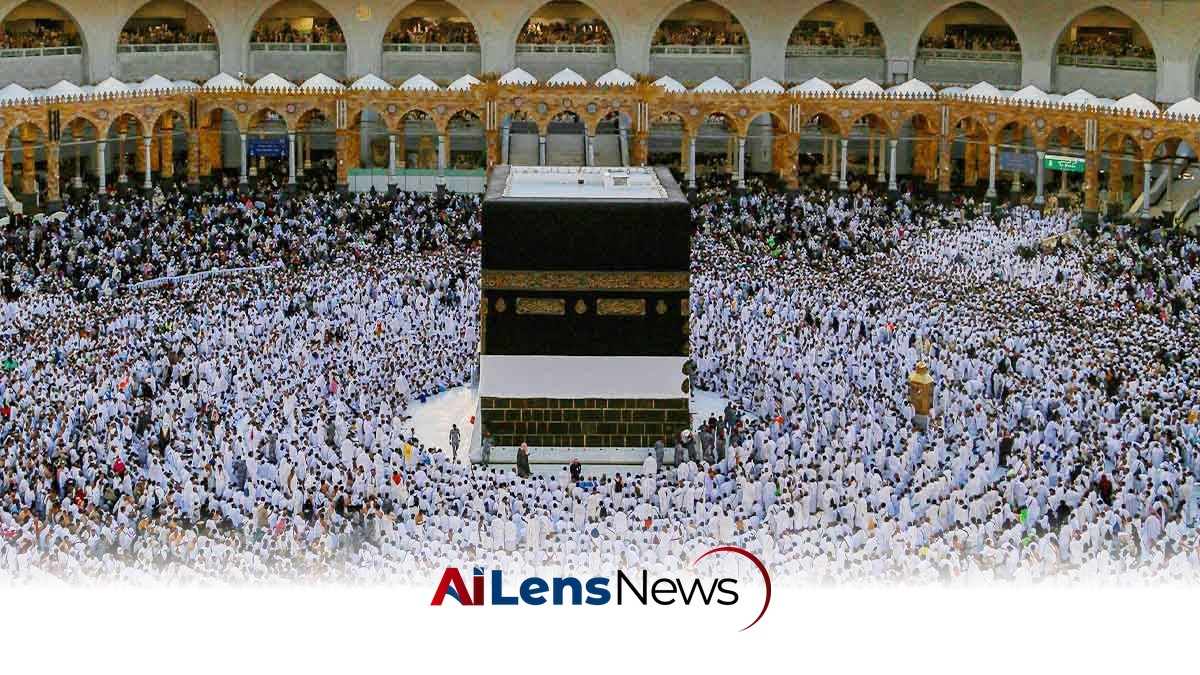


The Kingdom of Saudi Arabia reported a significant increase in Umrah visa arrivals, welcoming over 931,500 pilgrims in the early phase of the 1448 AH Umrah season.
Doha, Qatar Jul 19, 2026 ALN: Saudi Arabia recorded a 22.5 per cent increase in Umrah visa arrivals at the start of the 1448 AH Umrah season, with 931,500 pilgrims entering the Kingdom on Umrah visas between 15 Dhul Hijjah and the end of Muharram, the Ministry of Hajj and Umrah and the Pilgrim Experience Programme announced.
The two entities also said more than 1.27 million pilgrims arrived from abroad during the same period, reflecting continued growth in the Kingdom’s Umrah sector as part of the goals of Saudi Vision 2030 and the Pilgrim Experience Programme. This surge in arrivals is indicative of a broader trend that has been observed in recent years as Saudi Arabia seeks to enhance its status as a leading destination for Islamic pilgrimage.
The Umrah pilgrimage, which can be undertaken at any time of the year, has been increasingly popular among Muslims worldwide. The Kingdom's efforts to facilitate and promote this pilgrimage align with its Vision 2030 initiative, which aims to diversify the economy and reduce its reliance on oil revenues by boosting sectors such as tourism. The Vision 2030 framework includes specific targets for increasing the number of Umrah pilgrims, which is seen as a vital component in achieving the Kingdom's broader economic and social goals.
The ministry stated that these figures underscore the leadership’s continued support for serving pilgrims and the ongoing coordination among government agencies. Continuous improvements to digital and operational services aim to enhance the experience of Umrah pilgrims and visitors. This includes the introduction of new technologies and streamlined processes that facilitate the visa application and approval process, making it easier for pilgrims to plan their journeys.
According to the ministry, 75 per cent of overseas Umrah pilgrims entered the Kingdom through airports, while the remaining 25 per cent arrived via land and sea ports. This distribution highlights the importance of air travel in accommodating the influx of pilgrims, as well as the strategic significance of land and sea routes that connect Saudi Arabia with neighboring countries. The Kingdom has invested heavily in its transportation infrastructure to ensure that pilgrims can travel efficiently and comfortably.
Pakistan ranked first among source countries, contributing about 200,000 Umrah pilgrims, followed by Indonesia with 170,000 and Iraq with 130,000. This demographic breakdown of pilgrims reflects longstanding cultural and religious ties between these countries and Saudi Arabia, as well as the logistical considerations that influence pilgrimage patterns. The significant number of pilgrims from Pakistan, in particular, underscores the strong demand for Umrah services in the region, which has been further fueled by the growing middle class and increased disposable incomes among Pakistani citizens.
The ministry emphasized its commitment to enhancing digital and operational services, improving access to services, and increasing operational efficiency to provide a smoother, higher-quality Umrah journey from trip planning through to departure. This includes initiatives such as mobile applications that allow pilgrims to book accommodations, transportation, and other services with ease. Furthermore, the Pilgrim Experience Programme aims to ensure that all aspects of the pilgrimage are catered to, from health and safety measures to cultural sensitivity and hospitality.
The increase in Umrah visa arrivals also has significant implications for the local economy. The influx of pilgrims leads to increased demand for a wide range of services, including hotels, restaurants, transportation, and retail. This economic boost is particularly important for the regions surrounding the holy cities of Mecca and Medina, where many businesses rely heavily on the pilgrimage economy. The Saudi government has recognized the potential of this sector and is actively working to create a welcoming environment for pilgrims, which in turn is expected to stimulate job creation and investment opportunities.
Moreover, the surge in Umrah pilgrims can be seen as part of a larger trend towards the globalization of Islamic tourism. As Muslims from various regions of the world seek to perform Umrah, the Kingdom is adapting its services to cater to diverse cultural backgrounds and preferences. This includes providing multilingual support and culturally relevant services that enhance the overall experience for international pilgrims.
In addition to the economic and cultural implications, the rise in Umrah pilgrimages also raises questions about sustainability and the environmental impact of increased tourism. The Saudi government is aware of these challenges and is taking steps to ensure that the growth in pilgrimage tourism is managed responsibly. This includes initiatives aimed at minimizing the ecological footprint of the pilgrimage and ensuring that the infrastructure can support the growing number of visitors without compromising the quality of the experience.
As the Umrah season progresses, it will be crucial for Saudi authorities to maintain the momentum of these positive trends while addressing the challenges that come with increased visitation. Continuous evaluation and adaptation of services, along with a focus on health and safety, will be essential to ensure that the experience remains positive for all pilgrims. The ongoing efforts to enhance the Umrah experience reflect the Kingdom's commitment to its role as a leader in the Islamic world and its dedication to serving the needs of millions of pilgrims each year.
In conclusion, the record number of Umrah visa arrivals signifies not only the success of Saudi Arabia's initiatives to promote pilgrimage but also highlights the importance of this sector in the Kingdom's broader economic and cultural landscape. As the country continues to evolve and expand its offerings to pilgrims, it will be essential to balance growth with sustainability to ensure that the sacred traditions of pilgrimage are preserved for future generations.
To learn more about the latest developments in Islam, stay updated with our exclusive reports and analyses on AiLensNews.

