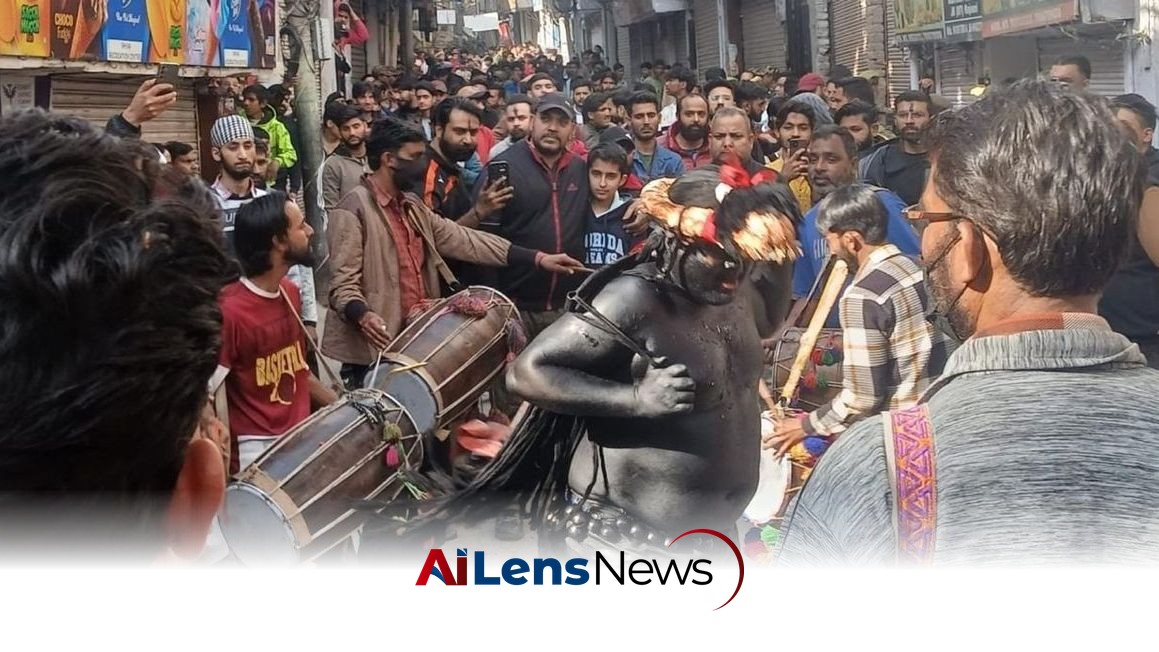


Lieutenant Governor Manoj Sinha praises the inclusion of Bhairav Yatra in India's National Inventory of Intangible Cultural Heritage, highlighting its cultural significance.
Leh, India Jul 16, 2026 ALN: Lieutenant Governor Manoj Sinha on Wednesday extended his heartiest congratulations to the Rajouri District Administration and the Department of Culture, J&K, on the inclusion of the historic Bhairav Yatra of Rajouri in the National Inventory of Intangible Cultural Heritage (ICH) of India.
In a post on X, the Lieutenant Governor expressed, "Proud moment for Rajouri! The district's historic Bhairav Yatra has officially been added to the National Inventory of Intangible Cultural Heritage of India. Congratulations to the Rajouri District Administration and the J&K's Department of Culture for turning this dream into a reality."
This prestigious recognition will significantly aid in documenting, preserving, and celebrating the area's deep spiritual and cultural roots. The national honor validates the generations of devotees who have kept this tradition alive. The Bhairav Yatra, as a significant cultural event, is not merely a religious pilgrimage but a vibrant celebration that encapsulates the essence of local traditions, community spirit, and collective identity.
The inclusion of Bhairav Yatra in the National Inventory of Intangible Cultural Heritage will strengthen Rajouri's unique cultural footprint on the national stage. It will also pave the way for research, cultural exchange, and sustainable heritage tourism. Such recognition not only honors the tradition but also encourages future generations to engage with and appreciate their cultural heritage. This can lead to a revival and reinforcement of local customs, rituals, and arts that are integral to the community's identity.
The Bhairav Yatra is an annual pilgrimage that attracts numerous devotees and tourists alike, showcasing the spiritual significance of the Bhairav deity, who is revered in various forms across India. The Yatra involves a series of rituals, prayers, and communal gatherings that reflect the rich tapestry of local culture and traditions. It is typically marked by vibrant processions, traditional music, and dance, which serve to engage the community and foster a sense of belonging among participants. The event often includes elaborate offerings, ceremonial practices, and the participation of local leaders and spiritual figures, adding to its communal importance.
Historically, the Bhairav Yatra has roots that can be traced back several centuries, with local legends and oral histories contributing to its significance. The pilgrimage not only serves a religious purpose but also acts as a platform for cultural expression, where local artisans, musicians, and dancers showcase their talents, thus preserving and promoting the intangible cultural heritage of the region. The Yatra has evolved over time, reflecting changes in societal values, artistic expressions, and community dynamics, yet it has retained its core essence as a celebration of faith and culture.
The recognition by the National Inventory of Intangible Cultural Heritage is part of India's broader efforts to safeguard its diverse cultural heritage. The Intangible Cultural Heritage (ICH) framework, as defined by UNESCO, encompasses practices, representations, expressions, knowledge, and skills that communities recognize as part of their cultural heritage. This includes oral traditions, performing arts, social practices, rituals, and festive events, all of which are vital for maintaining cultural diversity in the face of globalization. India's commitment to preserving its intangible cultural heritage is evident in various initiatives aimed at documenting, promoting, and safeguarding these practices to ensure they are passed down through generations.
The process of inclusion in the National Inventory involves rigorous documentation and evaluation to ensure that the cultural practices meet specific criteria. This includes the active participation of the community in safeguarding their heritage, as well as a demonstration of the practice's significance to the identity of the community. The Bhairav Yatra’s inclusion thus reflects not only its historical and cultural importance but also the commitment of local communities to preserve their traditions. This process often requires collaboration between local stakeholders, cultural experts, and government entities to create a comprehensive understanding of the practices being recognized.
With this recognition, Rajouri is expected to see an increase in cultural tourism, as visitors may be drawn to experience the Bhairav Yatra firsthand. This can have positive implications for the local economy, providing opportunities for local businesses and artisans to thrive. The increased footfall can also lead to greater awareness and appreciation of the region's cultural heritage, encouraging both locals and tourists to engage more deeply with the traditions that define Rajouri. By fostering a tourism model that respects and promotes local culture, the region can benefit economically while ensuring the preservation of its unique heritage.
Moreover, the recognition serves as an important reminder of the need for sustainable practices in tourism development. As more visitors come to participate in the Yatra, it is crucial to ensure that the cultural and environmental integrity of the region is maintained. This includes managing the impact of increased tourism on local communities and ecosystems, and ensuring that the benefits of tourism are equitably distributed among those who contribute to the cultural heritage. Sustainable tourism practices can help mitigate the potential negative impacts of increased visitor numbers, such as environmental degradation and cultural commodification, allowing the Bhairav Yatra to flourish without compromising its authenticity.
In addition to economic benefits, the inclusion of Bhairav Yatra in the National Inventory of Intangible Cultural Heritage can foster a sense of pride among the local population. It can encourage community members to actively participate in the preservation and promotion of their cultural practices, thereby ensuring that future generations inherit a rich cultural legacy. Initiatives can be developed to involve youth in the Yatra, educating them about its significance and encouraging them to take on roles in its organization and performance. Such involvement can inspire a new generation to appreciate their heritage and contribute to its continuity.
Furthermore, the recognition might lead to collaborative efforts with academic institutions and cultural organizations, facilitating research and documentation of the Yatra and its associated practices. Such collaborations can help create educational resources that highlight the importance of intangible cultural heritage, not only in Rajouri but also across India. By partnering with scholars and cultural practitioners, the Yatra can gain visibility and support, fostering a deeper understanding of its significance both locally and nationally.
In conclusion, the recognition of the Bhairav Yatra as a national intangible cultural heritage is a significant milestone for Rajouri and its people. It honors the dedication of generations of devotees and cultural practitioners while opening new avenues for cultural exchange, tourism, and community engagement. As the Yatra continues to evolve, it is essential to balance the preservation of tradition with the opportunities presented by modernity, ensuring that this vibrant cultural practice remains a living heritage for years to come. The acknowledgment of Bhairav Yatra not only enriches the cultural landscape of India but also reinforces the importance of safeguarding diverse cultural expressions in a rapidly changing world.
To learn more about the latest developments in Religious Events, stay updated with our exclusive reports and analyses on AiLensNews.

