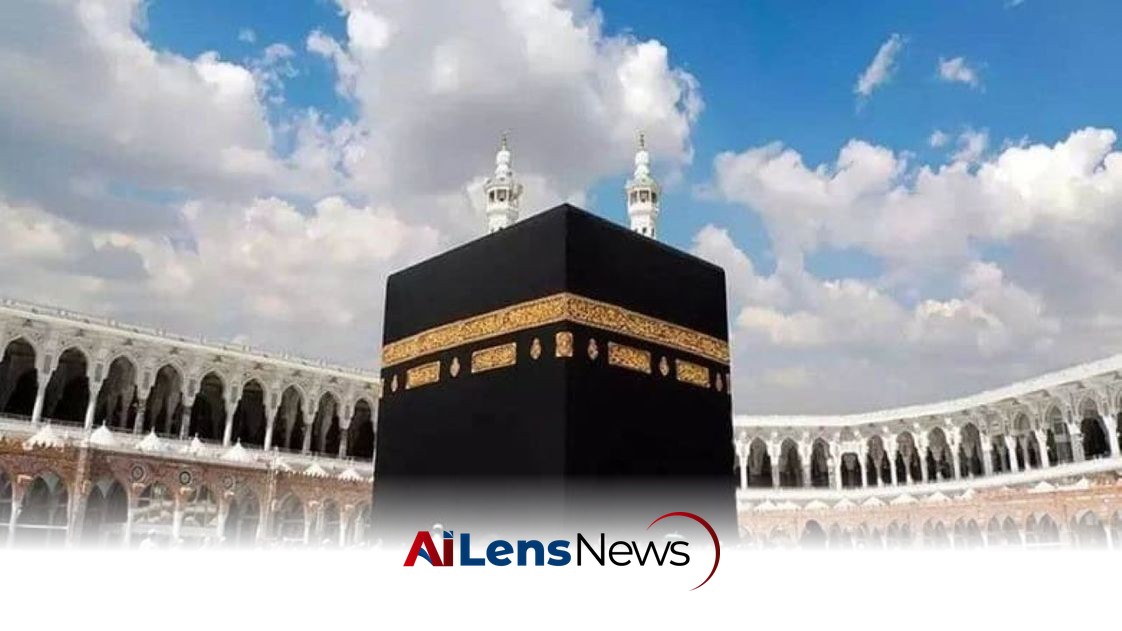


The number of Haj applicants from Jammu and Kashmir has dropped significantly due to rising costs, with only 2,600 applications received for Haj-2027.
Srinagar, India Jul 16, 2026 ALN: The persistent decline in Haj applications in Jammu and Kashmir has been attributed to the rising cost of the pilgrimage, with officials stating that only 2,600 aspirants have applied for Haj-2027 so far despite just six days remaining before the July 20 deadline.
Executive Officer of the J&K Haj Committee, Dr Shujaat Ahmad Qureshi, informed Rising Kashmir that the number of applications has witnessed a steady decline since 2023, when over 12,000 pilgrims from Jammu and Kashmir performed Haj. "Only around 2,600 applications have been received so far, with six days still left. We have been witnessing a significant decline in the number of Haj applicants after 2023. The biggest reason is the rising cost of the pilgrimage," he stated.
The officer elaborated that the financial burden of the pilgrimage has become increasingly daunting for many families. In 2026, pilgrims from Jammu and Kashmir paid approximately ₹4.18 lakh for Haj, a substantial amount that many families find difficult to manage. The increase in Haj charges has been attributed to several factors, including general inflation of nearly 7 percent, the withdrawal of the Haj subsidy after 2018, and the appreciation of the Saudi Riyal against the Indian Rupee over the years.
The Haj subsidy, which was previously provided by the Indian government to assist pilgrims in covering their travel costs, was eliminated in 2018 as part of a broader effort to streamline the Haj process and promote self-sufficiency among pilgrims. This decision has had lasting implications, as it has made the pilgrimage significantly more expensive for many families, particularly in regions like Jammu and Kashmir where economic conditions can be challenging. The withdrawal of the subsidy has not only increased the financial burden on families but has also necessitated a reevaluation of how the pilgrimage is approached by potential pilgrims.
Dr Qureshi noted that the trend of declining applications is not confined to Jammu and Kashmir alone. Several Northern States have reported applications falling below their allotted Haj quota, in stark contrast to many southern states where demand continues to remain robust. "In many Northern States, the applications remain below the allotted quota and the unutilised quota is later redistributed to states where demand is higher," he explained. This redistribution process highlights the regional disparities in pilgrimage participation and raises questions about accessibility and affordability in different parts of the country, especially given that the cultural significance of the Haj pilgrimage is universally acknowledged among Muslims.
Furthermore, Dr Qureshi explained the higher travel costs associated with flying from Srinagar. The embarkation point in Srinagar is comparatively more expensive due to its status as a defense airport. This limitation means that Saudi Airlines cannot participate in the tendering process for flights from Srinagar, resulting in reduced competition among airlines and consequently higher airfare for pilgrims. The lack of affordable flight options can deter potential applicants, further exacerbating the decline in Haj applications. This situation is particularly critical for families who are already grappling with economic challenges, as the costs associated with air travel can significantly affect their decision to apply for the pilgrimage.
In an effort to address this decline, the Haj Committee has been actively engaging with religious clerics and scholars to encourage eligible Muslims to apply for Haj. Dr Qureshi emphasized the importance of outreach, stating, "Those who are financially well-off and have the desire to perform Haj should submit their applications before the July 20 deadline." This initiative aims to raise awareness about the spiritual significance of the pilgrimage and motivate more individuals to consider participating despite the financial challenges. The role of community leaders in this outreach is pivotal, as they can help to reinforce the cultural and spiritual importance of the pilgrimage, thereby inspiring potential pilgrims to overcome financial barriers.
As of now, only 2,600 applications have been received against the total quota of 8,000 for Jammu and Kashmir. The Haj-2027 application process commenced on June 22 and will conclude on July 20. The stark contrast between the number of applications received and the available quota raises concerns about the future of the pilgrimage in the region. The implications of this decline extend beyond individual families to the broader community. The Haj pilgrimage is not only a significant religious obligation for Muslims but also a cultural and social event that fosters a sense of unity and shared identity among participants. The reduced number of pilgrims may diminish the communal aspect of the pilgrimage experience and impact the local economy, which benefits from the influx of pilgrims traveling to and from the region.
Moreover, the ongoing economic challenges faced by families in Jammu and Kashmir highlight the need for supportive measures to ensure that the spiritual aspirations of the community are not hindered by financial constraints. As the Haj Committee navigates these challenges, it may be necessary to explore alternative solutions, such as financial assistance programs, partnerships with airlines to reduce travel costs, or advocacy for the reinstatement of some form of subsidy to make the pilgrimage more accessible. The need for such measures is underscored by the fact that the Haj pilgrimage is not just a personal journey but a collective experience that strengthens community ties and fosters a sense of belonging among participants.
In conclusion, the decline in Haj applications from Jammu and Kashmir underscores a complex interplay of economic factors, regional disparities, and the spiritual significance of the pilgrimage. As the July 20 deadline approaches, the community and relevant authorities must work collaboratively to address these issues, ensuring that the opportunity to perform Haj remains within reach for all eligible Muslims in the region. The future of the pilgrimage experience in Jammu and Kashmir will depend on the collective efforts of the community, government agencies, and religious organizations to facilitate access to this vital spiritual journey, thereby preserving the cultural and religious heritage that the Haj represents for Muslims worldwide.
To learn more about the latest developments in Islam, stay updated with our exclusive reports and analyses on AiLensNews.

