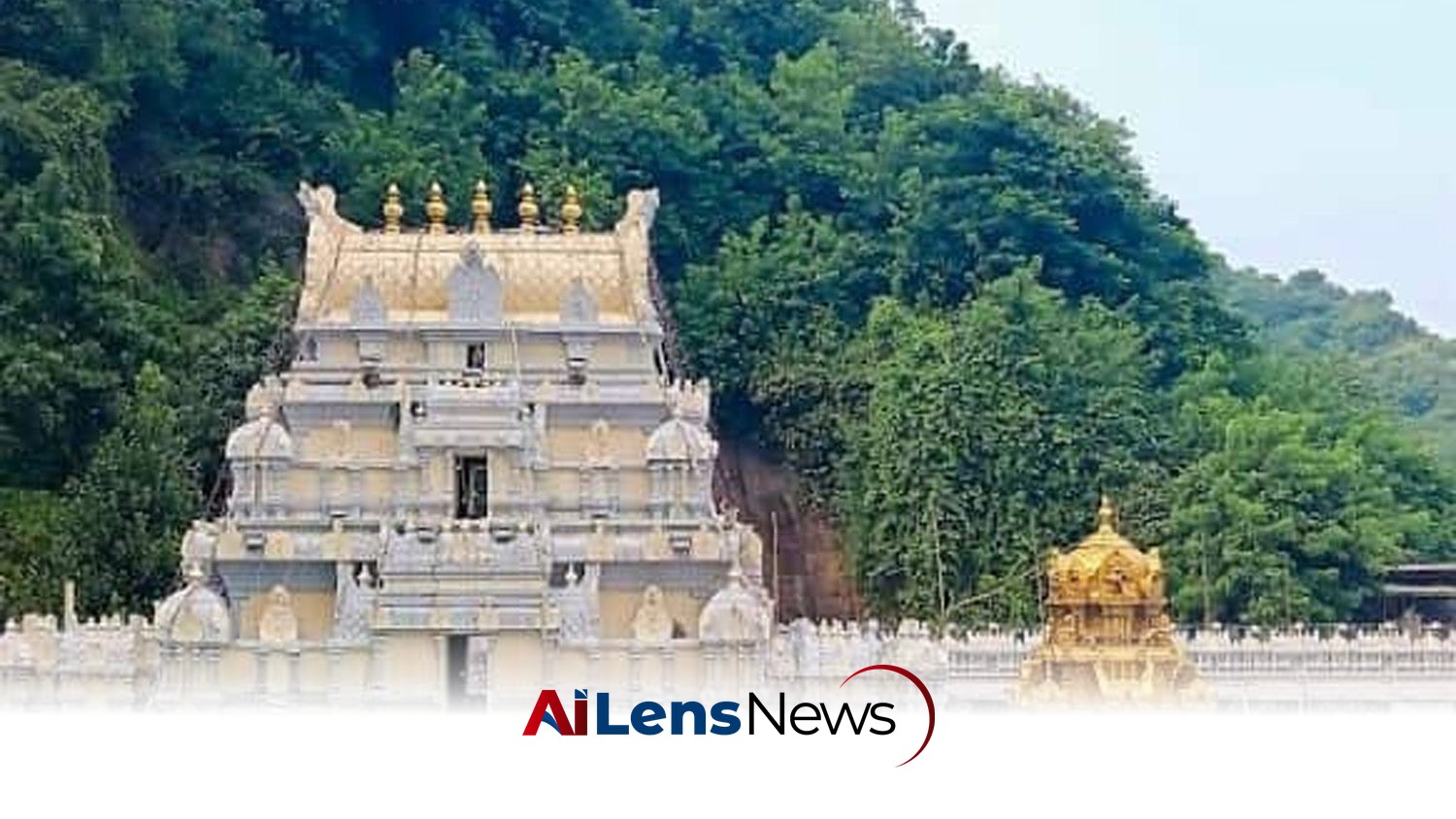


The Sri Durga Malleswara Swamy Temple in Vijayawada enhances pilgrim experience by adopting 'Jai Bhavani' as a greeting and implementing infrastructure improvements.
New Delhi, India Jul 31, 2026 ALN: Vijayawada: In a strategic effort to enhance the overall pilgrim experience at one of the most revered temples in India, the Executive Officer V.K. Seena Naik of the Sri Durga Malleswara Swamy Temple, located atop the Indrakeeladri hill in Vijayawada, has announced a new initiative that includes the introduction of a devotional salutation for devotees. The staff of the shrine will now greet pilgrims with the phrase "Jai Bhavani," a call sign intended to foster a more spiritual atmosphere within the temple precincts. This initiative is part of a broader plan to improve the infrastructure and facilities available to the thousands of devotees who visit the temple each year.
The temple, dedicated to Goddess Durga, is a significant pilgrimage site for many Hindus, particularly during the festival of Navaratri, when it sees an influx of devotees from across the country. The introduction of the "Jai Bhavani" greeting is not merely a ceremonial gesture; it is aimed at reinforcing the temple's spiritual ambiance and cultivating a sense of community and devotion among the visitors. By encouraging staff to address pilgrims with this salutation, the administration hopes to create a welcoming environment that enhances the overall experience of worship.
During a recent inspection of the temple premises, Seena Naik emphasized the importance of treating all devotees with courtesy, patience, and respect. He highlighted that the manner in which temple staff interact with visitors can significantly influence their spiritual experience. This directive is particularly pertinent in a temple setting, where the atmosphere of reverence and devotion is paramount. The EO's insistence on respectful interaction underscores a commitment to maintaining the sanctity and dignity of the temple as a place of worship.
A point of concern raised during the inspection was the lax enforcement of the ban on carrying mobile phones into the temple. Seena Naik expressed his strong discontent with the current situation, making it clear that the prohibition of mobile phones inside the temple should be strictly enforced. The use of mobile phones can often disrupt the spiritual environment, and the EO's directive aims to preserve the sanctity of the worship experience. This measure is expected to minimize distractions and help devotees focus on their prayers and rituals without the interference of technology.
The EO also took the opportunity to review the facilities available for devotees participating in various pujas and sevas. It has been observed that during peak hours, pilgrims often face significant difficulties in navigating the temple, particularly in reaching the puja mandapams. To address this issue, Seena Naik ordered immediate action to streamline movement within the temple complex. This decision reflects an understanding of the logistical challenges faced by devotees, particularly during busy periods, and aims to enhance accessibility to the worship areas.
In response to the congestion often experienced, a new arrangement will be implemented whereby devotees attending pujas will no longer have to pass through the main temple. Instead, a dedicated queue line will be established from the Lakshmi Ganapathi Temple through the Subrahmanya Swamy Temple, allowing for direct access to the puja venues. This change is expected to significantly reduce the crowding in the main temple area, thus improving the flow of visitors and allowing for a more organized experience for those participating in rituals.
In order to facilitate smoother movement of devotees entering and leaving the temple, Seena Naik has directed officials to construct a new ramp and widen the exit pathway. These infrastructural improvements are anticipated to alleviate congestion and provide easier access for worshippers who are participating in archanas and other rituals. The focus on physical accessibility is particularly important in a temple that attracts a diverse range of visitors, including the elderly and those with mobility issues.
The inspection was attended by several key officials, including assistant executive officer Ramesh, executive engineer Rama, deputy executive engineer Ashok Kumar, and Sthanacharya Sivaprasad Sharma. Their presence underscores the collaborative effort required to implement these changes effectively. Each of these officials plays a crucial role in the management and operation of the temple, and their involvement in the inspection highlights the importance of teamwork in addressing the needs of the temple and its visitors.
The Sri Durga Malleswara Swamy Temple has a rich history and cultural significance, not only for the local population but also for devotees from various regions of India. The temple is perched on the Indrakeeladri hill, which adds to its spiritual allure and scenic beauty. The initiatives introduced by the temple administration aim to preserve this sacred space while making it more accessible and welcoming to all devotees. As the temple continues to evolve and adapt to the needs of its visitors, the changes being implemented reflect a commitment to enhancing the spiritual experience while maintaining the temple's revered traditions.
The implications of these changes extend beyond mere logistical improvements; they speak to a broader trend within religious institutions to adapt to modern challenges while preserving traditional values. In an era where the spiritual experience can sometimes be overshadowed by logistical issues, the Sri Durga Malleswara Swamy Temple's proactive approach serves as a model for other religious sites facing similar challenges. By prioritizing the needs of devotees and creating a more organized worship environment, the temple administration is working to ensure that the sacred experience remains at the forefront of the pilgrimage journey.
As the temple prepares for upcoming festivals and increased visitor traffic, these initiatives are expected to play a crucial role in enhancing the overall experience for all who seek solace and spiritual fulfillment at this revered site. The introduction of the "Jai Bhavani" greeting, coupled with infrastructural improvements, signifies a thoughtful approach to temple management that prioritizes the needs and experiences of devotees.
To learn more about the latest developments in Religious Events, stay updated with our exclusive reports and analyses on AiLensNews.

