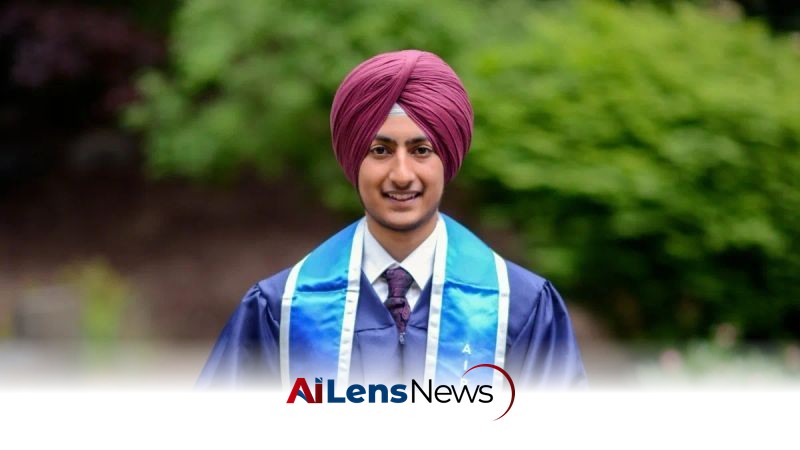


Chirag Veer Singh Sarao makes history as the first 'keshdhari' Sikh-American to join the US Air Force Academy, receiving full ROTC scholarships.
New Delhi, India Jul 14, 2026 ALN: Chirag Veer Singh Sarao has made history by becoming the first 'keshdhari' Sikh-American to join the United States Air Force Academy. This landmark achievement not only highlights his personal dedication but also represents a significant moment for the Sikh community in the United States, which has been striving for greater representation and acceptance in various fields, including the military. Sarao's entry into such a prestigious institution is a powerful symbol of progress, reflecting broader societal changes regarding diversity and inclusion.
Born and raised in a Sikh family, Sarao has always been proud of his heritage. His commitment to both his faith and his country has driven him to pursue a career in the military, a path that is often challenging for individuals who wear turbans due to military regulations. The U.S. military has historically had strict grooming standards, which posed challenges for Sikh service members who wish to maintain their religious practices. However, Sarao's determination and resilience have paved the way for him to achieve this remarkable milestone, demonstrating that it is possible to serve while remaining true to one's beliefs. This achievement is not just personal; it represents a shift in military culture towards greater acceptance of diversity.
Sarao's academic journey has been impressive. He graduated with honors from high school, showcasing not only his academic prowess but also his leadership skills. His dedication earned him full scholarships from both the Air Force Reserve Officers’ Training Corps (ROTC) and the Naval ROTC, further solidifying his commitment to serving his country. These scholarships are not merely financial aids; they are a testament to his hard work and determination, allowing him to focus on his studies and military training without the burden of financial stress. The significance of these scholarships extends beyond individual benefit; they also reflect the military's recognition of the potential contributions of diverse candidates.
In addition to his academic achievements, Sarao has been actively involved in various extracurricular activities, which have helped him develop essential skills for a successful military career. His participation in leadership programs, community service, and sports has equipped him with a well-rounded skill set that will serve him well at the Air Force Academy. Such involvement is crucial, as the military values individuals who can work well in teams, demonstrate leadership, and contribute positively to their communities. This holistic approach to education and personal development is vital for cultivating future leaders who can navigate the complexities of military service.
Chirag's acceptance into the Air Force Academy is particularly significant as it breaks barriers for future Sikh-Americans who aspire to serve in the military while adhering to their religious beliefs. His journey serves as an inspiration to many, demonstrating that it is possible to honor one's faith while fulfilling one's duties as a citizen. This achievement also opens up discussions about the need for more inclusive policies within the military that respect and accommodate the diverse backgrounds of service members. The potential for policy change is critical, as it could lead to a more inclusive environment where individuals can serve authentically.
Historically, Sikhs have faced challenges in the U.S. military due to their distinct religious practices, including the wearing of turbans and maintaining unshorn hair. The military's grooming standards have been a point of contention, and Sarao's success could signal a shift towards more inclusive practices. His achievement may encourage military leaders to reconsider existing policies and embrace a more diverse and representative force. The implications of this shift could resonate beyond the military, influencing societal perceptions of religious diversity and acceptance.
The Sikh community has rallied around Sarao, celebrating his achievements and expressing pride in his accomplishments. Community leaders have emphasized the importance of representation in the military, noting that Sarao's success could encourage more young Sikhs to consider careers in the armed forces. The support from the community is not only emotional but also practical, as local organizations are likely to provide mentorship and resources to help young Sikhs navigate the complexities of military service. This community backing is essential for fostering a sense of belonging and support for individuals pursuing similar paths.
In addition to local support, national Sikh organizations have recognized Sarao's achievement as a pivotal moment for the community. They have highlighted the need for continued advocacy for policy changes that would allow Sikhs and other religious minorities to serve openly without compromising their beliefs. This collective support underscores the importance of representation and the impact it can have on younger generations who may feel torn between their cultural identity and career aspirations. The visibility of figures like Sarao can help bridge the gap between cultural heritage and professional ambitions.
Looking ahead, Sarao aims to not only excel in his military career but also to advocate for inclusivity and diversity within the armed forces. He hopes to serve as a role model for others, proving that dedication and hard work can lead to success, regardless of one's background. By sharing his story and experiences, Sarao can inspire future generations of Sikh-Americans and other minority groups to pursue their dreams, regardless of the obstacles they may face. This aspiration to inspire and mentor others reflects a broader commitment to social responsibility and community engagement.
Moreover, Sarao's journey emphasizes the importance of mentorship and community support in achieving personal and professional goals. As he navigates the challenges of military training and education, he may also take on the role of mentor for younger Sikhs who look up to him. His presence at the Air Force Academy could lead to increased awareness and dialogue about the challenges faced by minority service members, ultimately fostering a more inclusive environment. The potential for Sarao to influence change within the military and inspire others cannot be overstated, as he embodies the values of perseverance and dedication.
As he embarks on this new chapter at the Air Force Academy, Chirag Veer Singh Sarao stands as a beacon of hope and perseverance, embodying the spirit of both his faith and his country. His journey is a reminder that the pursuit of one's dreams can coexist with the practice of one's faith, and that diversity in the military enriches the fabric of the armed forces. As more individuals like Sarao enter the military, the hope is that the U.S. Armed Forces will continue to evolve, embracing the rich tapestry of cultures and beliefs that make up the nation. Sarao's story is not just about personal achievement; it is a reflection of a larger movement towards inclusivity and acceptance in all spheres of American life.
To learn more about the latest developments in Sikhism, stay updated with our exclusive reports and analyses on AiLensNews.

