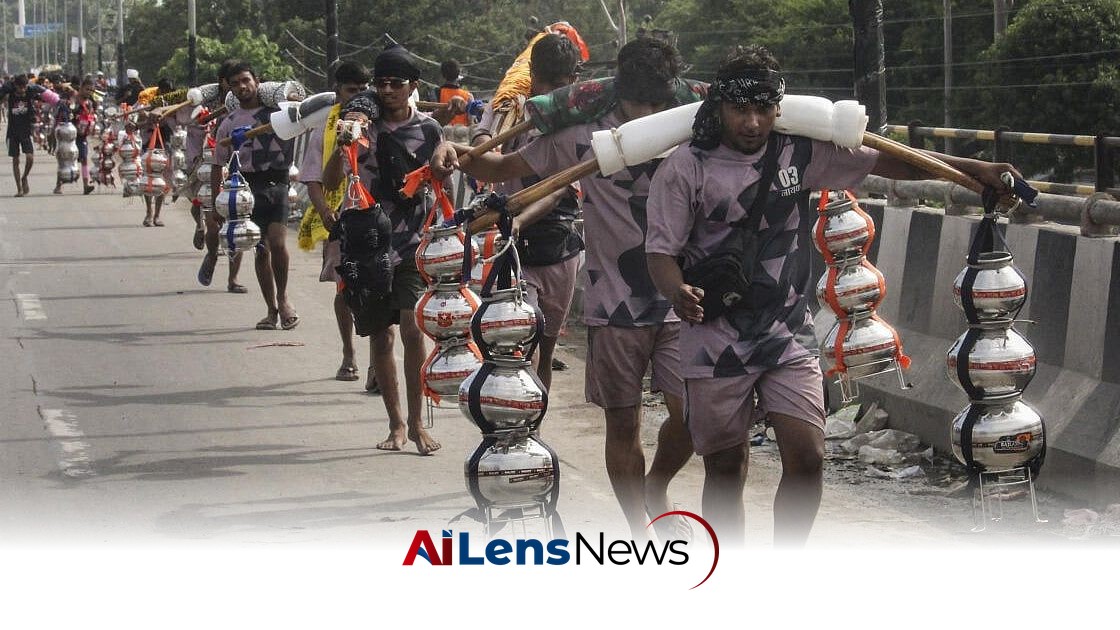


Ahead of the Kanwar Yatra, Baghpat police have established rules limiting DJ setups to 10 feet and sound levels to 75 decibels, urging pilgrims to maintain peace.
New Delhi, India Jul 27, 2026 ALN: The Kanwar Yatra, an annual pilgrimage undertaken by millions of devotees in India, particularly in states like Uttar Pradesh, has garnered significant attention in recent years due to its scale and the accompanying challenges related to public safety and order. This pilgrimage, dedicated to Lord Shiva, typically occurs during the Hindu month of Shravan, attracting a massive influx of devotees who travel by foot, often bearing kanwars—decorative structures that carry holy water from sacred rivers, primarily the Ganges, to their local Shiva temples. As the yatra approaches, the police in Baghpat, Uttar Pradesh, have taken proactive measures by issuing comprehensive guidelines aimed at ensuring a smooth and safe pilgrimage experience for all participants.
The guidelines released by the Baghpat Police are particularly focused on regulating the use of DJ setups and sound systems, which have become increasingly popular among pilgrims during the yatra. The authorities have stipulated that the maximum height for kanwars and DJ setups should not exceed 10 feet, while the width is capped at 12 feet. This regulation is likely aimed at preventing obstruction on roads and ensuring that the flow of pedestrian and vehicular traffic remains unhindered. Additionally, the sound levels for DJs and other sound systems have been limited to a maximum of 75 decibels, a measure intended to reduce noise pollution and maintain a respectful atmosphere during the pilgrimage.
In recent years, incidents of noise-related disturbances during religious processions have raised concerns among local communities and authorities alike. The imposition of a decibel limit reflects a growing recognition of the need to balance religious expressions with the rights of residents who may be adversely affected by excessive noise. The police statement emphasizes that adherence to these guidelines is crucial for preserving the sanctity of the yatra while also respecting the surrounding community.
Furthermore, the police have explicitly prohibited the carrying of weapons during the yatra. This includes items such as hockey sticks, baseball bats, clubs, swords, or any other type of weapon. The ban on weapons is a critical safety measure aimed at preventing potential violence or altercations during the pilgrimage. Such regulations underscore the authorities' commitment to ensuring that the yatra remains a peaceful and respectful event, free from the influence of aggression or hostility. The historical context of communal tensions in India adds weight to these measures, as past events have shown that large gatherings can sometimes escalate into conflicts.
In addition to the restrictions on DJ setups and weapons, the guidelines extend to the behavior of two-wheeler riders participating in the yatra. The use of modified silencers, pressure horns, and other devices that generate excessive noise has been banned. This move is particularly significant given the growing concerns about road safety and the potential for accidents during large gatherings. By limiting noise pollution from vehicles, the police aim to create a safer environment for both pilgrims and other road users, minimizing distractions that could lead to accidents.
The police have also made a broader appeal to pilgrims, urging them to adhere strictly to traffic regulations and comply with the instructions issued by the administration. This call for cooperation is essential, as the Kanwar Yatra typically sees a massive influx of devotees, which can strain local infrastructure and services. By encouraging compliance with traffic laws, the police hope to minimize disruptions and ensure that the yatra proceeds smoothly. The anticipated increase in foot traffic and vehicular movement necessitates a coordinated effort between the authorities and the public to maintain order and safety.
Moreover, the authorities have emphasized the importance of maintaining peace, harmony, and discipline throughout the pilgrimage. This appeal resonates deeply within the context of India's diverse cultural landscape, where religious celebrations often involve large gatherings that can sometimes lead to tensions among different community groups. The police's push for respect towards religious sentiments reflects an understanding of the delicate balance that must be maintained in a pluralistic society. The Kanwar Yatra, while primarily a Hindu event, occurs in a multicultural environment where sensitivity to the diverse beliefs of others is paramount.
The Kanwar Yatra itself has a rich historical and cultural significance, as it involves devotees carrying water from sacred rivers to their local Shiva temples. This act of devotion is often accompanied by singing, dancing, and community celebrations. However, the sheer scale of the event can lead to logistical challenges, including traffic congestion, public safety concerns, and the potential for communal tensions. The guidelines issued by the Baghpat Police represent a thoughtful approach to addressing these challenges while honoring the religious significance of the yatra. The pilgrimage not only serves as a spiritual journey for the devotees but also as an opportunity for community bonding and expression of faith.
As the yatra draws near, the implementation of these guidelines will be closely monitored by local law enforcement. Their effectiveness will depend not only on the adherence of the pilgrims but also on the cooperation of local communities and stakeholders. The success of the Kanwar Yatra this year will likely be viewed as a test case for how well authorities can manage large religious gatherings in a manner that respects both the rights of devotees and the needs of the broader community. The potential for conflict during such events underscores the importance of proactive measures and clear communication between authorities and participants.
In conclusion, the guidelines set forth by the Baghpat Police ahead of the Kanwar Yatra reflect a proactive approach to ensuring public safety and maintaining order during one of India's largest religious events. By imposing restrictions on noise levels, the use of weapons, and the behavior of participants, the authorities aim to foster an environment of peace and respect. As the yatra approaches, the cooperation of devotees and the community will be essential in achieving a successful and harmonious pilgrimage experience. The measures taken by the police not only reflect a commitment to safety but also an understanding of the cultural and religious significance of the yatra, aiming to balance devotion with community welfare.
To learn more about the latest developments in Religious Events, stay updated with our exclusive reports and analyses on AiLensNews.

