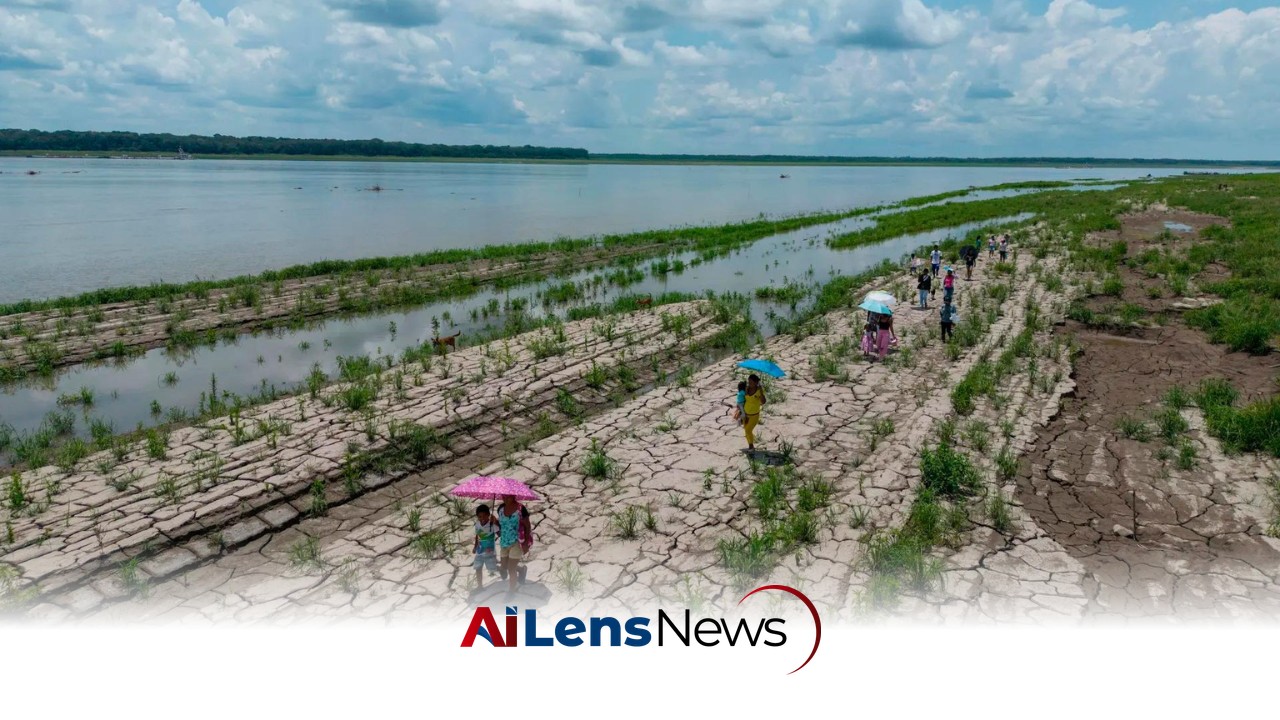


The World Meteorological Organization warns that El Nino's rapid development will exacerbate extreme weather, impacting agriculture in the subcontinent.
New Delhi, India Jul 4, 2026 ALN: The World Meteorological Organization (WMO) has issued a warning regarding the rapid development of El Nino, which is expected to significantly intensify global extreme weather patterns. This phenomenon is likely to lead to increased occurrences of heatwaves and droughts, particularly affecting the n subcontinent. The implications of this development are profound, as they could exacerbate existing vulnerabilities in regions already grappling with climate variability and food security challenges.
Currently, the n subcontinent is grappling with a substantial rainfall deficit. Data from June indicates a 40% shortfall in precipitation, which has severely impacted the sowing of kharif crops. The kharif season, which typically runs from June to September, is critical for the cultivation of several staple crops, including rice, maize, and pulses. As a result of the rainfall deficit, the overall acreage dedicated to these crops has been reduced by 23%, posing serious challenges for agriculture, especially in areas that rely heavily on rain-fed irrigation. This reduction in crop area is particularly alarming given that agriculture is a primary source of livelihood for millions of people in the region.
El Nino, characterized by the warming of ocean surface temperatures in the central and eastern Pacific, has far-reaching implications for weather patterns around the globe. The phenomenon affects atmospheric circulation, leading to varied impacts in different parts of the world. For instance, while some regions may experience increased rainfall, others may face drought conditions. The WMO's predictions suggest that the effects of this phenomenon will be felt more acutely in regions already vulnerable to climate variability, such as South Asia, where monsoon patterns are critical for agricultural productivity.
Farmers in the affected areas are particularly concerned as the reduction in rainfall directly threatens their livelihoods. The kharif season is crucial for the cultivation of staple crops, and any disruption can lead to food security issues in the coming months. The impact of reduced crop yields may not only affect local food supplies but could also have wider implications for food prices and availability in the region. In a country where a significant portion of the population depends on agriculture for their sustenance, the stakes are exceedingly high.
The economic ramifications of El Nino can be extensive. A decrease in agricultural output can lead to increased food prices, which disproportionately affects low-income households that spend a larger percentage of their income on food. Additionally, the agricultural sector's struggles can have ripple effects throughout the economy, impacting employment, rural development, and overall economic growth. Policymakers must consider these broader implications when formulating responses to the anticipated challenges posed by El Nino.
In light of these developments, it is imperative for policymakers to take proactive measures to mitigate the impacts of El Nino. This includes implementing strategies to support farmers, such as providing access to drought-resistant seeds, enhancing irrigation infrastructure, and offering financial assistance to those most affected by crop failures. Furthermore, improving water management practices will be critical in coping with the anticipated challenges. This may involve investing in water conservation techniques, promoting rainwater harvesting, and developing efficient irrigation systems that can better withstand periods of low rainfall.
As the situation evolves, continuous monitoring and assessment will be essential to understand the full scope of El Nino's impact on weather patterns and agricultural productivity. The WMO and other meteorological organizations play a crucial role in providing timely and accurate weather forecasts, which can help farmers and policymakers make informed decisions. In addition, collaboration between governments, non-governmental organizations, and local communities will be vital in implementing effective adaptation strategies.
Historically, El Nino events have had significant impacts on global weather patterns. The phenomenon is part of a larger climate system known as the El Nino-Southern Oscillation (ENSO), which includes both El Nino and its counterpart, La Nina. While El Nino is associated with warmer ocean temperatures and often leads to drier conditions in some regions, La Nina is characterized by cooler ocean temperatures and can bring increased rainfall to areas affected by drought during El Nino events. Understanding these complex interactions is essential for developing comprehensive climate adaptation strategies.
The potential for severe weather events during an El Nino phase raises questions about the preparedness of governments and communities to respond to such challenges. For instance, the increased likelihood of heatwaves can pose health risks, particularly for vulnerable populations such as the elderly and those with pre-existing health conditions. Public health systems must be equipped to deal with the potential surge in heat-related illnesses and ensure that adequate resources are available to protect at-risk individuals.
In conclusion, the WMO's warning about the rapid development of El Nino highlights the urgent need for awareness and action regarding the potential ramifications of this climate phenomenon. As the n subcontinent faces a critical juncture in its agricultural season, the interplay between climate variability and food security will require concerted efforts from all stakeholders. By prioritizing proactive measures, investing in sustainable agricultural practices, and fostering community resilience, it is possible to mitigate the adverse impacts of El Nino and safeguard the livelihoods of millions who depend on agriculture for their survival.
To understand the implications of El Nino fully, it is essential to consider its historical context. Previous El Nino events have led to significant disruptions in weather patterns across the globe, resulting in both beneficial and detrimental effects on agriculture, water supply, and overall economic stability. For example, the 1997-1998 El Nino was one of the strongest on record and caused widespread droughts and floods, leading to billions of dollars in economic losses and humanitarian crises in various regions.
In addition to its immediate effects on weather, El Nino can also influence long-term climate trends. Research indicates that recurring El Nino events may contribute to shifts in climate patterns, potentially leading to more frequent and intense weather events in the future. This underscores the importance of not only addressing the immediate challenges posed by El Nino but also preparing for its long-term implications on climate resilience and adaptation strategies.
Moreover, the interconnectedness of global food systems means that disruptions in one region can have cascading effects worldwide. For instance, a decline in rice production in the n subcontinent due to El Nino could lead to increased rice prices globally, affecting food security in countries that rely on imports. This interconnectedness highlights the necessity for a coordinated international response to mitigate the impacts of climate phenomena like El Nino.
In light of these complexities, it is crucial for governments and organizations to invest in research and development aimed at understanding the nuances of climate phenomena and their impacts. Enhanced climate modeling and forecasting capabilities can provide invaluable insights that enable better preparation and response strategies. Additionally, fostering partnerships between academic institutions, governments, and the private sector can drive innovation in agricultural practices and climate adaptation measures.
As the world grapples with the challenges posed by climate change, the significance of understanding phenomena like El Nino cannot be overstated. By enhancing our collective knowledge and response capabilities, we can better equip ourselves to face the uncertainties of the future and protect vulnerable populations from the adverse effects of climate variability.
To learn more about the latest developments in Policies & Reforms, stay updated with our exclusive reports and analyses on AiLensNews.

