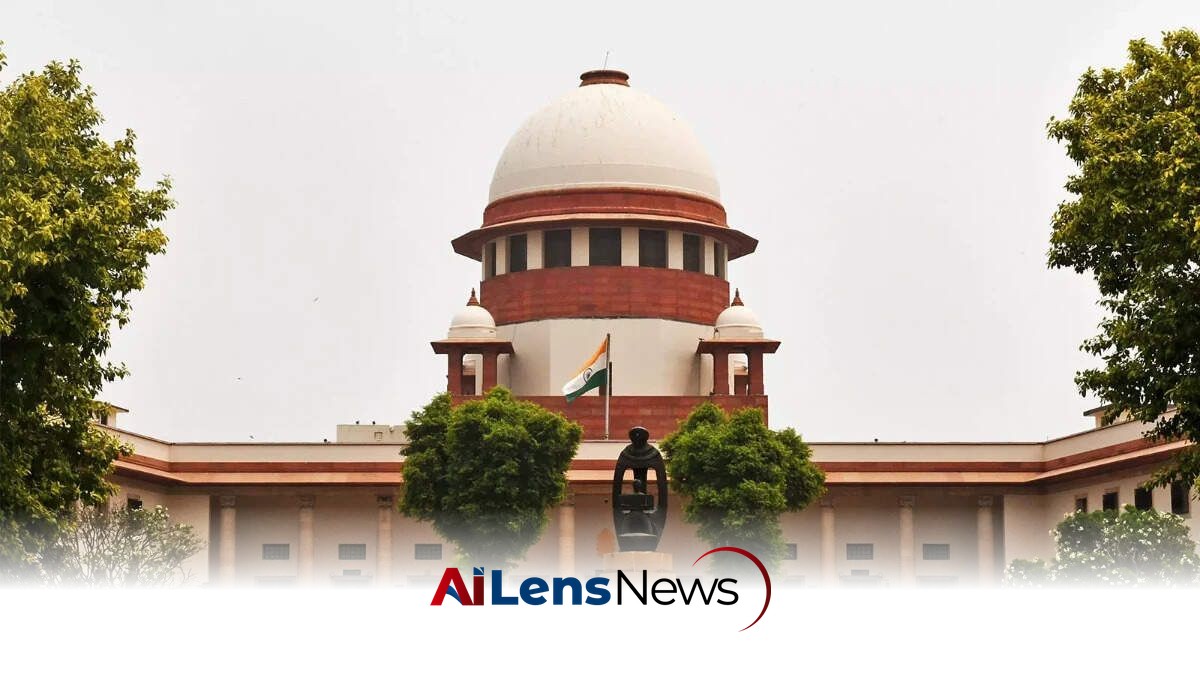


The Supreme Court has criticized Maharashtra for delaying trials, emphasizing the importance of a speedy judicial process and the rights of the accused.
New Delhi, India Jul 11, 2026 ALN: The Supreme Court of has recently articulated its strong disapproval of the persistent delays in trial proceedings by various states, with a particular focus on Maharashtra. This assertion arose during a session dedicated to hearing bail pleas, where the court underscored a troubling trend of negligence that undermines the fundamental right to a speedy trial. This issue transcends mere administrative inefficiency; it touches upon the very essence of justice and the rights of individuals ensnared in the complex web of legal proceedings.
The right to a speedy trial is enshrined in Article 21 of the Constitution of , which guarantees the right to life and personal liberty. This provision has been interpreted by the judiciary to encompass the right to a fair and timely trial. Delays in the judicial process can lead to prolonged periods of incarceration without conviction, raising significant ethical and legal concerns. The Supreme Court’s recent comments emphasize that these delays are not just procedural inconveniences; they are violations of constitutional rights that can have dire consequences for the accused, potentially affecting their mental health, family life, and social standing.
One particular case highlighted during the Supreme Court's session involved an accused individual who has been incarcerated for four years, with minimal progress in witness examinations. This scenario has raised alarms regarding the efficiency of the judicial process and the responsibilities of state authorities. The individual’s prolonged detention without trial not only affects their mental and physical well-being but also raises fundamental questions about the integrity of the judicial system that permits such situations to persist. The court's concern reflects a broader issue within the system, where individuals may find themselves trapped in legal limbo, awaiting justice that seems perpetually out of reach.
The Supreme Court pointedly noted that Maharashtra has been remiss in its duty to present the accused before the trial court in a timely manner. Such delays not only adversely affect the accused but also erode public confidence in the judicial system. When citizens perceive that the judicial process is slow or inefficient, it can lead to a broader disillusionment with the rule of law. This discontent can manifest in various ways, including increased public unrest and a lack of faith in legal institutions, which are fundamental to a democratic society. The implications of such disillusionment are profound, potentially leading to a societal breakdown of trust in the very systems designed to uphold justice.
In its remarks, the Supreme Court stressed the urgent need for states to prioritize the expeditious handling of trials. The court’s firm stance serves as a reminder that the right to a speedy trial is a cornerstone of justice, and any laxity in this regard will not be tolerated. The court's intervention may prompt state governments, including Maharashtra, to reassess their judicial processes and implement reforms aimed at improving the efficiency of trial proceedings. This could involve revisiting case management practices, enhancing the training of judicial officers, and prioritizing the allocation of resources to ensure that trials are conducted without undue delay.
The implications of the Supreme Court's observations extend beyond Maharashtra. The judicial system in faces widespread challenges, including a significant backlog of cases, understaffed courts, and inadequate infrastructure. According to various reports, millions of cases are pending in n courts, leading to substantial delays in the delivery of justice. The Supreme Court's emphasis on accountability and promptness is thus a clarion call for all states to enhance their judicial mechanisms and ensure that trials are conducted in a timely manner, respecting the rights of the accused and the victims alike.
Moreover, the Supreme Court's remarks could lead to heightened scrutiny of state judicial systems. Legal experts and civil rights advocates may begin to push for legislative changes that mandate stricter timelines for trial proceedings, as well as measures to ensure that accused individuals are not left languishing in jail without due process. Such reforms could include increasing the number of judges, improving court facilities, and utilizing technology to streamline case management. The integration of digital tools could facilitate quicker processing of cases and enhance transparency in judicial proceedings, thereby restoring public faith in the system.
The judicial landscape in is evolving, and the Supreme Court's intervention could pave the way for significant reforms aimed at enhancing the efficiency of trial processes across the country. As the court continues to address these critical issues, it highlights the need for a collaborative effort between the judiciary, legislative bodies, and state governments to ensure that the right to a speedy trial is not merely a theoretical concept but a practical reality for all citizens. This collaboration is essential not only for improving the efficiency of the judicial system but also for reinforcing the rule of law as a foundational principle of democracy.
In conclusion, the Supreme Court's recent comments regarding trial delays in Maharashtra serve as a crucial reminder of the importance of timely justice. As the court calls for reforms and accountability, it serves as a beacon of hope for those who have been affected by the sluggish pace of the judicial process. The right to a speedy trial is essential not only for the accused but also for the health of the entire judicial system, which must function effectively to uphold the rule of law and maintain public trust in legal institutions. The Supreme Court's proactive stance may ultimately lead to a more just and efficient legal system, ensuring that justice is not delayed but delivered promptly, thereby safeguarding the rights of all individuals within the framework of the law.
To learn more about the latest developments in Political Controversies, stay updated with our exclusive reports and analyses on AiLensNews.

