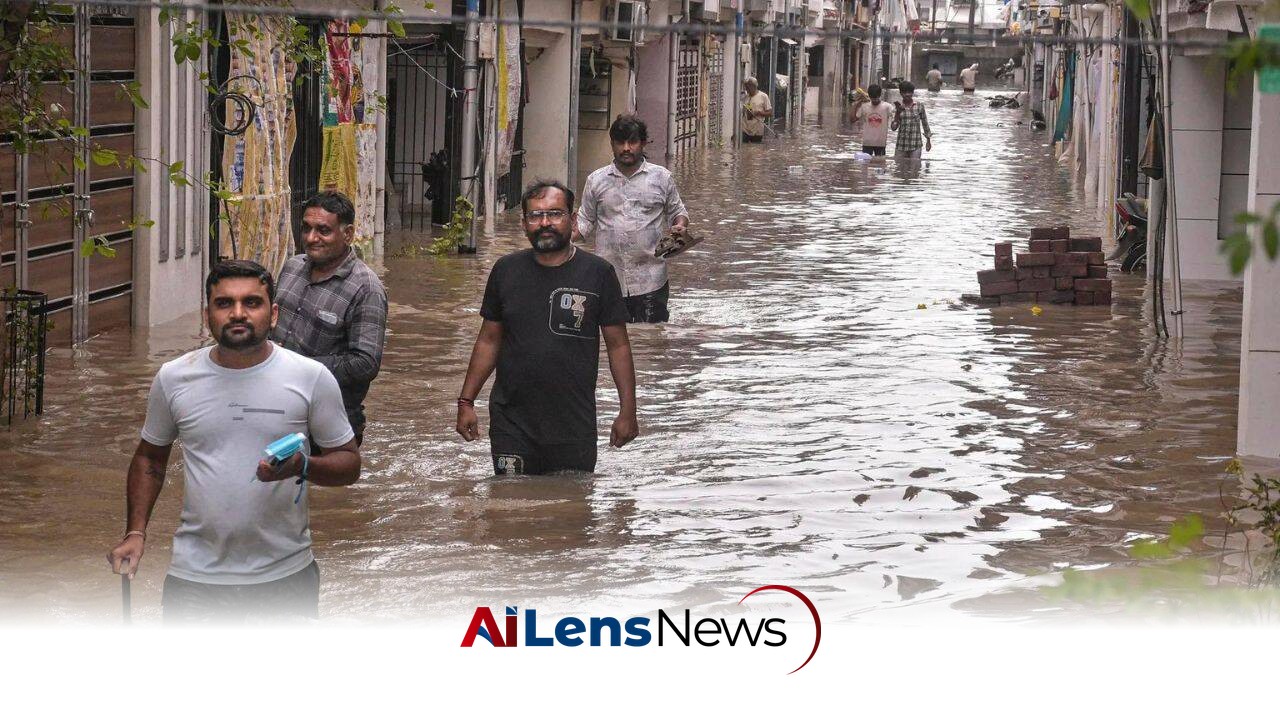


Heavy monsoon rains have caused widespread waterlogging and traffic disruptions across multiple states, prompting red and orange alerts.
New Delhi, India Jul 9, 2026 ALN: Heavy monsoon rains have caused widespread waterlogging and traffic disruptions across various regions, leading to significant challenges for local populations and authorities alike. The onset of the monsoon season, which typically spans from June to September, is a crucial period for agriculture in the country, but it also brings with it the risk of severe weather events. This year, the situation has escalated, with several states currently under red and orange alerts due to severe weather conditions. These alerts indicate the potential for dangerous weather, prompting residents to take necessary precautions and authorities to prepare for emergency responses.
Maharashtra and Kerala are among the states facing the brunt of the heavy rainfall. In Maharashtra, heavy showers have led to flooded streets in urban areas, disrupting daily life and transportation. Major roads have been rendered impassable, and public transport systems, including trains and buses, have been significantly affected. The local government in Maharashtra has reported that emergency services are on high alert, with teams deployed to assist residents stranded by the floods. In addition, the state has activated its disaster management protocols, which include coordination with the National Disaster Response Force (NDRF) for swift rescue operations.
Kerala, known for its lush landscapes and backwaters, has also been severely impacted by the monsoon rains. The state has a history of monsoon-related flooding, but this year's rainfall has been particularly intense, exacerbating existing vulnerabilities. Many communities in low-lying areas are facing inundation, and the state government has issued advisories urging residents to avoid unnecessary travel and to stay indoors if possible. The Meteorological Department has issued forecasts indicating that heavy showers will persist in many regions, raising concerns about further flooding and related hazards, such as landslides, which are common in hilly terrains during the monsoon.
The implications of the heavy rains extend beyond immediate safety concerns. Agriculture, which is heavily reliant on monsoon rains, may also face challenges. While the rains are essential for the cultivation of crops, excessive rainfall can lead to crop damage and loss, affecting food supply chains and farmers' livelihoods. The government is closely monitoring the situation to assess the impact on agriculture and to provide support where necessary. Local farmers are advised to take precautions to protect their crops and livestock, and to stay informed about weather updates that could affect their farming activities.
In response to the ongoing situation, local governments are mobilizing resources to assist affected communities. Emergency services are on high alert, ready to respond to any incidents arising from the severe weather. This includes deploying rescue teams to evacuate individuals from flooded areas and providing medical assistance to those in need. Additionally, relief materials such as food, clean water, and essential supplies are being distributed to affected populations. The coordination between various government agencies and local organizations is crucial in ensuring effective disaster response and recovery efforts.
As the monsoon progresses, residents are advised to stay informed about weather updates and heed warnings from authorities. The situation remains dynamic, and continued vigilance is essential to navigate the challenges posed by the heavy rains. Authorities are utilizing various communication channels, including social media, local radio, and community announcements, to disseminate important information and safety guidelines to the public.
Moreover, the impact of climate change on monsoon patterns is an ongoing area of concern for meteorologists and climate scientists. The intensity and unpredictability of monsoon rains have increased in recent years, leading to more frequent and severe flooding events. This has prompted discussions about the need for improved infrastructure, such as better drainage systems, flood barriers, and urban planning that takes into account the changing climate. Policymakers are being urged to invest in long-term solutions to mitigate the effects of extreme weather events and to enhance community resilience.
Historically, the monsoon season has been a double-edged sword for many regions. While it is vital for replenishing water supplies and supporting agricultural productivity, it can also lead to catastrophic flooding, particularly in areas that are not well-prepared for such events. In recent years, the frequency of extreme weather-related incidents has raised alarms about the adequacy of current infrastructure and emergency preparedness. As communities face the realities of climate change, the need for adaptive strategies becomes increasingly pressing.
The heavy monsoon rains serve as a reminder of the importance of preparedness and community solidarity in the face of natural disasters. Local communities are often the first responders during such events, and their efforts can significantly impact the effectiveness of official rescue operations. Initiatives that promote community awareness and preparedness can empower residents to take proactive measures to protect themselves and their neighbors during extreme weather events. Educational campaigns and local drills can enhance community readiness, ensuring that individuals know how to respond during emergencies.
In conclusion, the ongoing heavy rains across various regions underscore the need for continuous monitoring and proactive measures to ensure public safety. With authorities actively managing rescue operations and monitoring vulnerable areas, the hope is that the situation can be stabilized and that affected communities will receive the necessary support to recover from the impacts of the monsoon. As the weather continues to evolve, it remains crucial for residents to remain alert and to follow the guidance of local officials to navigate this challenging period effectively. The collaboration between government bodies, local organizations, and communities will be vital in addressing the immediate challenges posed by the monsoon while laying the groundwork for long-term resilience against future climatic events.
To learn more about the latest developments in Government & Governance, stay updated with our exclusive reports and analyses on AiLensNews.

