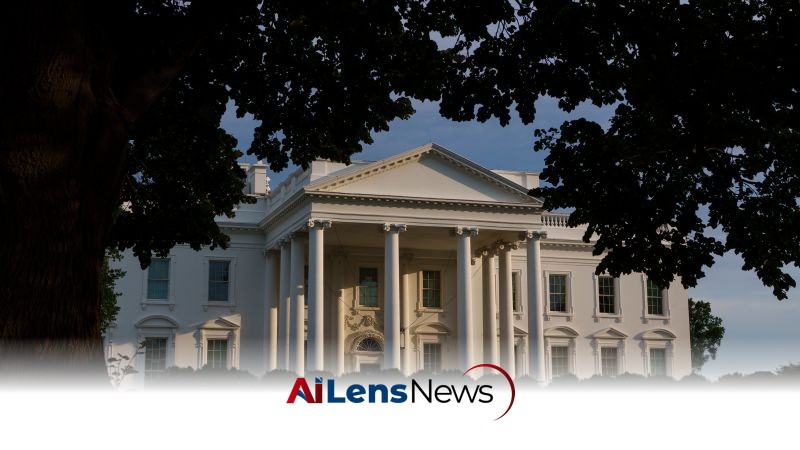


A leak investigation at the White House, led by Chief of Staff Susie Wiles and FBI Director Kash Patel, has prompted officials to surrender their phones as part of the inquiry into security breaches regarding a Qatari-gifted airplane.
Washington DC, United States Jul 16, 2026 ALN: The recent investigation into leaks concerning the security deficiencies of a Qatari-gifted airplane, intended for use as Air Force One, has not only captured the attention of the media but also raised significant questions about the intersection of government operations and law enforcement oversight. Chief of Staff Susie Wiles and FBI Director Kash Patel have been central figures in orchestrating this inquiry, which has involved the unusual step of asking officials to turn over their phones on White House grounds. This incident highlights the ongoing tensions surrounding information security, national defense, and the administration's approach to transparency and accountability.
At the heart of the investigation is the newly acquired aircraft, a $400 million jet gifted by Qatar. This plane was intended to serve as a modernized version of Air Force One, reflecting President Donald Trump’s personal preferences with modifications and a new paint scheme. However, concerns arose when details regarding the aircraft's security capabilities were leaked, prompting an urgent response from the White House. Trump’s reaction to these disclosures was reportedly one of anger, leading to the swift establishment of a leak investigation aimed at identifying the source of the information.
The investigation's intensity is underscored by the fact that officials from various agencies were approached for their devices and communications. The request for phone turnovers is particularly notable, as it suggests a level of scrutiny that goes beyond standard investigative practices. The involvement of the FBI in this matter, especially under the direct supervision of Patel, indicates a significant blending of executive branch oversight with law enforcement actions, a move that has sparked debate regarding the independence of the Justice Department.
As the investigation unfolded, agencies were advised to alert their legal teams if approached by outside investigators, indicating a heightened awareness of the potential legal ramifications of the inquiry. This precautionary measure reflects a broader concern among federal employees about their rights and protections when it comes to cooperating with investigations that might infringe upon their privacy or professional conduct.
The leak investigation became public when the New York Times reported that the Justice Department had issued subpoenas to four of its journalists who had covered the security concerns surrounding the new aircraft. This action has drawn significant criticism from journalists and advocates for press freedom, who argue that such subpoenas represent an infringement on First Amendment rights. The Times has stated its intention to contest the subpoenas in court, which could lead to a protracted legal battle over the balance between national security and freedom of the press.
The backdrop to this investigation includes a series of events that culminated in Trump's decision to send the new plane ahead to England's Mildenhall Air Force Base. This decision was made abruptly just before his departure from a NATO summit in Turkey. Trump characterized the move as an opportunity for U.S. service members stationed at the base to tour the aircraft, emphasizing the excitement surrounding the new addition to the presidential fleet. However, sources indicate that the actual motivation for the switch was rooted in security concerns, as the new aircraft had not yet been fully equipped with the necessary defensive systems.
After attending the NATO summit, Trump's travel plans were altered based on a revised security assessment. Wiles reportedly informed the President that he would need to use an older, more secure aircraft for his return trip to the United States. This decision underscores the complexities involved in presidential travel, particularly regarding the security protocols that must be adhered to when transporting the Commander-in-Chief.
The Qatari plane, while being touted as a modern upgrade, was perceived by military and Secret Service officials as being rushed into service. This perception raises questions about the thoroughness of the vetting and retrofitting processes that new aircraft undergo before being deemed suitable for presidential use. In contrast, two additional jets acquired under a deal renegotiated by Trump during his first term have faced significant delays, with completion not expected until at least 2028. These delays are attributed to the extensive requirements for classified communications and defensive countermeasures, which must be meticulously integrated into the design and functionality of the aircraft.
Aviation experts have noted that the new jet appears to lack certain visible modifications typically associated with advanced missile defense systems. While the absence of these features does not definitively indicate the capabilities of the aircraft, it raises concerns about the adequacy of its defenses in the context of presidential travel. The implications of using an inadequately equipped aircraft for such high-stakes travel are profound, as they directly relate to the safety and security of the President and his entourage.
This investigation is emblematic of broader issues facing the Trump administration, particularly regarding its approach to information management and transparency. The aggressive pursuit of leaks, especially those that could compromise national security, reflects a heightened sensitivity to public disclosures that could undermine the administration's credibility and operational integrity. However, this approach has also led to significant pushback from civil liberties advocates who argue that the administration's tactics can stifle free expression and journalistic inquiry.
As the investigation continues, it remains to be seen how the administration will balance its efforts to maintain security and protect sensitive information with the need to uphold constitutional rights and freedoms. The implications of this case extend beyond the immediate concerns surrounding the Qatari plane, touching on fundamental questions about the role of the press, the responsibilities of government officials, and the boundaries of executive power in an era marked by rapid information dissemination and heightened scrutiny of governmental actions.
In conclusion, the leak investigation at the White House serves as a critical reminder of the complexities involved in governance, security, and the safeguarding of democratic principles. As the inquiry unfolds and legal battles ensue, it will likely continue to provoke debate and discussion about the appropriate limits of government authority and the essential role of a free press in a democratic society.
To learn more about the latest developments in Political Controversies, stay updated with our exclusive reports and analyses on AiLensNews.

