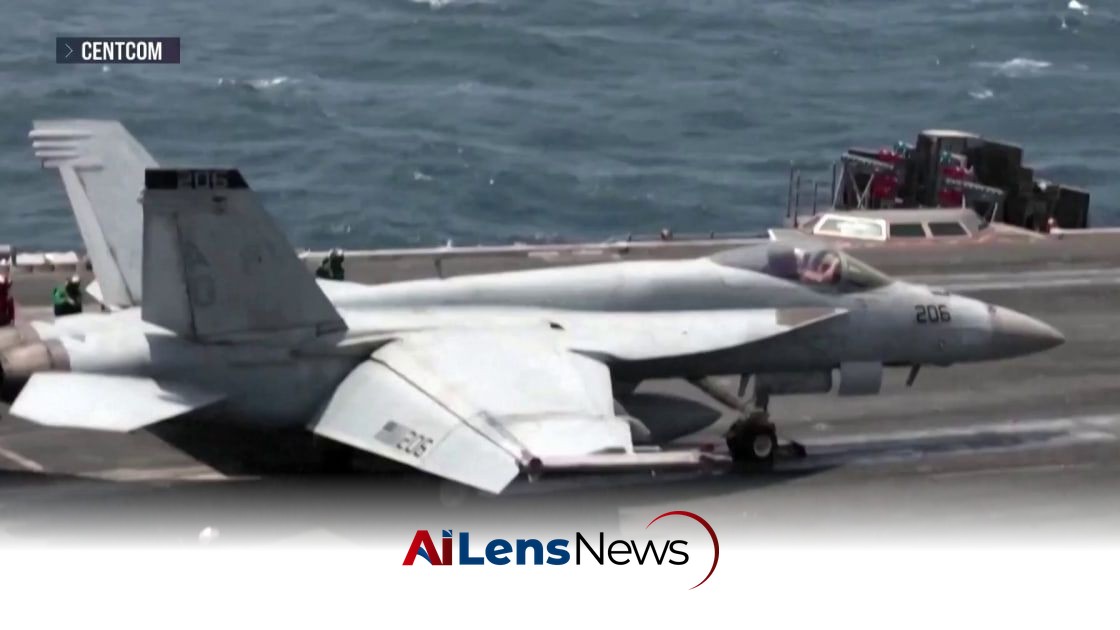


As U.S. airstrikes against Iran enter their fourth day, lawmakers express concerns over escalating military expenses, prompting Trump to reconsider his toll proposal.
Washington DC, United States Jul 15, 2026 ALN: As the United States continues its fourth consecutive day of airstrikes against Iran, lawmakers are increasingly pressing the Pentagon regarding the escalating costs associated with the ongoing military operations. The situation has prompted President Trump to reconsider his previously proposed toll plan for the Strait of Hormuz, a vital shipping route. This strategic waterway is crucial not only for Iran but also for a significant portion of the global economy, as it facilitates the transit of approximately 20% of the world's oil supply.
The airstrikes, aimed at Iranian military targets, have raised significant concerns among lawmakers about the financial implications of prolonged military engagement. With the costs mounting, there is a growing sentiment in Congress that the administration must provide clearer insights into the budgetary impact of these operations. The financial burden of military engagements, particularly in regions like the Middle East, has historically been a contentious issue, often leading to debates over the allocation of federal resources. The U.S. has a long history of military involvement in the region, which has resulted in extensive spending and, at times, significant loss of life.
In recent discussions, members of Congress have voiced their apprehensions regarding the financial burden of the conflict. They have called on the Pentagon to provide detailed reports on the expenditures incurred during the airstrikes and the overall strategy moving forward. The demand for accountability comes amid a backdrop of previous military engagements that have resulted in significant costs to taxpayers, raising questions about the sustainability of such operations. Congressional leaders are emphasizing the need for transparency, as many fear that the current military actions could mirror past conflicts that resulted in prolonged engagements without clear victories.
Some lawmakers have expressed skepticism about the effectiveness of the military actions, questioning whether they will yield the desired outcomes without incurring excessive costs. This skepticism is rooted in historical precedents where military interventions have led to protracted conflicts without clear victories, such as in Iraq and Afghanistan. The concern is that without a coherent strategy and measurable goals, the current operations could lead to a similar outcome, further straining the national budget. Lawmakers are particularly wary of repeating the mistakes of the past, where initial military successes were followed by years of conflict and instability.
In light of these developments, President Trump has indicated a willingness to reevaluate his proposal for implementing tolls on vessels passing through the Strait of Hormuz. The toll plan was initially intended to generate revenue to offset military expenses, but the growing opposition and concerns about its feasibility have led to a reconsideration. The Strait of Hormuz is a critical chokepoint for global oil shipments, and any tolls imposed could significantly impact international trade and relations with allied nations. The potential for increased costs for shipping companies could ripple through the global economy, affecting oil prices and, consequently, the cost of living for consumers worldwide.
The proposed tolls have been met with mixed reactions from both domestic and international stakeholders. Critics argue that imposing tolls could lead to increased shipping costs, ultimately affecting global oil prices and economic stability. Additionally, allies in the region may view such measures as an aggressive stance, potentially straining diplomatic relations. The administration is now weighing the potential ramifications of such a policy shift, considering both the financial benefits and the geopolitical consequences. The complexities involved in international maritime law and the potential for retaliation from Iran complicate the situation further, as any tolls could be interpreted as a provocation.
Public opinion regarding the military actions in Iran is divided, with some supporting the strikes as necessary for national security, while others are concerned about the long-term implications and costs. Polls indicate that a significant portion of the American public is wary of another prolonged military engagement in the Middle East, particularly given the historical context of previous conflicts that have resulted in loss of life and significant financial expenditure. This division in public sentiment reflects broader concerns about the direction of U.S. foreign policy and the implications of military actions on domestic priorities.
As the situation evolves, the administration faces pressure to balance military objectives with fiscal responsibility. The ongoing military operations are not only a matter of national security but also a reflection of the United States' broader foreign policy strategy in the region. The implications of these airstrikes extend beyond immediate military goals; they also influence U.S. relations with allies and adversaries alike, shaping perceptions of American power and resolve. The administration's approach to the situation in Iran will likely be scrutinized by both domestic and international observers, who will assess the effectiveness and justification of U.S. military engagement.
As discussions continue in Washington, the administration's next steps will be closely monitored by both lawmakers and the public, as the costs of war and the implications of military strategy remain at the forefront of national discourse. Lawmakers are expected to hold hearings to assess the effectiveness of the current military strategy and to explore alternative approaches that could mitigate costs while still addressing security concerns. This scrutiny may lead to increased calls for a reevaluation of U.S. military commitments in the region, as well as demands for a more comprehensive diplomatic strategy to address the underlying issues driving conflict.
In conclusion, the ongoing airstrikes against Iran have not only raised military concerns but also significant financial questions. As President Trump reassesses his toll plan for the Strait of Hormuz, the focus will remain on the implications of military spending and the broader impact on U.S. foreign policy. The administration's ability to navigate these complex issues will be crucial in determining the future direction of U.S. involvement in the region and its implications for international relations. Moreover, the discourse surrounding military expenditures is likely to become a focal point in upcoming elections, as candidates will need to address the public's concerns regarding spending priorities and military engagements.
As the administration grapples with these challenges, it must also consider the long-term strategic implications of its military actions. Engaging in military operations without a comprehensive plan can lead to unintended consequences, including destabilization of the region and increased anti-American sentiment. The administration's approach to the situation in Iran will not only shape the immediate landscape but will also have lasting effects on U.S. foreign policy and its role in global affairs. The potential for escalation in hostilities, coupled with the financial burden of military operations, presents a complex challenge that will require careful consideration and strategic foresight in the months ahead.
To learn more about the latest developments in Political Controversies, stay updated with our exclusive reports and analyses on AiLensNews.

