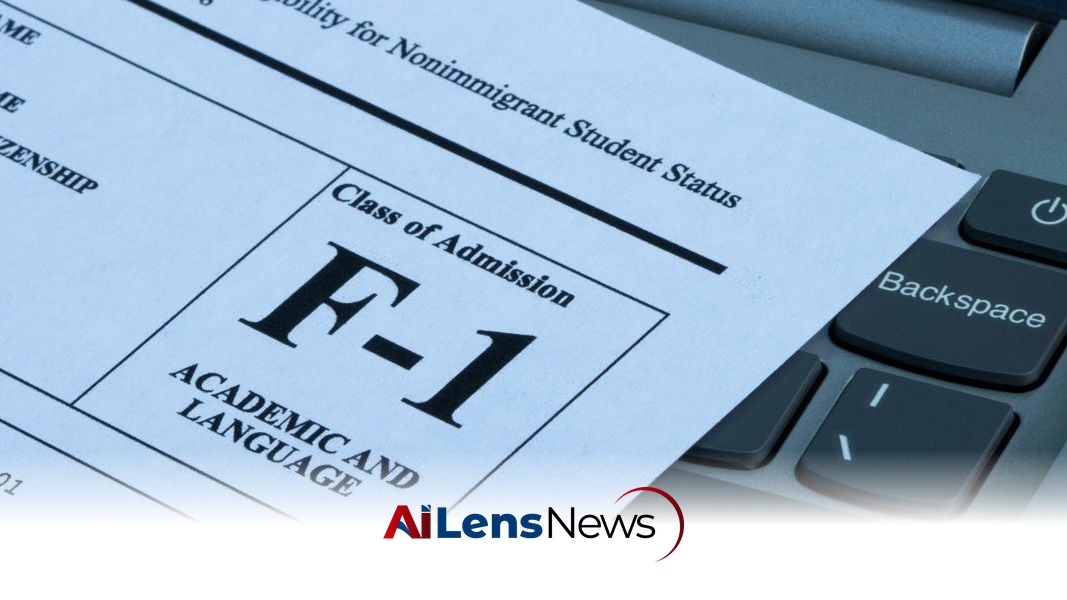


The Trump administration has announced a new rule capping foreign students' initial admission to the US at four years, requiring extensions to be applied for or necessitating re-entry.
Washington DC, United States Jul 17, 2026 ALN: The Trump administration is set to implement a significant change to the duration of student visas in the United States, which will fundamentally alter the landscape for international students pursuing education in the country. This new rule, announced by the Department of Homeland Security (DHS), introduces limitations on how long individuals on F-1 student visas can initially remain in the U.S. for their studies.
Historically, international students have enjoyed the privilege of staying in the U.S. for the duration of their academic program, allowing them to focus on their studies without the pressure of a looming expiration date. However, under the new regulation, the DHS has established a cap on the initial admission period for F-1 visa holders at four years. This means that regardless of the length of their academic program, students will now face a maximum stay of four years unless they apply for an extension or choose to leave the country and re-enter to regain admission.
This rule is set to take effect on September 15, pending a review by Congress. The implications of this change are profound, as it not only affects the duration of stay but also alters the pathways available to students wishing to continue their education in the U.S. After completing their program, students will no longer have the option to switch to a different program at the same or a lower academic level while maintaining their F-1 status. For example, a student who has completed a master's degree will be eligible to pursue a Ph.D. but will not be able to enroll in another master's or even a bachelor's program.
Furthermore, the new regulations will reduce the time frame for students to depart the U.S. after completing their studies or post-completion practical training from 60 days to just 30 days. This tightening of the rules reflects a broader trend in U.S. immigration policy aimed at increasing oversight and reducing the potential for overstays and misuse of student visas.
The DHS has justified these changes by citing a "dramatic rise" in the number of international students admitted to the U.S. over the past few decades, which has posed challenges for oversight. Concerns regarding overstays, potential fraud, and national security have also been highlighted as driving factors behind the new rule. Markwayne Mullin, the secretary of Homeland Security, emphasized that setting clear limits on visa durations is crucial for the U.S. to effectively screen, vet, and monitor individuals within its borders. He stated, "This final rule ensures that foreign students remain focused on their primary purpose: completing their studies and returning home."
While the DHS asserts that these new requirements will not impose an undue burden on nonimmigrants holding F, J, and I visas—categories that include students, exchange visitors, and foreign media—the implications for international students and educational institutions are significant. Critics of the policy, including Fanta Aw, CEO of NAFSA, an international education non-profit organization, argue that this move sends a detrimental message to the global community. Aw expressed concern that the policy could deter the world’s brightest students and scholars from considering the U.S. as a destination for their education, suggesting that it portrays the country as becoming less welcoming and less predictable in its immigration policies.
This latest rule is part of a broader trend seen during the Trump administration, which has consistently sought to tighten U.S. visa and immigration policies. For instance, in the previous year, the administration introduced a controversial $100,000 fee for employers sponsoring new H-1B applications for foreign workers, a move that sparked significant backlash from the tech industry and was subsequently struck down by a federal judge, leaving its status in ongoing litigation.
In addition to the new student visa regulations, other recent changes have also indicated a shift in immigration policy. A memo issued by the U.S. Citizenship and Immigration Services earlier this year suggested that individuals who previously had the option to apply for a green card while remaining in the U.S. might now be required to leave the country during the processing of their application. These developments reflect a significant reorientation of U.S. immigration policy under the Trump administration, prioritizing stricter controls and limitations on various visa categories.
The implications of these changes are likely to resonate throughout the higher education landscape in the U.S. As international students have historically contributed significantly to the academic and cultural fabric of American universities, any measures perceived as restrictive could influence the attractiveness of U.S. institutions in the competitive global education market. Universities may need to reassess their recruitment strategies and support services for international students, as potential applicants weigh the benefits of studying in the U.S. against the new limitations imposed by these regulations.
International students have long been an integral part of the U.S. education system, contributing not only to the diversity of campus life but also to the economy. According to estimates from prior years, international students contributed billions of dollars to the U.S. economy through tuition and living expenses. With the potential for a decline in international enrollment due to these new regulations, U.S. institutions may face financial pressures that could lead to program cuts or increased tuition for domestic students.
Moreover, the cultural exchange that occurs when international students come to study in the U.S. fosters greater understanding and collaboration between nations. The new rules could hinder this exchange, as fewer international students may choose to come to the U.S., potentially leading to a more insular academic environment. This could also affect research collaborations, as many groundbreaking studies are conducted through partnerships between U.S. and international scholars.
In conclusion, the new rule limiting the duration of student visas represents a notable shift in U.S. immigration policy, with potential long-term effects on international student enrollment and the overall landscape of higher education in the country. As the implementation date approaches, stakeholders in the education sector, policymakers, and international students will be closely monitoring the developments and their implications for the future of academic exchange and collaboration between the U.S. and the global community. The broader implications of these changes will not only affect individual students and their educational aspirations but also the future of the U.S. as a leader in global education.
To learn more about the latest developments in Political Controversies, stay updated with our exclusive reports and analyses on AiLensNews.

