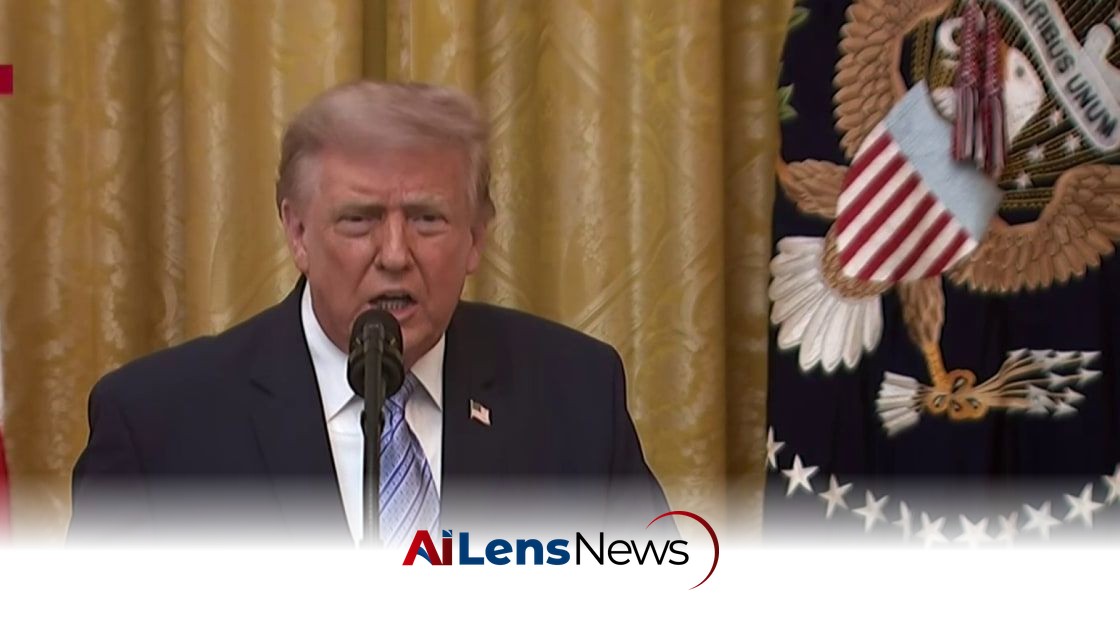


President Trump announced plans to declassify documents concerning alleged Chinese interference in the 2020 U.S. elections during a White House address.
Washington DC, United States Jul 17, 2026 ALN: In a significant announcement, President Donald Trump addressed the nation from the White House, revealing that his administration will declassify documents pertaining to the 2020 presidential election. This move comes amid ongoing concerns regarding alleged influence by China in the electoral process. The decision to release these documents is part of a broader effort by the Trump administration to shed light on foreign interference in American elections. During his address, Trump emphasized the importance of transparency and accountability, stating that the American public deserves to know the extent of foreign involvement in their democratic processes.
The 2020 election was marked by heightened scrutiny over foreign influence, particularly from China and Russia. Allegations of interference have been a contentious topic, with various investigations examining the extent and impact of such activities. By declassifying these documents, the Trump administration aims to provide clarity and address public concerns. The focus on foreign interference is not new; it has been a recurring theme in U.S. politics, especially since the 2016 presidential election, where Russia's involvement was widely reported and investigated. The narrative surrounding foreign influence has since evolved, with China emerging as a focal point in discussions about electoral integrity.
The context surrounding the 2020 presidential election was unprecedented. The election occurred during a global pandemic, which altered traditional campaigning methods and voter turnout strategies. As the election approached, concerns over misinformation, particularly on social media platforms, became increasingly pronounced. Various intelligence agencies had warned about the potential for foreign actors to exploit the situation, leading to heightened vigilance from federal and state election officials. The Trump administration's decision to declassify documents is, therefore, positioned within a broader narrative of ensuring that the electoral process remains untainted by external influences.
In addition to the focus on China and Russia, the 2020 election also saw domestic actors spreading misinformation. This dual threat of foreign and domestic interference complicates the narrative and raises questions about the effectiveness of current measures to safeguard elections. The release of the declassified documents may serve to illuminate these complexities, but it also risks oversimplifying the multifaceted nature of election security.
This announcement could have significant implications for U.S.-China relations, which have been strained in recent years. The relationship has faced numerous challenges, including trade disputes, military tensions in the South China Sea, and differing approaches to global governance. The release of documents may further exacerbate tensions, as it could be perceived as an attempt to shift blame onto China for any perceived electoral irregularities. This blame-shifting narrative plays into a broader geopolitical strategy, as both nations vie for influence on the global stage.
Furthermore, the declassification could impact American public opinion regarding China. As the U.S. grapples with its position in a multipolar world, framing China as a threat to electoral integrity might resonate with certain segments of the population. This could lead to increased support for tougher policies against China, including sanctions or further restrictions on trade and technology exchange.
Reactions to the announcement have been mixed. Supporters of the administration view this as a necessary step towards ensuring electoral integrity, while critics argue that it may be politically motivated. The discourse surrounding foreign influence in elections continues to be a polarizing issue in American politics. Some analysts suggest that the timing of the announcement, coming close to a pivotal election cycle, could be seen as an attempt to rally support among Trump's base by emphasizing a foreign adversary.
Public opinion on foreign interference in elections has evolved over the years. While there is a general consensus that foreign influence is a concern, opinions diverge on the extent to which it affects electoral outcomes. The declassification of documents may serve to reignite debates around this topic, prompting discussions about the efficacy of existing safeguards and the need for reform in election security measures.
As the administration prepares to declassify the documents, it remains to be seen how this will affect public perception and the ongoing discussions about election security. Analysts are closely monitoring the situation, anticipating further developments in both the political landscape and U.S.-China relations. The release of these documents may lead to congressional hearings or further investigations into the nature of foreign influence, potentially shaping the legislative agenda in the months to come.
Moreover, the implications of this announcement extend beyond immediate political concerns. The discourse surrounding election integrity is likely to influence future electoral cycles, as candidates from both parties may leverage the findings from the declassified documents to bolster their platforms. This could lead to increased calls for transparency and accountability in campaign financing and foreign lobbying efforts.
In conclusion, President Trump's announcement marks a pivotal moment in the ongoing dialogue about foreign interference in U.S. elections. The declassification of these documents is expected to spark further debate and scrutiny as the nation approaches future electoral cycles. As the political landscape continues to evolve, the implications of this decision will likely resonate across various sectors, from international relations to domestic policy discussions. The interplay between transparency, accountability, and electoral integrity will remain a central theme as the U.S. navigates the complexities of its democratic processes in an increasingly interconnected world.
To learn more about the latest developments in Political Controversies, stay updated with our exclusive reports and analyses on AiLensNews.

