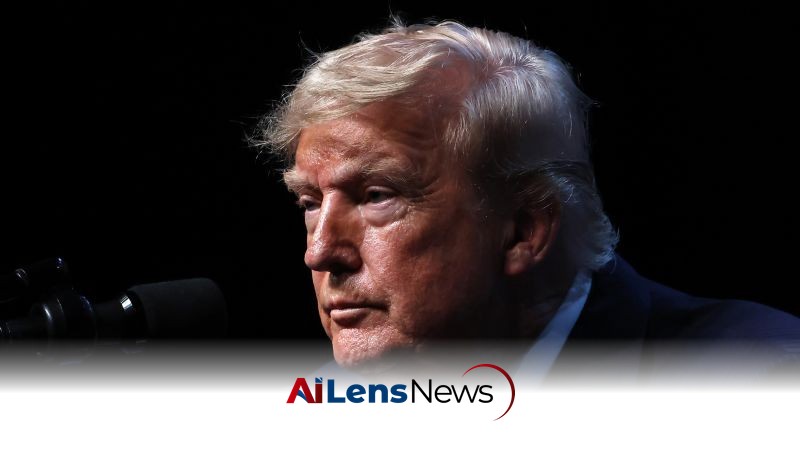


President Trump has overturned a temporary suspension of vehicle stops by ICE following criticism from his supporters, emphasizing his commitment to immigration enforcement.
Washington DC, United States Jul 16, 2026 ALN: President Donald Trump has recently expressed his discontent regarding a temporary suspension on most vehicle stops conducted by Immigration and Customs Enforcement (ICE). This decision, which was intended to curb operations following two tragic shootings involving ICE agents, has sparked considerable backlash from his supporters within the Make America Great Again (MAGA) movement. Prominent voices in this community have criticized the administration for what they perceive as a weakening of its immigration enforcement efforts, a cornerstone of Trump's political platform.
The suspension of vehicle stops was reportedly put in place as a precautionary measure following the fatal shootings of Lorenzo Salgado Araujo in Houston, Texas, and Joan Sebastian Durán Guerrero in Biddeford, Maine. The incidents have raised significant concerns about the safety of ICE operations and the need for accountability, prompting the White House to take action. Tom Homan, the White House border czar, described the suspension as a necessary step in light of these tragic events, indicating that the Department of Homeland Security (DHS) was evaluating interim changes to its enforcement strategies.
Despite the rationale behind this temporary directive, senior officials within DHS are under immense pressure to adhere to Trump's aggressive immigration agenda, which aims to achieve a staggering 2,000 arrests daily. The suspension of vehicle stops was interpreted by many within the MAGA base as a serious hindrance to these objectives, which have been a hallmark of Trump's presidency and a rallying cry for his supporters.
Compounding the situation, it was revealed that neither Homeland Security Secretary Markwayne Mullin nor Homan had informed Trump about the suspension prior to its implementation. This lack of communication led to Trump's furious reaction when he learned about the policy change through media reports, highlighting a significant disconnect within the administration regarding its immigration enforcement strategy.
In response to the backlash, Trump swiftly ordered the reversal of the suspension, using his platform on Truth Social to assert his commitment to a hardline approach to immigration enforcement. He stated, "The Radical Left Dumocrats would like to see this done, but it won’t happen on my watch," reinforcing his stance against any perceived leniency in immigration policy. This declaration underscores Trump's determination to maintain a tough posture on immigration, which has been a defining aspect of his political identity.
The suspension of vehicle stops had been particularly contentious among influential figures in the MAGA community. Notable Trump adviser Steve Bannon and conservative lawyer Mike Davis were vocal critics of the decision, arguing that it represented a failure to uphold Trump's directives. On Bannon's "War Room" show, Davis urged Mullin to adopt a more aggressive stance, calling for a prioritization of Trump's immigration policies over any perceived weaknesses in enforcement practices.
Following Trump's directive to reverse the suspension, ICE agents were quickly informed that they were expected to resume vehicle stops as part of their enforcement operations. Mullin reaffirmed his commitment to Trump's agenda, stating, "We want our ICE officers to have all options available to keep them safe while executing our mission of deporting as many illegal alien criminals from our country as possible." This statement reflects the ongoing tension within the agency as it seeks to balance operational safety with the need to fulfill the administration's aggressive deportation goals.
The suspension specifically affected agents within the Enforcement and Removal Operations (ERO) branch of ICE, which is tasked with the arrest and deportation of undocumented immigrants. Under the suspended guidance, agents were instructed to collaborate with partner agencies only when executing criminal warrants on individuals in vehicles, significantly limiting their operational scope during a time when arrests and deportations were expected to be ramped up.
The context of the suspension and its subsequent reversal is further complicated by the tragic circumstances surrounding the shootings of Araujo and Guerrero. Both individuals were not the intended targets of the enforcement actions that led to their deaths, raising questions about the operational protocols and accountability measures in place for ICE agents. The incidents have spurred calls for independent investigations into ICE operations, highlighting the ongoing scrutiny that the agency faces from both the public and advocacy groups concerned about its practices.
In light of these incidents, the Department of Homeland Security has pledged to enhance accountability measures, including the deployment of body cameras to officers nationwide. This initiative aims to foster greater transparency in ICE operations and address concerns about the use of force during enforcement actions. The introduction of body cameras represents an effort to rebuild trust with communities that have been affected by ICE's activities, acknowledging the need for oversight in an agency that has often been criticized for its aggressive tactics.
The implications of the recent developments surrounding ICE operations extend beyond the immediate reversal of the vehicle stop suspension. They reflect the ongoing challenges faced by the Trump administration in navigating the complex landscape of immigration enforcement, particularly in the wake of public outcry over the agency's actions. As the administration continues to pursue its mass deportation agenda, it must also contend with the realities of operational safety and the need for accountability in the face of tragic incidents.
Ultimately, the situation underscores the tensions within the Trump administration regarding immigration policy and enforcement. As the MAGA base continues to demand a hardline approach, the administration must also address the broader implications of its actions on public safety and community relations. The balance between aggressive enforcement and the protection of civil liberties remains a contentious issue, one that will likely continue to shape the discourse around immigration in the United States.
As this story evolves, it remains to be seen how the administration will address these challenges and whether it can maintain the support of its base while also prioritizing the safety and accountability of its enforcement operations.
This story has been updated with additional developments and reporting.
To learn more about the latest developments in Political Controversies, stay updated with our exclusive reports and analyses on AiLensNews.

