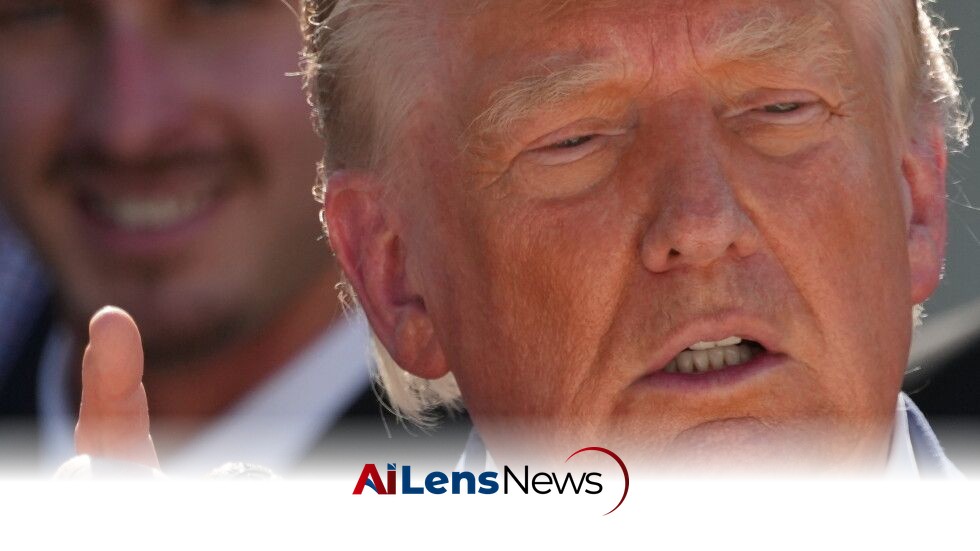


President Donald Trump has declared that the United States will initiate a formal investigation into the European Union's trade practices, alleging unfair fines imposed on major technology companies.
Washington DC, United States Jul 25, 2026 ALN: President Donald Trump has announced that the United States will open a formal investigation into the European Union's trade practices, particularly focusing on the bloc's fines against major technology companies. This move comes amid growing tensions between the US and EU regarding trade regulations and market access. The announcement signifies a critical moment in transatlantic relations, especially given the backdrop of ongoing discussions about digital economy governance and international trade.
During a recent event, Trump expressed concerns that the EU's actions are detrimental to American businesses, claiming that the fines imposed on tech giants such as Google and Facebook are not only unfair but also discriminatory. He emphasized the need for a level playing field in international trade. The implications of this investigation are vast, as it could reshape the landscape of digital commerce and international regulatory practices.
The European Union has been actively regulating technology companies, enforcing strict rules aimed at ensuring fair competition and consumer protection. The EU's regulatory framework has been particularly stringent in areas such as data privacy, competition law, and consumer rights, leading to substantial fines for violations. For instance, Google has faced billions in fines for antitrust violations, including practices that the EU deemed to stifle competition in the online advertising market.
However, many in the US, including Trump, argue that these regulations disproportionately target American firms, hindering their ability to compete effectively in the European market. Critics of the EU's regulatory approach often assert that it imposes excessive burdens on American companies, which may lead to higher prices for consumers and reduced innovation. This perspective is rooted in a broader narrative that positions the US as a champion of free market principles, in contrast to what some perceive as the EU's more interventionist stance.
This investigation could further strain relations between the US and the EU, which have already been tested by various trade disputes. The transatlantic partnership has historically been characterized by cooperation on economic issues, but recent years have seen an uptick in tensions over tariffs, trade deficits, and regulatory standards. Analysts suggest that the outcome of this investigation may influence future negotiations on trade agreements and regulatory standards between the two economic powerhouses.
Moreover, the investigation may set a precedent for how the US interacts with other international regulatory bodies. If successful, it could embolden the US to challenge similar practices by other nations, potentially leading to a more confrontational approach to international trade and regulation. This could, in turn, affect global supply chains and the operations of multinational corporations.
In response to Trump's announcement, representatives from major technology companies have expressed cautious optimism. They welcome the investigation as an opportunity to address what they see as unfair treatment in the EU, but they also worry about potential retaliatory measures that could arise from this political maneuvering. The tech industry, which has increasingly become a focal point of international trade discussions, is particularly sensitive to the implications of regulatory actions.
Furthermore, the tech giants are aware that the outcome of this investigation could have significant ramifications not only for their operations in Europe but also for their global strategies. Companies like Google, Facebook, and Amazon are already navigating a complex web of regulations across different jurisdictions, and any escalation in trade tensions could complicate their business models and operational frameworks.
The US Trade Representative's office is expected to lead the investigation, gathering evidence and assessing the impact of EU regulations on American businesses. The findings will likely be presented to Congress, which may influence future policy decisions regarding trade with the EU. This process will involve extensive consultations with various stakeholders, including industry representatives and trade experts, to ensure a comprehensive understanding of the issues at hand.
As this situation develops, both US and EU officials will need to navigate the complexities of international trade law while balancing domestic interests and global market dynamics. The investigation could lead to a series of diplomatic engagements aimed at addressing the concerns raised by the US while also considering the EU's regulatory objectives.
In the broader context, this investigation is part of a larger trend where countries are increasingly scrutinizing the practices of multinational corporations, particularly in the tech sector. As digital markets continue to evolve, the regulatory landscape is likely to become more contentious, with different regions adopting varying approaches to governance. This divergence could lead to a fragmented global market, where companies must adapt to a patchwork of regulations, potentially stifling innovation and complicating international trade.
In conclusion, the formal investigation into the EU's trade practices concerning tech giants represents a significant development in US-EU relations. As both sides prepare to engage in what may be a lengthy and complex process, the outcome will not only affect the involved parties but could also set important precedents for future international trade relations in the digital age. The stakes are high, as the world watches how this investigation unfolds and what it means for the future of global commerce.
The relationship between the United States and the European Union has long been characterized by both cooperation and conflict. Since the establishment of the EU, the two entities have engaged in numerous trade agreements, aimed at reducing tariffs and fostering economic collaboration. However, disagreements have often arisen, particularly concerning regulatory standards and market access.
One of the notable points of contention has been the differing approaches to regulation in the tech sector. The US has traditionally favored less stringent regulations, arguing that such an environment encourages innovation and economic growth. Conversely, the EU has adopted a more precautionary principle, prioritizing consumer protection and privacy, which has resulted in stricter rules for tech companies operating within its borders.
This divergence in regulatory philosophy has led to significant trade disputes, with both sides accusing each other of unfair practices. The US has frequently criticized the EU for what it perceives as protectionist measures that disadvantage American companies, while the EU has called out US firms for their lack of compliance with European standards.
The rise of the digital economy has transformed global trade dynamics, making it a pivotal area for both economic growth and regulatory scrutiny. As technology companies expand their reach across borders, issues related to data privacy, cybersecurity, and competition have come to the forefront of international trade discussions. The EU's General Data Protection Regulation (GDPR) is a prime example of how regulatory measures can have far-reaching implications for global business practices.
As countries grapple with the challenges posed by digitalization, the need for coherent and harmonized regulatory frameworks has become increasingly urgent. However, achieving consensus among nations with differing priorities and economic philosophies remains a significant challenge. The investigation into the EU's trade practices could serve as a litmus test for the future of international cooperation in regulating the digital economy.
The potential consequences of the US investigation into EU trade practices are manifold. Should the investigation reveal that the EU's regulatory framework is indeed discriminatory against American companies, it could lead to calls for reform within the EU. This could involve a reevaluation of the fines imposed on tech giants and a broader discussion on how to create a more equitable regulatory environment.
On the other hand, if the investigation does not substantiate claims of unfair treatment, it may reinforce the EU's regulatory stance and embolden it to continue enforcing its rules vigorously. This could further entrench the divide between the US and EU approaches to regulation, complicating future trade negotiations.
Additionally, the investigation could have ripple effects beyond the US and EU. Other countries observing this situation may take cues from the US's approach, potentially leading to similar investigations or challenges against the EU or other regulatory bodies. This could create a more fragmented international trade landscape, where nations adopt increasingly protectionist measures in response to perceived unfair practices.
In summary, the formal investigation into the EU's trade practices concerning tech giants is a significant development that could reshape the future of US-EU relations and international trade. As the world continues to navigate the complexities of the digital economy, the outcomes of this investigation will likely have lasting implications for how countries regulate technology and engage in global commerce.
To learn more about the latest developments in Elections, stay updated with our exclusive reports and analyses on AiLensNews.

