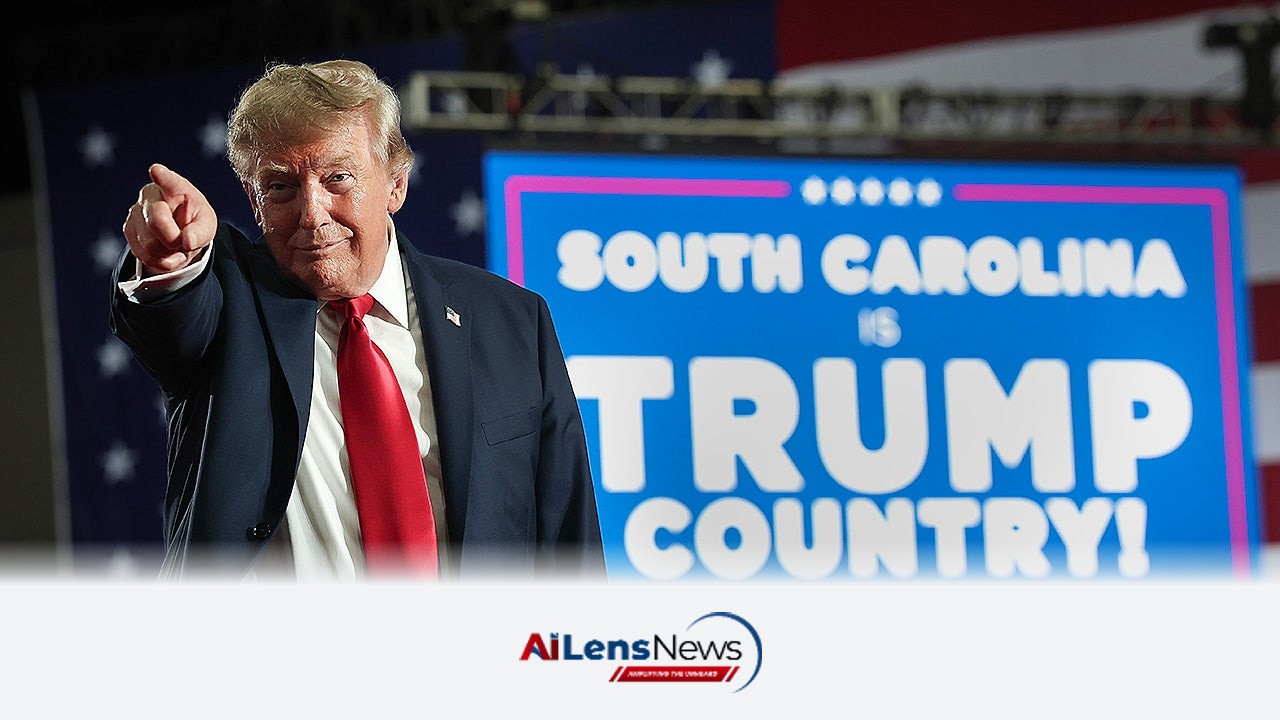



Polls have closed in Oklahoma and South Carolina as Trump-backed candidates face critical runoff elections, testing the former president's grip on the GOP.
Washington DC, United States Aug 25, 2026 ALN: The polls have closed in Oklahoma and South Carolina, marking a pivotal moment for former President Donald Trump as his influence over the GOP is tested in statewide runoff elections. The outcomes in these races could significantly impact the Republican landscape ahead of the upcoming midterms, which are crucial for both parties as they seek to gain or maintain control over Congress.
In South Carolina, Trump is backing Sen. Darline Graham in the Republican Senate nomination runoff. Graham is vying to succeed her late brother, GOP Sen. Lindsey Graham, who passed away unexpectedly this summer at the age of 71. Lindsey Graham had been a prominent figure in the Senate, known for his strong defense of conservative values and his close relationship with Trump during his presidency. His death has left a notable vacancy, and the Republican Party is eager to fill it with a candidate who can maintain the seat for the GOP in a state that has historically leaned Republican.
Meanwhile, in Oklahoma, Trump has endorsed former state budget secretary Mike Mazzei for the Republican gubernatorial nomination. This race is particularly significant as current GOP Governor Kevin Stitt is term-limited, opening the door for new leadership. Oklahoma has seen a series of changes in its political landscape, with the Republican Party dominating state politics in recent years. The gubernatorial race presents an opportunity for candidates to align themselves with Trump’s agenda, which has resonated strongly with the party's base.
Both candidates in these races are facing competitive contests, with Graham up against conservative Rep. Ralph Norman in South Carolina. The winner will replace the late senator on the midterm ballot in a state that has consistently leaned Republican. The dynamics of this race are particularly intriguing, as it not only involves the candidates' individual platforms but also the broader implications of Trump's endorsement, which has been a double-edged sword for many Republicans this election cycle.
Trump's endorsement carries weight, but it hasn't guaranteed success in South Carolina this election cycle. Just weeks ago, Trump-backed Lt. Gov. Pamela Evette lost a runoff election for the gubernatorial nomination despite being the top vote-getter in the primary. This loss raises questions about whether Trump's influence is waning in certain regions or if voters are becoming more discerning about the candidates they support, regardless of endorsements.
During a rally in Myrtle Beach, Trump urged South Carolina voters to support Graham, emphasizing the importance of her candidacy. "We need every South Carolina patriot to go to the polls and vote for Darline Graham," he stated, encouraging attendees to treat his name as if it were on the ballot. This rally underscores the significance of grassroots mobilization in the lead-up to the elections, as turnout will be critical in determining the outcomes.
Graham's campaign has also garnered support from South Carolina Governor Henry McMaster, who appointed her to fulfill her brother's term in the Senate. Additionally, she has received backing from Rep. Russell Fry and Sen. Tim Scott, further solidifying her position within the party. The endorsements from established figures in the South Carolina GOP may provide Graham with the necessary momentum to secure the nomination, as they bring with them a network of supporters and resources that could be pivotal in a close race.
In contrast, Norman has been vocal about his support for Trump while questioning the former president's endorsement of Graham. His campaign has been bolstered by endorsements from notable figures, including Mark Sanford, a former governor who previously challenged Trump in the 2020 presidential primaries. This endorsement could appeal to more moderate Republican voters who may be hesitant about aligning too closely with Trump’s brand of politics, highlighting the internal divisions within the party as it seeks to unify ahead of the midterms.
As the results from these runoffs come in, they will not only reflect the candidates' appeal but also serve as a barometer for Trump's ongoing influence within the Republican Party. The stakes are high, and the outcomes could reshape the political landscape as the midterms approach. Should Trump-backed candidates succeed, it would reinforce his hold over the party and signal to other GOP candidates that aligning with him is a viable strategy. Conversely, if his endorsements falter, it could suggest a shift in the party's dynamics, potentially allowing for a more diverse range of candidates to emerge in future elections.
The implications of these races extend beyond state lines, as they may signal trends that could affect Republican strategies nationally. As the party grapples with its identity post-Trump presidency, the outcomes in Oklahoma and South Carolina could provide insights into how voters are responding to Trump's legacy and whether they are ready to embrace candidates who either align closely with or distance themselves from his political brand. In a time of significant political polarization, these runoffs will serve as a critical test of loyalty, strategy, and the evolving landscape of American politics.
To learn more about the latest developments in Elections, stay updated with our exclusive reports and analyses on AILensNews.

