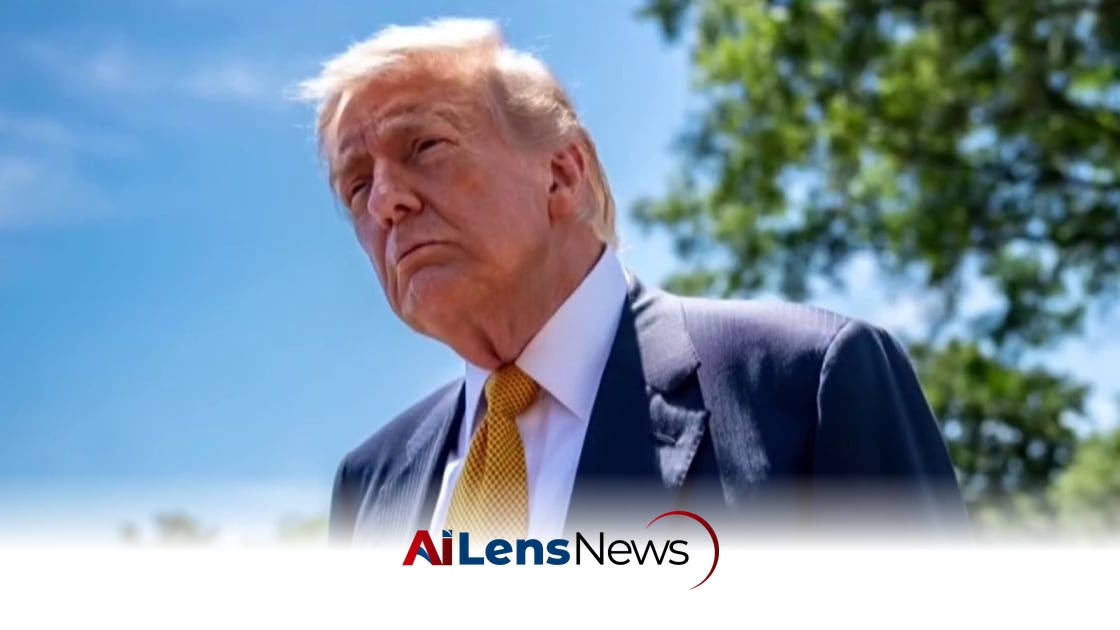


President Trump has announced new tariffs ranging from 10% to 12.5% on 60 countries, citing accusations of forced labor. The tariffs will take effect at 12:01 a.m. ET on Friday.
Washington DC, United States Jul 24, 2026 ALN: President Trump has announced new tariffs ranging from 10% to 12.5% on 60 countries, citing accusations of forced labor. These tariffs will take effect at 12:01 a.m. ET on Friday morning, marking a significant shift in U.S. trade policy and its approach to labor issues on a global scale. The decision represents a clear pivot in the administration's strategy, prioritizing ethical labor practices and the protection of American workers.
The rationale behind these tariffs is rooted in ongoing concerns regarding labor practices in various nations, particularly in industries where labor exploitation has been reported. The administration aims to address what it describes as unfair trade practices that undermine both American workers and ethical labor standards worldwide. This move is seen as an extension of previous efforts to hold foreign governments accountable for labor violations, particularly those that involve child labor, forced labor, and unsafe working conditions. The United States has long been a proponent of labor rights, and this latest action underscores its commitment to ensuring that global trade adheres to certain ethical standards.
The tariffs are expected to impact a wide range of goods imported from these countries, potentially raising prices for consumers. This could lead to higher costs for everyday products, from clothing to electronics, as businesses adjust to the new tariffs. The administration has indicated that it anticipates these tariffs will encourage companies to reassess their supply chains and labor practices, pushing them towards more ethical sourcing methods. The potential for increased consumer prices raises questions about how these tariffs will affect the average American household, particularly those already facing financial pressures due to inflation and economic uncertainty.
This announcement aligns with a broader strategy to reshape international trade relations and enforce stricter compliance with labor standards. The U.S. has been increasingly vocal about labor rights, particularly in trade agreements and negotiations. By imposing tariffs based on labor practices, the administration is sending a clear message that it prioritizes ethical labor standards and is willing to take economic measures to enforce them. This could mark a new era in trade negotiations, where labor practices are central to discussions rather than merely an afterthought.
The implications of these tariffs are multifaceted. On one hand, they may lead to improved labor conditions in the countries affected, as governments and companies may be pressured to reform their practices to avoid the economic repercussions of tariffs. This could foster a more equitable global labor market and encourage countries to adopt better labor laws and enforcement mechanisms. On the other hand, American consumers might face higher prices as businesses pass on the costs associated with these tariffs. Additionally, U.S. businesses that rely on imports from these nations may have to navigate complex adjustments in their supply chains, which could lead to delays and increased operational costs. The potential for job losses in industries reliant on imported goods could also become a contentious issue in the domestic political landscape.
As the tariffs approach, businesses and trade organizations are preparing for the implications of these new duties. Many companies are already assessing their supply chains to identify potential vulnerabilities and are exploring alternative sourcing options. This could lead to a significant shift in global supply chains, as businesses seek to mitigate the financial impact of the tariffs. Trade organizations have expressed concern that these tariffs could disrupt established trade relationships and lead to retaliatory measures from affected countries. Such retaliatory actions could escalate into broader trade conflicts, complicating the already intricate web of international trade relations.
In the coming days, more details are expected to emerge regarding the specific countries affected and the types of goods that will be subject to these new tariffs. Analysts are closely monitoring the situation, as the list of countries and products could have significant repercussions for global trade dynamics. Some experts warn that this could escalate tensions between the U.S. and its trading partners, particularly if countries retaliate with their own tariffs or trade barriers. The potential for a trade war looms large, reminiscent of previous conflicts that have disrupted global markets and created uncertainty for businesses and consumers alike.
Historically, tariffs have been a contentious tool in trade policy. They are often used to protect domestic industries from foreign competition but can also lead to trade wars, where countries continuously impose tariffs on each other's goods. The ongoing trade tensions between the U.S. and China, for example, have highlighted the complexities and potential downsides of using tariffs as a primary tool for addressing trade imbalances and labor issues. The interplay between tariffs and international relations reveals the delicate balance that must be maintained to avoid worsening economic conditions on a global scale.
The focus on labor practices is part of a larger trend in global trade, where consumers and advocacy groups are increasingly demanding transparency and ethical standards from companies. Many consumers are now more aware of the conditions under which products are made and are willing to pay a premium for goods that are sourced ethically. This shift in consumer behavior is prompting companies to adopt more responsible sourcing practices, which may ultimately lead to better labor conditions worldwide. The increased visibility of labor issues in global supply chains has led to heightened scrutiny of corporate practices, compelling businesses to prioritize ethical considerations in their operations.
Moreover, the Biden administration's approach to trade may differ significantly from that of the Trump administration, as it has indicated a willingness to engage in multilateral discussions to address labor issues and trade practices. This could lead to a reevaluation of how tariffs are implemented and the criteria used to determine their necessity. The emphasis on collaboration and dialogue in trade negotiations may open new avenues for addressing labor rights without resorting to unilateral tariffs, potentially fostering a more cooperative international trade environment.
As the global economy continues to evolve, the intersection of trade policy and labor rights will likely remain a critical area of focus. The outcome of these new tariffs could set a precedent for how the U.S. and other countries address labor issues in the future, potentially influencing trade agreements and international labor standards. The long-term effects of these tariffs may extend beyond immediate economic implications, shaping the future landscape of global trade and labor relations.
In conclusion, President Trump's imposition of new tariffs on 60 countries represents a significant development in U.S. trade policy, emphasizing the importance of ethical labor practices. As businesses and consumers brace for the impact of these tariffs, the international community will be watching closely to see how this decision shapes global trade dynamics and labor conditions in the affected countries. The broader implications of this policy could resonate for years to come, influencing not only economic relationships but also the fundamental principles that govern labor rights and ethical sourcing in the global marketplace.
To learn more about the latest developments in Elections, stay updated with our exclusive reports and analyses on AiLensNews.

