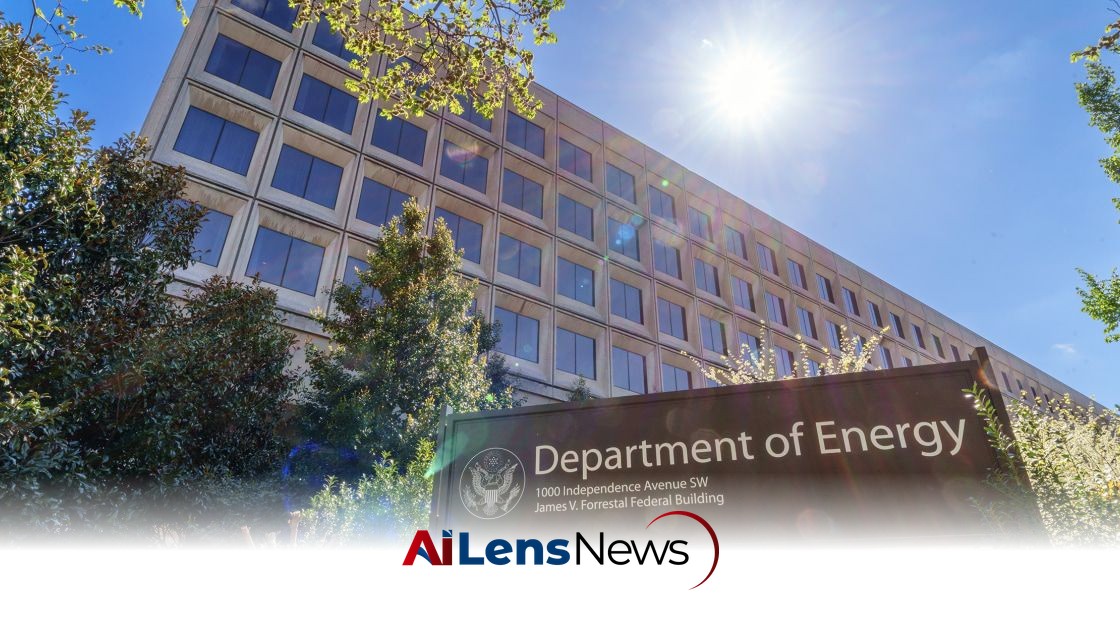


The Trump administration has acknowledged terminating nearly 300 federal research grants due to their association with states that voted against Trump in 2024, raising concerns over political influence in funding decisions.
Washington DC, United States Jul 25, 2026 ALN: The Trump administration's recent admission regarding the termination of nearly 300 federal research grants has raised significant concerns about the intersection of politics and federal funding. This situation has emerged from a lawsuit filed by researchers from the University of California, which contested the legality of these grant cancellations. In its court filings, the administration acknowledged that the grants in question were terminated "solely because" they were linked to states that did not support President Donald Trump in the 2024 election and had Democratic senators in office. This admission has sparked debates about the potential politicization of federal research funding and its implications for scientific inquiry and public policy.
The context surrounding this admission is crucial for understanding its implications. Federal research grants are essential for advancing knowledge in various fields, including energy, health, and environmental science. These grants often support projects that can lead to significant technological advancements and contribute to the public good. However, the Trump administration's actions suggest a shift in how these funds are allocated, potentially prioritizing political loyalty over scientific merit and societal benefit.
According to the court filings, the Department of Energy identified a total of 624 grants that were either terminated or canceled, with 284 of these specifically marked for termination in October 2025. The principal deputy general counsel of the Department of Energy, Jeff Novak, stated that these grants were connected to states that awarded their electoral votes to Kamala Harris in the 2024 election and had two Democratic senators. This raises questions about the criteria used for grant cancellations and whether they were influenced by the political landscape rather than objective assessments of the projects' value or performance.
Novak's statement highlighted that the remaining 340 grants proposed for termination were not canceled and were associated with states that supported Trump or had Republican senators. This dichotomy illustrates a clear political divide in the administration's approach to funding, suggesting that the grants were not evaluated on their scientific merit but rather on the political affiliation of their locations. Such a practice could undermine the integrity of the scientific process, as researchers may feel pressured to align their work with the prevailing political climate to secure funding.
In response to the lawsuit and the allegations of political bias, the Department of Energy has maintained that the termination decisions were not politically motivated. Ben Dietderich, the press secretary for the Energy Department, argued that the interpretation of Novak's statements as evidence of political bias was a misrepresentation. He emphasized that Secretary Chris Wright had consistently denied any political influence in grant cancellation decisions, insisting that these decisions were based on other factors.
However, the broader implications of this situation extend beyond the immediate controversy. The admission of politically motivated cancellations could have far-reaching effects on the scientific community's relationship with the federal government. Researchers may become increasingly wary of pursuing projects that could be deemed politically sensitive, potentially stifling innovation and critical research that does not align with the current administration's agenda. This could lead to a chilling effect on academic freedom and a reduction in the diversity of research topics being explored.
Furthermore, the timing of this revelation coincides with the Office of Management and Budget's proposal for a new rule that would grant political appointees greater control over federal grant funding. This rule aims to ensure that grants align with the priorities of the sitting president and improve oversight. However, critics argue that this could further entrench political considerations into the grant-making process, allowing for the termination of grants that do not conform to the administration's ideology or perceived interests.
The implications of such a shift in grant oversight could be profound, particularly in fields that rely heavily on federal funding, such as climate science, public health, and social sciences. The potential for political appointees to screen grant applications based on subjective criteria—such as whether a project promotes "anti-American values"—raises concerns about the erosion of scientific objectivity and the politicization of research funding.
In addition to the specific grants canceled by the Department of Energy, the Trump administration has targeted other funding streams based on political considerations. For instance, since taking office for a second term, the administration has canceled grants that include mentions of Diversity, Equity, and Inclusion (DEI) and has frozen research funding at institutions like Harvard due to allegations of antisemitism. These actions reflect a broader trend of using federal funding as a tool for political leverage, potentially compromising the independence of academic institutions.
Moreover, President Trump has openly threatened to withdraw federal funding from states that do not adhere to his policies, particularly regarding immigration and sanctuary cities. This approach not only politicizes federal funding but also creates an environment where states may feel compelled to align their policies with federal expectations to secure necessary resources. Such a dynamic could exacerbate existing political divisions and lead to further polarization within the scientific community.
In conclusion, the Trump administration's admission regarding the cancellation of federal research grants based on political bias raises critical questions about the future of scientific research and the integrity of federal funding processes. As the legal proceedings continue and the implications of the proposed rule from the Office of Management and Budget unfold, it is essential for the scientific community, policymakers, and the public to engage in discussions about the importance of maintaining an objective and equitable funding landscape. The potential consequences of politicizing research funding could have lasting effects on innovation, academic freedom, and the pursuit of knowledge in the United States.
To learn more about the latest developments in Political Controversies, stay updated with our exclusive reports and analyses on AiLensNews.

