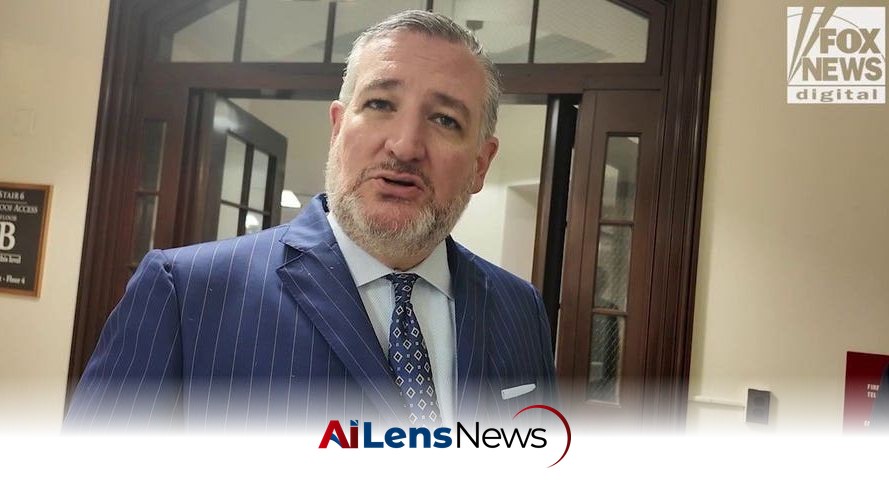


Senator Ted Cruz demands Anthony Fauci face prosecution for perjury after Fauci invoked the Fifth Amendment multiple times during a Senate hearing.
Washington DC, United States Jul 30, 2026 ALN: Senator Ted Cruz, R-Texas, has recently intensified his long-standing criticism of Dr. Anthony Fauci, the former White House COVID-19 adviser, calling for him to be held in contempt, prosecuted for perjury, and potentially face jail time. This demand arose following a Senate hearing in which Fauci invoked his Fifth Amendment right over 100 times, effectively refusing to answer questions posed by the Senate committee. This situation has sparked renewed debate about accountability and transparency in government, particularly in the context of the COVID-19 pandemic.
Cruz's remarks reflect a broader political landscape where public health officials and government responses to the COVID-19 pandemic have become polarizing topics. The Fifth Amendment of the U.S. Constitution protects individuals from being compelled to testify against themselves in criminal cases. However, Cruz and other critics argue that Fauci's repeated invocation of this right during the hearing indicates an attempt to evade accountability for his actions and statements during the pandemic. This interpretation of Fauci's actions has been met with both support and criticism, underscoring the complexity of the issues at hand.
In an interview with Fox News Digital, Cruz articulated his views, stating, "Years from now they'll look back and say, ‘What collective madness overtook this country?’" This statement underscores Cruz's belief that the decisions made during the pandemic will be scrutinized in the future, especially concerning the actions of public health officials like Fauci. Cruz's rhetoric reflects a growing sentiment among certain segments of the population who feel that the measures taken during the pandemic were excessive and damaging.
Cruz's assertion that Fauci has demonstrated a "contempt for Congress and contempt for the American people for decades" highlights a significant aspect of the ongoing debate about trust in government institutions and public health authorities. The senator's comments come in the wake of Senate Homeland Security and Governmental Affairs Committee Chairman Rand Paul announcing his intention to pursue contempt charges against Fauci. Paul’s actions are indicative of a faction within the Republican party that has sought to hold Fauci accountable for his handling of the COVID-19 crisis. This political maneuvering illustrates how deeply the pandemic has affected partisan politics, with both sides using it to galvanize their respective bases.
Fauci's tenure as the director of the National Institute of Allergy and Infectious Diseases (NIAID) has been marked by significant public scrutiny, particularly regarding his statements about the origins of COVID-19. Cruz and other critics have accused Fauci of being dishonest about the origins of the virus, alleging that he downplayed the possibility of a laboratory origin, which some scientists had considered early in the pandemic. Cruz pointed to Fauci's private diaries, which reportedly reveal that he had doubts about the virus's origins and yet publicly stated otherwise, leading to accusations of duplicity. This controversy is emblematic of the broader challenges faced by public health officials who must navigate complex scientific debates while also addressing public concerns and political pressures.
In addition to the allegations regarding the origins of COVID-19, Cruz also criticized Fauci's role in advocating for school lockdowns during the pandemic. According to Cruz, Fauci's diaries indicate that he actively influenced government officials in states like New York and California to implement these lockdowns. This claim stands in stark contrast to Fauci's public statements, where he distanced himself from the decision-making process regarding school closures, asserting that he "did not close the schools." This discrepancy has fueled further allegations of dishonesty and misrepresentation on Fauci's part, raising questions about the transparency of communication between public health officials and the public.
Cruz's remarks regarding the impact of school closures reflect a broader concern among some policymakers and educators about the long-term consequences of such measures. The senator described the school shutdowns as potentially "the single most destructive public policy step we've seen in decades," emphasizing the notion that the educational setbacks experienced by students during this period could have lasting effects on their development and future opportunities. As schools grapple with the aftermath of closures, many educators and parents are voicing concerns about the widening achievement gap and the mental health impacts on students.
As the COVID-19 pandemic unfolded, the decisions made by public health officials were often met with mixed reactions from the public and lawmakers. The push for lockdowns, mask mandates, and vaccination campaigns became contentious issues, with some viewing these measures as necessary for public safety, while others criticized them as overreach and damaging to personal freedoms and economic stability. This polarization has created an environment where public health messaging has struggled to resonate with segments of the population, complicating efforts to manage public health effectively.
The political ramifications of Cruz's statements and the ongoing investigations into Fauci's conduct are significant. They highlight the deepening divide between political parties regarding public health policy and the role of government in managing crises. Cruz's call for prosecution could set a precedent for how public health officials are treated in the future, particularly if their decisions are perceived as controversial or harmful. This potential precedent raises important questions about the balance between accountability and the necessity of making difficult decisions in the face of public health emergencies.
Moreover, the scrutiny of Fauci's actions and statements may reflect a broader trend in which public officials are increasingly held accountable for their decisions during crises. As the nation continues to grapple with the aftermath of the COVID-19 pandemic, the discourse surrounding accountability, transparency, and trust in government institutions is likely to remain a focal point in American politics. This ongoing debate may influence how future public health crises are managed and how officials are held accountable for their roles in shaping public policy.
In conclusion, Cruz's call for jail time for Fauci underscores the contentious atmosphere surrounding the COVID-19 pandemic and the actions of public health officials. As investigations continue and political debates evolve, the implications of these discussions will likely resonate far beyond the current moment, influencing how future public health crises are managed and how officials are held accountable for their roles in shaping public policy. The outcome of these debates may also impact public trust in health authorities and the willingness of officials to take decisive action in future emergencies, which could have lasting effects on public health outcomes in the United States.
To learn more about the latest developments in Political Controversies, stay updated with our exclusive reports and analyses on AiLensNews.

