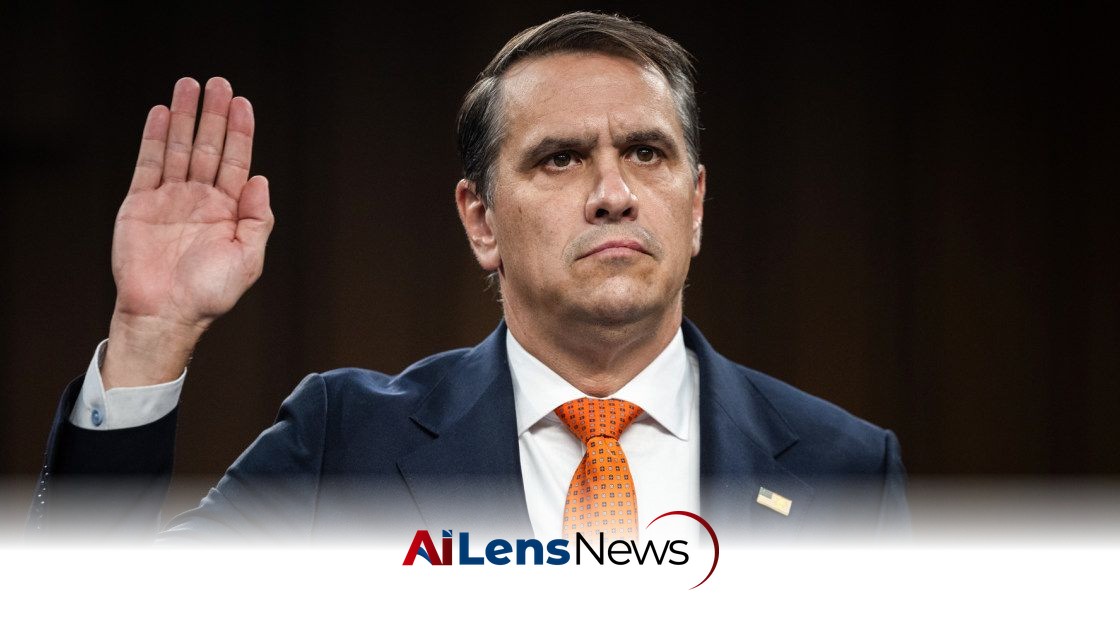


The Senate Judiciary Committee has postponed the vote on Todd Blanche's nomination for attorney general due to unresolved issues raised by Republican senators regarding a Trump-IRS settlement.
Washington DC, United States Jul 30, 2026 ALN: The Senate Judiciary Committee has postponed its vote on Todd Blanche’s nomination to be attorney general, a decision that underscores the complexities surrounding the confirmation process for President Donald Trump's nominees. This delay comes after Republican Senators John Cornyn of Texas and Thom Tillis of North Carolina expressed concerns over the lack of written assurances from the Justice Department regarding a settlement between Trump and the IRS.
The committee had originally scheduled the vote for Thursday morning, but the two senators, who have had their own contentious relationships with Trump, found themselves in a position where they felt it necessary to seek further clarification from the Justice Department. Both Cornyn and Tillis are not facing re-election this November, allowing them some latitude to voice their concerns without the immediate pressure of electoral consequences.
In a meeting held the day before the scheduled vote, Cornyn and Tillis discussed their demands with Judiciary Committee Chair Chuck Grassley, R-Iowa. The postponement was announced later that evening, with a spokesperson for the committee emphasizing that Grassley is committed to setting up Trump's nominees for success rather than failure. The spokesperson noted, "Senators Cornyn and Tillis want written assurances from the Department of Justice regarding the Trump-IRS settlement. Tomorrow’s markup is postponed as work continues to secure sufficient support in committee to favorably report Attorney General-nominee Todd Blanche, who is highly qualified for the job." This statement reflects the ongoing negotiations that are critical to Blanche's potential confirmation.
A Justice Department official later confirmed that new language had been transmitted to Cornyn and Tillis, indicating that discussions aimed at resolving their concerns were ongoing. Much of the negotiation revolves around an "anti-weaponization" fund that was established as part of a settlement agreement between Trump and the executive branch concerning a lawsuit he filed over the disclosure of his tax records. This lawsuit has had significant ramifications, including the conviction of a former IRS contractor who was sentenced to five years in prison.
The legal landscape surrounding this issue is complicated. A federal judge in Virginia has indefinitely blocked the anti-weaponization fund following a lawsuit from a former prosecutor involved in the January 6 investigations. Furthermore, a federal judge in Florida criticized Trump’s IRS lawsuit, declaring it was brought in "bad faith" and for an "improper purpose," leading to sanctions against several individuals, including Blanche himself.
The settlement agreement in question also includes provisions that grant Trump, along with his family members and businesses, protections from IRS audits. This aspect has drawn particular scrutiny and is central to the concerns raised by Cornyn and Tillis. Tillis has been vocal about his demands to the Justice Department, stating that he wants to see the anti-weaponization fund eliminated and the settlement terms narrowed regarding IRS audit protections. He articulated a straightforward condition: "Get whoever the president’s lawyers are the parties to the agreement to sign off on that, we’re good to go."
In the days leading up to the vote, Tillis noted that he had been in "constant daily contact with the DOJ" and that they were actively drafting a response to his concerns. After his meeting with Grassley and Cornyn, Tillis expressed optimism that the Justice Department was aligning with his demands concerning the anti-weaponization fund, but he still required clarification on the extent of protections against IRS audits for Trump and his associates.
Cornyn, who faced a primary challenge from Trump-endorsed Texas Attorney General Ken Paxton, stated that the timing of the vote is ultimately at Grassley’s discretion. The uncertainty surrounding when the vote will be rescheduled adds another layer of complexity to the confirmation process. Cornyn has been critical of Blanche’s team, claiming they have not provided adequate written proposals to modify the document release related to the tax dispute with Trump. He remarked, "I haven’t seen a single piece of writing that is responsive to what I’ve requested," highlighting the challenges Blanche faces in garnering the necessary support from Senate Republicans.
As the negotiations continued, tensions appeared to escalate. Cornyn accused the administration of using Trump’s lack of endorsement for him in the primary as a justification for holding up the vote, which he described as a "convenient excuse" for not cooperating with the Judiciary Committee's responsibilities regarding judicial confirmations. This sentiment reflects the broader political dynamics at play, as the relationship between Senate Republicans and Trump has been fraught with tension, particularly as some members of the GOP navigate their own political futures in the wake of Trump's influence.
On the other side of the aisle, the administration was reportedly frustrated with Cornyn, suggesting that he was shifting the goalposts, canceling meetings, and refusing to communicate effectively despite the Justice Department's efforts to address his concerns. This characterization of Cornyn's conduct indicates a significant degree of frustration within the administration regarding the confirmation process and the challenges posed by Republican senators who are not fully aligned with Trump.
Todd Blanche, who previously served as Trump’s personal defense attorney, held a key position as the No. 2 official at the Justice Department until Trump dismissed Pam Bondi from her role as attorney general in April, citing frustrations with her leadership. After taking over as acting attorney general, Blanche publicly stated that Americans should be "happy" about Trump’s involvement in Justice Department matters, a comment that has drawn scrutiny given the ongoing investigations and legal challenges surrounding Trump and his associates.
In the weeks following his appointment as acting attorney general, Blanche oversaw the indictment of former FBI Director James Comey, a move that was perceived as politically motivated by many observers. Comey’s legal team has since argued in court filings that the indictment was a direct result of Blanche’s desire to curry favor with Trump during his "audition" for the permanent role as attorney general. This context adds another layer of complexity to Blanche’s nomination, as his ties to Trump and the nature of his previous actions as acting attorney general are likely to be scrutinized during the confirmation process.
During his recent confirmation hearing, Blanche sought to distance himself from the perception that he is merely a "yes man" for Trump, asserting that he is capable of independent judgment and decision-making. However, the ongoing concerns raised by senators like Cornyn and Tillis may complicate his efforts to secure the necessary votes for confirmation. As the political landscape evolves, the implications of this nomination extend beyond Blanche himself, reflecting broader tensions within the Republican Party and the ongoing challenges of navigating the confirmation process amidst a politically charged environment.
To learn more about the latest developments in Elections, stay updated with our exclusive reports and analyses on AiLensNews.

