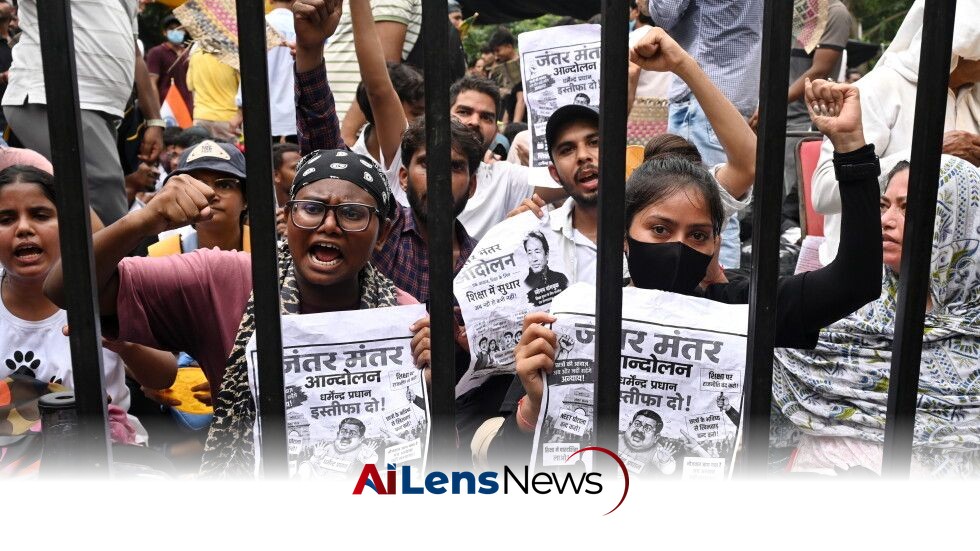


The 'Cockroaches' protest movement is gaining momentum in India, challenging the government's accountability and addressing systemic issues in education.
Washington DC, United States Jul 23, 2026 ALN: In recent months, a protest movement known as the 'Cockroaches' has emerged in India, capturing national attention and challenging the establishment led by Prime Minister Narendra Modi. Originally a joke among young Indians, the term has transformed into a rallying cry for those disillusioned with the government's handling of various issues, particularly in the education sector. The rise of this movement reflects a growing sentiment among the youth, who are increasingly vocal about their frustrations and aspirations for a more equitable and accountable governance system.
The movement began as a humorous reference, with young people likening themselves to cockroaches—creatures that are often underestimated but demonstrate remarkable resilience and adaptability. This metaphor quickly evolved into a serious critique of the government's policies, particularly in relation to education and youth empowerment. Activists have adopted the name to symbolize their determination to fight against what they perceive as systemic failures and to demand a better future for themselves and their peers.
Historically, protest movements in India have often emerged from dissatisfaction with government policies or actions. However, the 'Cockroaches' movement is particularly notable for its grassroots origins and its ability to resonate with a generation that feels increasingly marginalized. The term's transformation from a joke to a symbol of resistance encapsulates the frustration of many young Indians, who feel that their voices are not being heard in the corridors of power.
The movement has garnered significant support from various segments of society, including students, educators, and activists. Social media platforms have played a crucial role in amplifying their message, allowing them to reach a wider audience and mobilize protests across the country. Hashtags related to the movement have trended on platforms like Twitter and Instagram, creating a sense of solidarity among supporters and drawing attention to the issues at stake.
In addition to social media, traditional forms of protest such as rallies, sit-ins, and public demonstrations have been organized to voice their demands. These events have attracted participants from diverse backgrounds, showcasing a united front against perceived government inaction. The movement's ability to connect with a broad audience has been instrumental in sustaining momentum and fostering a sense of community among its supporters.
Despite its growing popularity, the 'Cockroaches' movement faces challenges, including government pushback and attempts to delegitimize their protests. Authorities have responded to demonstrations with increased surveillance and, in some cases, heavy-handed tactics to disperse crowds. Activists remain undeterred, emphasizing the importance of their cause and the need for sustained pressure on the government. The resilience of the movement is evident in its ability to adapt to challenges and maintain its focus on key issues.
Moreover, the movement faces the challenge of maintaining unity among its supporters, as differing opinions and strategies can sometimes lead to fragmentation. Navigating these internal dynamics while staying true to their core message will be crucial for the movement's longevity and effectiveness. As the political landscape continues to evolve, the 'Cockroaches' must also adapt their strategies to ensure that their voices remain relevant and impactful.
The 'Cockroaches' protest movement represents a significant shift in India's political landscape, as young people increasingly demand accountability and reform. As they continue to mobilize and raise awareness, the movement could have lasting implications for the future of governance in India. The challenges they face are formidable, but the determination of this new generation of activists to advocate for their rights and the future of their country is a testament to their resilience.
In the coming months and years, the outcomes of this movement will likely influence not only educational policies but also broader societal attitudes towards governance and civic engagement. The 'Cockroaches' are not just fighting for their immediate concerns; they are also laying the groundwork for a more inclusive and participatory political culture in India. The implications of their struggle extend beyond the current political climate, potentially shaping the future of democracy in the country.
To learn more about the latest developments in Political Controversies, stay updated with our exclusive reports and analyses on AiLensNews.

