

The Pentagon has faced criticism for its slow reporting of US troop injuries during the ongoing conflict with Iran, citing security concerns as the reason for the delay.
Washington DC, United States Jul 21, 2026 ALN: The ongoing conflict between the United States and Iran has escalated tensions in the Middle East, prompting increased military engagement and a significant presence of U.S. troops in the region. As hostilities have intensified, the Pentagon's approach to disclosing information regarding U.S. troop injuries has come under scrutiny. The lack of timely updates and transparency surrounding injuries sustained by service members raises concerns among lawmakers, military families, and the public.
The Pentagon's slow disclosure of injuries can be traced back to a broader context of military operations and the sensitive nature of information in conflict zones. The Defense Casualty Analysis System (DCAS), which serves as the official source for tracking U.S. troop casualties, has been criticized for its reporting delays. The system is designed to document injuries and fatalities, but the process can be cumbersome, often taking several days or even weeks for injuries to be officially recorded. This lag is attributed to the necessary medical evaluations and reviews that must take place before information is entered into the system.
Historically, U.S. Central Command (CENTCOM), which oversees military operations in the region, provided more frequent updates regarding troop injuries. However, in recent months, this practice has changed, with fewer updates being issued. This shift has led to a reliance on the DCAS for casualty figures, resulting in a situation where the public and stakeholders are left without timely information about the well-being of service members engaged in active combat.
As of mid-July, the DCAS reported only one new U.S. fatality since the signing of a memorandum of understanding between the U.S. and Iran in June. This fatality was identified as Navy Cmdr. Gabriel Edwards, who tragically lost his life in a helicopter accident in the Arabian Sea. The DCAS also recorded a total of 14 wounded troops, a figure that had not changed from previous updates. This inconsistency in reporting raises questions about the accuracy and completeness of the data being shared.
In subsequent updates, injuries were reported in batches, indicating a lack of real-time tracking. For example, one Air Force member was recorded as wounded in an update on July 13, while a larger group of 13 soldiers and sailors were reported as wounded in a later update on July 17. These sporadic updates contribute to the perception that the Pentagon is not fully transparent about the extent of injuries sustained by U.S. forces.
Following the initial publication of this report, the DCAS website was updated to reflect additional casualties, including four new soldier deaths and 20 additional wounded troops. However, the Pentagon's top spokesperson, Sean Parnell, indicated that many injuries remain unrecorded. He stated that "nearly 100 service members" have been injured since early July, with most injuries categorized as minor concussions. This discrepancy between reported figures and actual injuries further complicates the narrative surrounding U.S. troop safety.
Parnell defended the Pentagon's decision to delay injury reports, emphasizing the need to protect the safety of the more than 50,000 U.S. troops stationed across the Middle East. He articulated the concern that providing real-time information on non-fatal casualties could inadvertently aid adversaries, potentially putting service members at greater risk. This rationale reflects a broader military strategy that prioritizes operational security over immediate transparency.
Despite the delays in casualty reporting, Parnell asserted that the Pentagon and CENTCOM have consistently provided comprehensive updates regarding U.S. military operations in Iran. He highlighted public statements made by President Donald Trump and Defense Secretary Pete Hegseth as evidence of the administration's commitment to transparency regarding military objectives and actions. However, critics argue that this approach does not adequately address the need for timely information on troop injuries, which is crucial for families and the public to understand the human cost of the conflict.
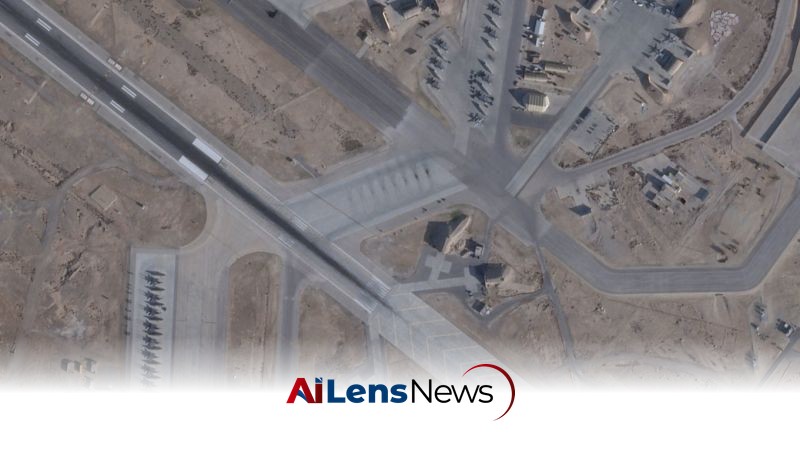
Recent Iranian missile attacks have further complicated the situation, resulting in casualties among U.S. troops. For instance, an attack on the Muwaffaq Salti Air Base in Jordan led to the deaths of two U.S. service members, with one still reported as missing. Additionally, another U.S. troop was killed during the controlled detonation of a downed Iranian drone in northern Iraq. These incidents underscore the dangers faced by U.S. forces and the urgent need for accurate reporting on injuries and fatalities.
In the wake of these attacks, CENTCOM reported that one servicemember was wounded in the Iraq incident, while four others were treated and released from Jordanian hospitals following the airbase attack. An undisclosed number of personnel who were evaluated for minor injuries have since returned to duty. This highlights the ongoing risks that U.S. troops encounter in conflict zones, as well as the importance of timely and accurate reporting to ensure accountability and transparency.
The implications of the Pentagon's delayed disclosures extend beyond the immediate context of troop safety. For military families, the lack of timely information can create anxiety and uncertainty regarding the well-being of their loved ones. Additionally, lawmakers may feel compelled to scrutinize military operations and oversight, potentially leading to calls for reforms in how casualty data is reported and communicated to the public.
As the conflict with Iran continues to evolve, the need for a balanced approach to information dissemination becomes increasingly apparent. While operational security is paramount, the Pentagon must also consider the importance of transparency and accountability in maintaining public trust and support for military operations. The ongoing discourse surrounding troop injuries will likely remain a critical issue, necessitating careful navigation by military officials and policymakers alike.
In conclusion, the Pentagon's handling of troop injury disclosures amid the ongoing conflict with Iran raises significant questions about transparency, accountability, and the balance between operational security and the public's right to know. As the situation develops, it will be essential for military leaders to address these concerns while ensuring the safety and well-being of U.S. service members deployed in harm's way.
To learn more about the latest developments in Political Controversies, stay updated with our exclusive reports and analyses on AiLensNews.

