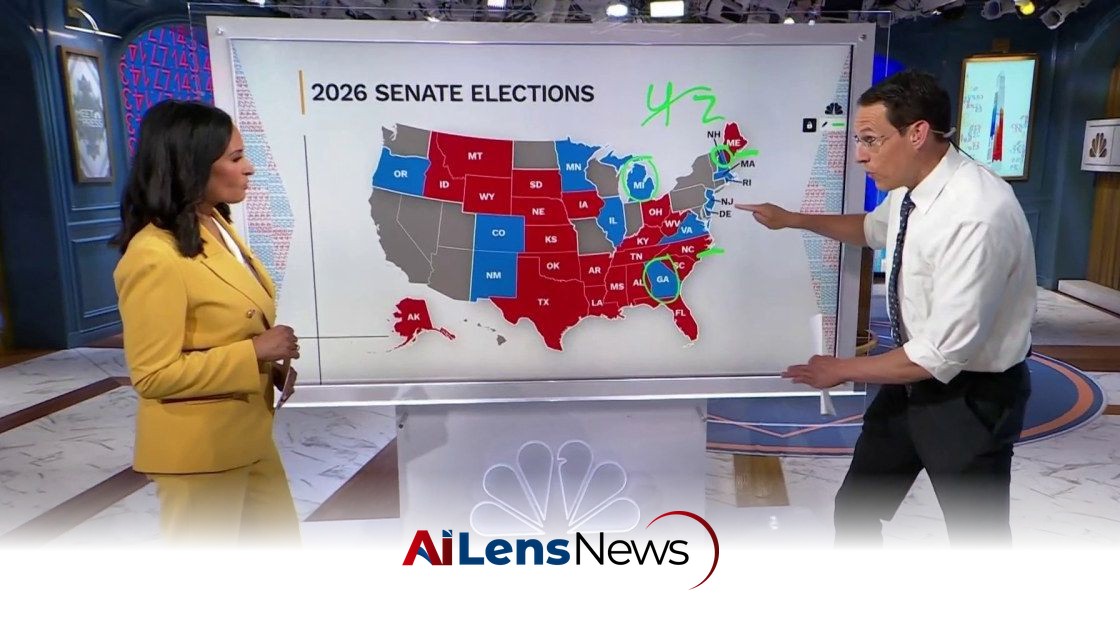


NBC News Chief Data Analyst Steve Kornacki discusses crucial states Democrats must secure to maintain control of Congress as midterm elections approach.
Washington DC, United States Jul 26, 2026 ALN: NBC News Chief Data Analyst Steve Kornacki recently joined the program Meet the Press to provide an in-depth analysis of the pivotal issues impacting both Republicans and Democrats as the midterm elections draw near, just 100 days away. With the elections looming, Kornacki's analysis is particularly relevant as it sheds light on the factors that could determine the control of Congress and the future political landscape of the United States.
The midterm elections, which take place every four years halfway through a president’s term, are crucial for both parties. Historically, the party that holds the presidency tends to lose seats in Congress during the midterms. This trend is often attributed to various factors, including voter fatigue with the incumbent party and the natural ebb and flow of political power in a democratic system. This year, the stakes are exceptionally high, as Democrats aim to maintain their slim majority in both the House of Representatives and the Senate, while Republicans are eager to capitalize on any dissatisfaction with the current administration.
During the segment, Kornacki highlighted the importance of specific states that Democrats must win to retain control of Congress. He utilized a detailed electoral map to illustrate potential outcomes and strategies for both parties. The concept of battleground states—those where both parties have similar levels of support among voters—has become a focal point in election strategies, as these states can swing either way, ultimately determining the overall outcome. The dynamics in these battleground states are further complicated by demographic shifts, local issues, and national trends.
Key states identified by Kornacki include:
Kornacki's analysis emphasized the need for Democrats to focus their efforts on these states, as they represent both opportunities and challenges in the upcoming elections. The discussion also touched on the broader implications of voter sentiment and key issues such as the economy, healthcare, and social justice that could influence voter behavior. For instance, inflation and economic recovery are front-of-mind issues for many voters, and how the Democratic Party addresses these concerns could significantly impact their electoral prospects. The party's ability to communicate effective solutions and connect with voters on these pressing issues will be critical to their success.
As the midterms approach, Kornacki's insights provide a roadmap for understanding the electoral landscape and the strategies needed for success in November. The analysis not only highlights the importance of targeted campaigning in key states but also underscores the necessity for both parties to adapt to the evolving political climate. Voter turnout will be critical, and both parties must engage with their constituencies to ensure that their voices are heard in the electoral process. This engagement often takes the form of town halls, community events, and digital outreach efforts aimed at mobilizing voters.
In addition to Kornacki's insights, political analysts and strategists are closely monitoring polling data and voter sentiment as they prepare for the midterms. Polling data can provide a snapshot of where voters stand on various issues, but it is essential to consider the context in which these polls are conducted. Factors such as the timing of the polls, the demographic makeup of respondents, and the methodology used can all influence the results. Moreover, the interpretation of polling data is often subject to debate, as different analysts may draw varying conclusions from the same set of numbers.
The implications of the midterm elections extend beyond the immediate electoral outcomes. The results will shape the legislative agenda for the next two years and influence the political dynamics heading into the 2024 presidential election. A shift in control of Congress could lead to significant changes in policy direction, impacting issues ranging from healthcare and education to climate change and immigration reform. For instance, if Republicans gain control, they may seek to roll back certain policies enacted by the Biden administration, while Democrats would likely push for more progressive reforms if they maintain their majority.
As both parties gear up for the midterms, the focus will likely intensify on voter outreach efforts, campaign messaging, and the role of external factors such as economic conditions and social movements. The stakes are high, and the outcome of the midterm elections will undoubtedly have a lasting impact on the political landscape in the United States. The interplay between local issues and national narratives will be crucial, as candidates seek to resonate with voters on both fronts. Furthermore, the role of social media and digital campaigning is expected to be more pronounced than ever, as candidates leverage these platforms to reach and engage with a wider audience.
To learn more about the latest developments in Elections, stay updated with our exclusive reports and analyses on AiLensNews.

