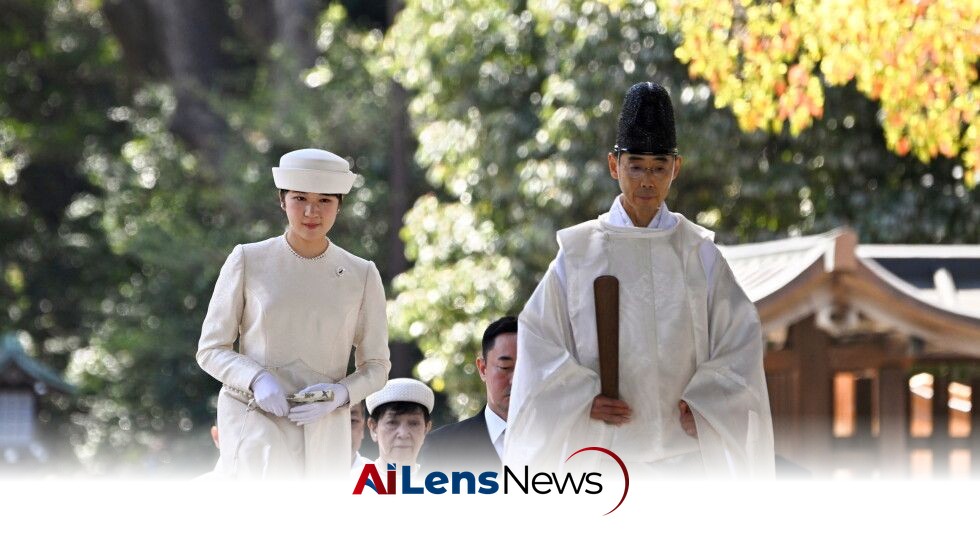


In a historic move, Japan's parliament has revised the Imperial House Law to ensure only males from the paternal line can ascend to the throne, amid concerns over the shrinking imperial family.
Washington DC, United States Jul 17, 2026 ALN: In a significant legislative change, Japan's parliament has enacted a revision to the Imperial House Law, affirming that only males from the paternal lineage can inherit the throne. This decision comes as the imperial family faces a declining number of male heirs, raising concerns about its future. The move has sparked a wide-ranging debate about gender roles, tradition, and the future of the monarchy in Japan.
The Imperial House Law, originally established in the early 20th century, has been a topic of intense debate in recent years. This law, which dictates the rules of succession to the Chrysanthemum Throne, has historically favored male heirs, reflecting a long-standing tradition within Japanese society that emphasizes patriarchal lineage. As of now, the imperial family has only one male heir, Prince Hisahito, who was born in 2006. Hisahito is the only son of Prince Akishino and Princess Kiko, and he has no male siblings. Meanwhile, Princess Aiko, the daughter of Emperor Naruhito and Empress Masako, is not eligible to inherit the throne due to the existing laws that restrict succession to male heirs only.
The declining number of male heirs has raised alarms about the future of the imperial family, prompting discussions about potential reforms to the succession laws. Over the years, various proposals have been put forward to allow female members of the imperial family to ascend the throne, but these have faced significant opposition from traditionalists who argue that such changes would undermine centuries of Japanese tradition. The historical context of the imperial family is deeply intertwined with Japan's national identity, and any changes to its structure are viewed through the lens of cultural heritage.
The revision was passed following extensive discussions in the National Diet, Japan's bicameral legislature. The debate surrounding this issue has been passionate and multifaceted. Supporters of the male-only succession law argue that it is essential for preserving the imperial lineage, which they believe is a key aspect of Japan's cultural heritage. They contend that allowing women to ascend the throne could lead to a dilution of the imperial family's historical significance and disrupt the established order. This perspective is rooted in the belief that the monarchy should reflect the historical values and practices that have shaped Japan over centuries.
On the other hand, critics of the law express concerns about gender equality and the exclusion of women from succession. They argue that Japan should modernize its views on gender roles and allow for a more inclusive approach to the monarchy. The debate reflects broader societal discussions about gender roles in Japan, where traditional views often clash with contemporary values advocating for equality and women's rights. This tension is particularly evident in the context of the imperial family, which is seen by many as a symbol of Japan's historical and cultural identity. The discussions in parliament have often mirrored the sentiments of the public, with many citizens expressing a desire for a monarchy that represents all of Japan's people, regardless of gender.
Public opinion on the matter is divided. Some citizens support the traditional view of male-only succession, citing a desire to uphold centuries-old customs and the belief that the imperial family should remain a distinctly male lineage. Conversely, a significant portion of the population advocates for a more progressive approach, calling for reforms that would allow women to ascend the throne. These advocates argue that the imperial family should reflect modern values and the changing roles of women in society. This divergence in public sentiment highlights the complexities of cultural identity in a rapidly modernizing Japan.
Surveys conducted in recent years have shown that a growing number of Japanese citizens are in favor of allowing female succession, particularly in light of the declining number of male heirs. This shift in public sentiment indicates a potential for change in the future, even if the current law remains in place. The debate over the succession law has also been influenced by the increasing visibility of women in leadership roles across various sectors in Japan, further highlighting the disconnect between traditional practices and contemporary societal values. As more women break barriers in politics, business, and other fields, the call for gender equality within the imperial family has gained momentum.
This legislative change could have lasting implications for the imperial family and its role in Japanese society. As the family continues to shrink, the focus will likely shift to how the monarchy adapts to modern expectations while maintaining its historical traditions. The imperial family has long been seen as a unifying symbol for the nation, and its ability to evolve in the face of changing societal norms will be crucial for its continued relevance. The future of the monarchy may hinge on its capacity to engage with the public and respond to their evolving views on gender and representation.
Moreover, the implications of this law extend beyond the imperial family itself. The monarchy's relationship with the public may be tested as citizens increasingly demand a more inclusive and representative institution. Should the imperial family continue to exclude women from the line of succession, it may face growing criticism and calls for reform. Conversely, if the family embraces change, it could pave the way for a new era of monarchy in Japan that aligns more closely with contemporary values. The potential for reform could also inspire similar discussions in other areas of Japanese society, leading to broader changes in gender equality and representation.
The enactment of the male-only succession law marks a pivotal moment in Japan's imperial history. As the nation grapples with the implications of this decision, the future of the imperial family remains uncertain, with many questioning how it will navigate the challenges ahead. The ongoing debate about gender and succession reflects broader societal changes and the need for institutions to adapt to the evolving landscape of public opinion. Ultimately, the imperial family will need to find a balance between honoring its rich traditions and embracing the values of modern society if it hopes to remain a relevant institution in the years to come. The challenge lies in reconciling the past with the future, ensuring that the monarchy can continue to serve as a symbol of unity and continuity in a changing world.
To learn more about the latest developments in Political Controversies, stay updated with our exclusive reports and analyses on AiLensNews.

