

The 'Cockroach' movement in India has successfully ended weeks of protests following the resignation of Education Minister Dharmendra Pradhan, fulfilling their demands.
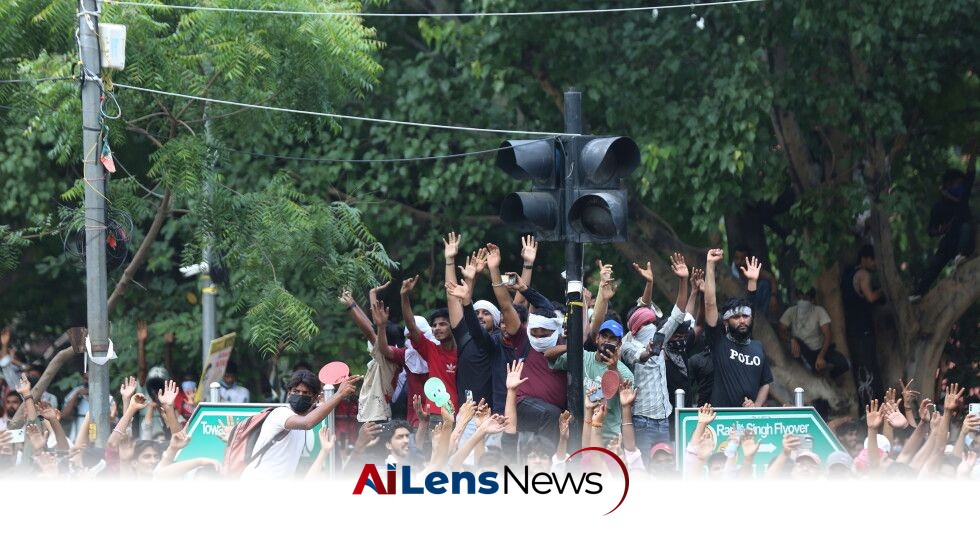
Washington DC, United States Jul 26, 2026 ALN: In a significant turn of events, India’s 'Cockroach' movement has called off its weeks-long protests after the resignation of Education Minister Dharmendra Pradhan. The protests, which gained momentum due to allegations of irregularities in the education system and leaks in competitive entrance exams, culminated in a celebratory atmosphere among demonstrators in New Delhi.
The 'Cockroach' movement, named for its tenacity and persistence, emerged as a response to widespread dissatisfaction with the education sector. Protesters accused the government of failing to address critical issues affecting students, including transparency in examination processes and the quality of education. The movement's name symbolizes the idea that, like cockroaches, the issues within the education system persist despite attempts to ignore or eliminate them.
Over the past few years, the Indian education system has faced scrutiny for various reasons. Allegations of corruption, mismanagement, and inefficiency have plagued institutions at all levels. The competitive entrance exams, crucial for students seeking admission to prestigious colleges and universities, have been particularly controversial. Reports of exam leaks and irregularities have raised concerns about fairness and integrity in the selection process, leading to widespread unrest among students and parents alike.
Moreover, the COVID-19 pandemic exacerbated existing issues, revealing significant disparities in access to quality education. Many students, especially from marginalized communities, faced challenges in continuing their studies due to a lack of resources, internet access, and support systems. This context fueled the anger and frustration that ultimately coalesced into the 'Cockroach' movement.
On July 25, 2026, Pradhan's resignation was announced, which was seen as a direct response to the mounting pressure from the protesters. His departure marked a pivotal moment in the movement, as demonstrators celebrated their victory, claiming that the government had accepted all of their demands. Pradhan, who had been in office since 2019, faced increasing criticism for his handling of the education sector amid these growing concerns.
His resignation is significant not only for the movement but also for the broader political landscape in India. Education is a critical issue for many voters, and the government's perceived failure to address the needs of students could have implications for future electoral outcomes. Pradhan's exit may signal a shift in the government's approach to education, with potential new leadership bringing fresh perspectives and strategies to the table.
Following the announcement, jubilant crowds filled the streets of New Delhi, chanting slogans and expressing their relief. Many protesters expressed hope that this change would lead to meaningful reforms in the education system. "This is just the beginning; we will continue to fight for our rights and ensure that our voices are heard," said one protester. The atmosphere was charged with a sense of accomplishment, as demonstrators felt that their collective efforts had made a tangible impact.
The movement has galvanized a diverse group of participants, including students, educators, and parents, all united by a common goal of seeking accountability from the government. Social media played a crucial role in organizing and amplifying the movement, allowing individuals to share their experiences and grievances, thereby fostering a sense of solidarity among participants.
Many activists emphasized the importance of remaining vigilant, as the resignation of a single minister does not guarantee comprehensive reforms. They called for continued engagement with policymakers and urged fellow citizens to stay informed about developments in the education sector.
The resignation of Pradhan raises questions about the future direction of India's education policies. Analysts suggest that this could lead to a reshuffling of leadership within the Ministry of Education and potentially prompt a review of existing policies. The movement has highlighted the need for greater accountability and transparency in the education sector, and it remains to be seen how the government will respond to these calls.
In the wake of these developments, stakeholders in the education sector, including teachers' unions, student organizations, and educational institutions, will likely push for reforms aimed at improving the quality of education and ensuring equitable access for all students. The government may need to prioritize addressing systemic issues, such as outdated curricula, inadequate infrastructure, and the need for teacher training and support.
Moreover, the implications of this movement extend beyond the education sector. It serves as a reminder of the power of grassroots activism and the ability of citizens to effect change through collective action. As other social movements gain traction in India, the 'Cockroach' movement may inspire similar efforts in different areas, encouraging citizens to hold their government accountable.
The 'Cockroach' movement's success in forcing a government resignation underscores the power of collective action in advocating for change. As the dust settles, many will be watching closely to see how the government responds to the demands for reform in the education system. The coming weeks and months will be critical in determining whether the momentum generated by the protests translates into meaningful policy changes or if the status quo will prevail.
The ongoing dialogue between the government and the protesters will be essential in shaping the future of education in India. Stakeholders will need to engage constructively to ensure that the voices of students and educators are heard, fostering an environment where educational integrity and quality are prioritized. The 'Cockroach' movement has opened a new chapter in the discourse surrounding education in India, and its legacy may influence future generations of students and activists.
To learn more about the latest developments in Political Controversies, stay updated with our exclusive reports and analyses on AiLensNews.

