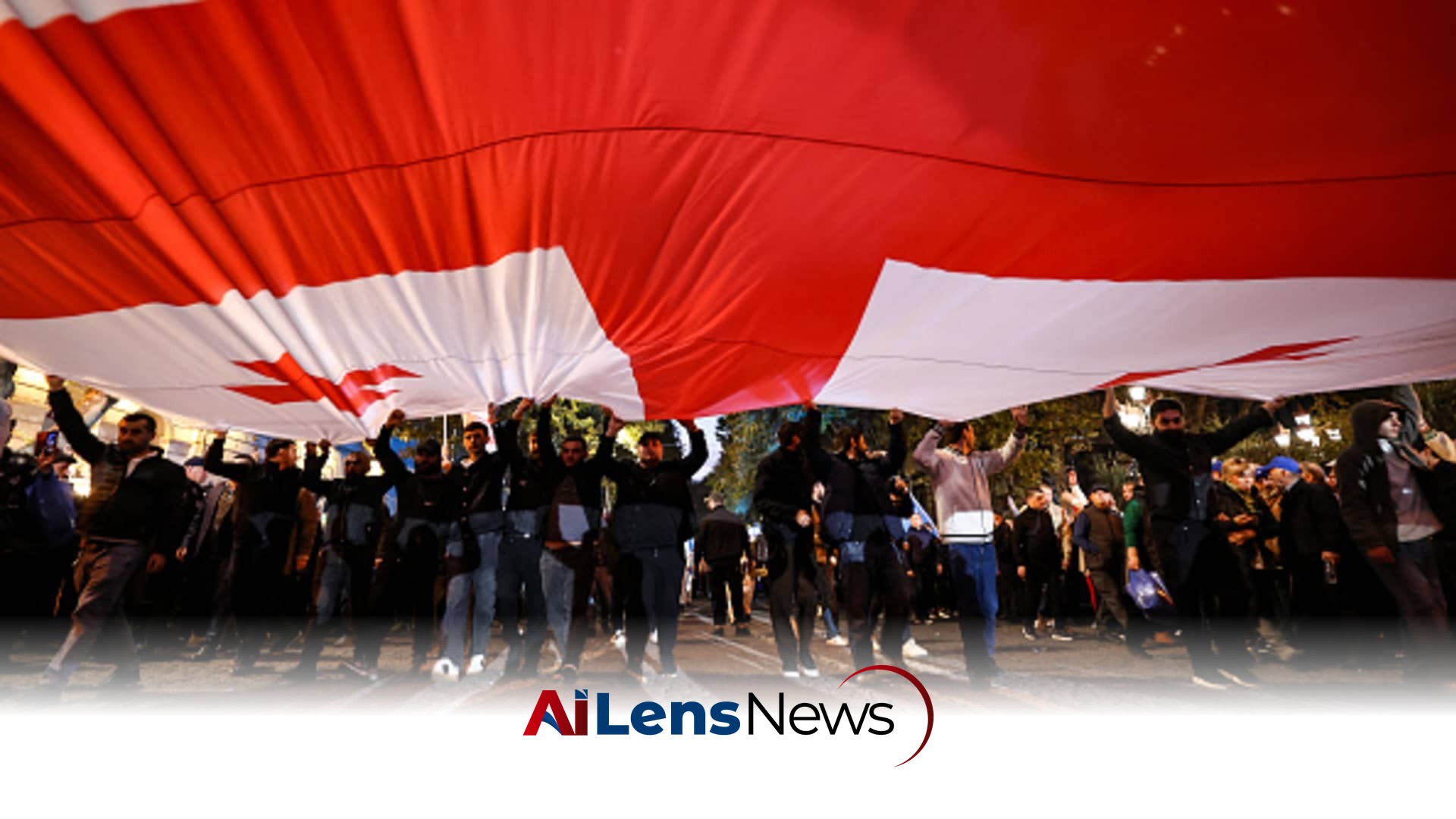


Georgia faces a critical decision in its upcoming election, balancing influences from Russia and the West amidst rising tensions.
Washington DC, United States Oct 25, 2024 ALN: Georgia, a nation at the crossroads of Europe and Asia, is gearing up for a significant election that will shape its future. As a former Soviet republic, Georgia has long grappled with the competing influences of Russia and the West, and this election is no exception. The choices made by voters in this upcoming election will resonate deeply not only within Georgia but also across the broader geopolitical landscape, influencing alliances, economic partnerships, and national security strategies.
The political landscape in Georgia is increasingly polarized, with candidates representing divergent visions for the country's future. On one side, there are those advocating for closer ties with Europe, emphasizing democratic values, economic integration, and alignment with Western institutions. This faction argues that such alignment is crucial for fostering economic growth, improving governance, and enhancing civil liberties. On the other side, some factions favor maintaining a strong relationship with Russia, citing historical ties and economic dependencies. These candidates often frame their arguments around national sovereignty, cultural identity, and the potential risks of alienating a powerful neighbor.
Georgia's struggle for independence from Soviet rule in the early 1990s marked the beginning of its complex relationship with both Russia and the West. Following the dissolution of the Soviet Union, Georgia declared independence in 1991, but the transition was fraught with challenges, including civil unrest and economic instability. The 2008 war with Russia over the separatist regions of South Ossetia and Abkhazia further complicated this dynamic, leading to ongoing tensions and a significant Russian military presence in these regions. This conflict not only resulted in the loss of territorial integrity for Georgia but also solidified the divide between pro-Western and pro-Russian sentiments within the country.
In the years following the war, Georgia has made significant strides toward European integration, including aspirations for NATO membership and participation in various EU programs. However, the presence of Russian troops in the breakaway regions and the Kremlin's influence in Georgian politics have posed continual challenges to these aspirations. The historical context of Georgia's independence and its tumultuous relationship with Russia is critical to understanding the stakes of the upcoming election.
The upcoming election is seen as a referendum on Georgia's geopolitical orientation. Voters are faced with the challenge of choosing between a future aligned with European democratic ideals or one that leans towards Russian influence. This decision is further complicated by internal political strife, economic challenges, and public sentiment regarding national identity. The political environment is charged, with accusations of corruption, authoritarianism, and foreign interference swirling around the candidates and their parties.
In recent years, the ruling party has been criticized for its handling of democratic reforms and its approach to civil society. Opposition parties, many of which advocate for stronger ties with the West, have accused the government of backsliding on democratic principles. This political tension has led to protests and calls for greater accountability from the government, reflecting a populace that is increasingly engaged in the political process.
Moreover, the role of civil society organizations and independent media has become increasingly crucial in shaping public discourse and holding the government accountable. Activists and NGOs have been at the forefront of advocating for transparency, democratic governance, and human rights, often facing significant pushback from authorities. This dynamic adds another layer of complexity to the electoral process, as the environment for free expression and political dissent remains precarious.
Recent polls indicate a divided electorate, with many Georgians expressing a desire for closer ties with Europe, while others remain wary of abandoning traditional ties with Russia. The influence of Russian propaganda and economic pressures cannot be underestimated, as they play a significant role in shaping public opinion. Economic dependencies, such as reliance on remittances from Georgian workers in Russia, complicate the narrative for those advocating for a pivot to the West.
Moreover, the impact of the COVID-19 pandemic has exacerbated economic challenges, leading to increased public discontent and a desire for stability. As the election approaches, candidates are focusing on economic recovery plans, with differing approaches to how best to achieve growth and stability. The division in public sentiment reflects not only political preferences but also deep-seated concerns about national identity and the future direction of the country.
In addition, the generational divide within the electorate is noteworthy. Younger voters, who have grown up in a more globalized world, often lean towards pro-European candidates and policies, while older generations may hold more traditional views shaped by historical ties to Russia. This generational gap could play a crucial role in determining the election's outcome, as candidates tailor their messages to resonate with different segments of the population.
The outcome of this election will have far-reaching implications not only for Georgia but also for the broader region. A pro-European government could strengthen NATO's presence in the Caucasus, potentially leading to enhanced security cooperation and economic partnerships with Western nations. This shift could also embolden other countries in the region seeking to distance themselves from Russian influence.
Conversely, a pro-Russian administration might lead to increased instability and a shift in the balance of power within the region. Such a shift could embolden separatist movements in Georgia and neighboring countries, potentially leading to further conflict. The geopolitical stakes are high, with both Russia and Western nations closely monitoring the election outcomes and preparing to respond to the results.
Furthermore, the election will likely impact Georgia's relationships with neighboring countries, particularly those in the South Caucasus and Eastern Europe. A pro-Western government could foster closer ties with countries like Ukraine and Moldova, which have also faced Russian aggression and are pursuing European integration. Conversely, a government aligned with Moscow could lead to a more isolationist stance, affecting regional cooperation on issues such as trade, security, and energy.
As Georgia approaches this pivotal election, the stakes are high. Voters must weigh their historical ties against their aspirations for a democratic future. The decision they make will not only define their national identity but also influence the geopolitical landscape of the region for years to come. The electoral outcome will reflect not just a choice between two paths but also the resilience of Georgian society in navigating complex historical legacies and contemporary challenges. As the election date approaches, the eyes of the world will be on Georgia, a small nation with a significant role in the geopolitical chess game between East and West.
To learn more about the latest developments in Elections, stay updated with our exclusive reports and analyses on AiLensNews.

