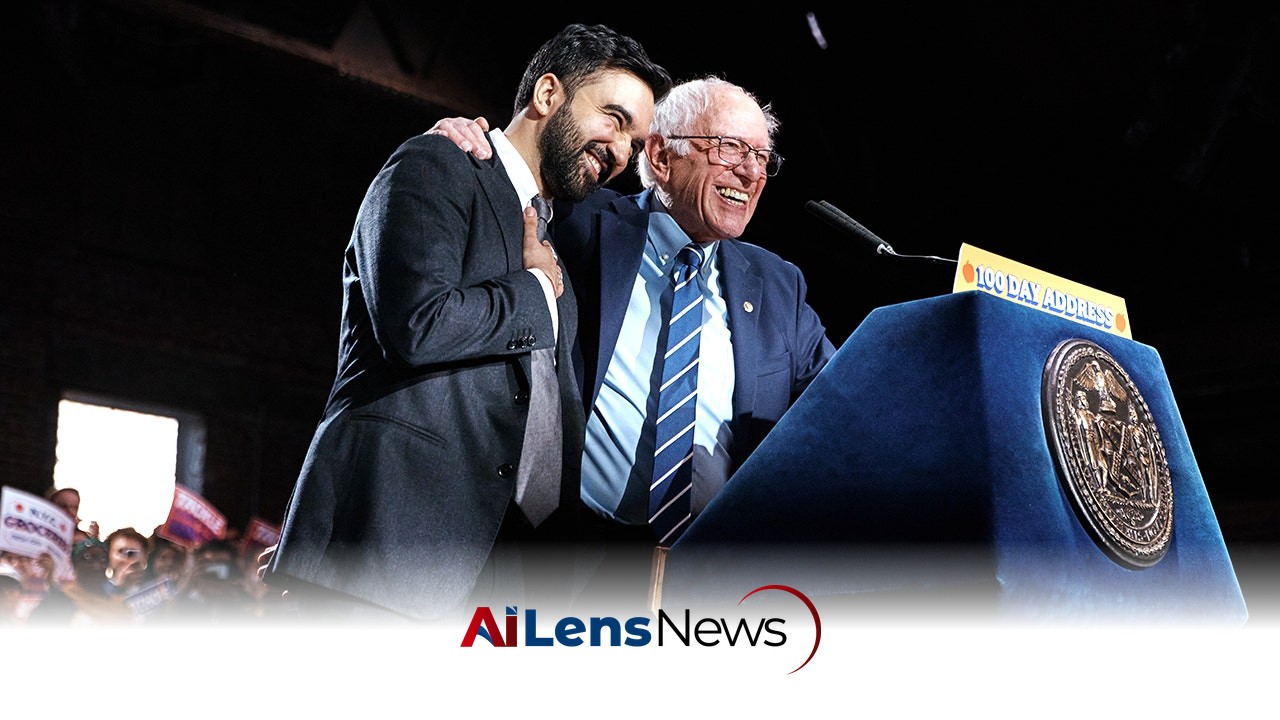


House Freedom Caucus Chairman Andy Harris warns that DSA-backed candidates are pushing the Democratic Party towards communism, potentially alarming voters ahead of the midterms.
Washington DC, United States Jul 25, 2026 ALN: The political landscape in the United States has been undergoing significant changes, particularly within the Democratic Party, which has seen a notable shift to the left in recent years. This shift has raised alarms among conservative leaders, particularly within the House GOP, as they prepare for the upcoming midterm elections. One of the prominent voices expressing concern is House Freedom Caucus Chairman Andy Harris, a Republican from Maryland. Harris has articulated his belief that the influence of the Democratic Socialists of America (DSA) is pushing the party further left than many voters may realize.
Harris's comments reflect a growing sentiment among conservatives that the Democratic Party is becoming increasingly aligned with more radical leftist ideologies. He specifically points to the infiltration of what he describes as "truly communist elements" within the party, suggesting that this trend could alienate moderate voters and ultimately benefit Republicans in the upcoming elections. "I think Americans are going to realize that the Democrats are truly the crazy party now, and the country can't tolerate that," Harris stated, expressing optimism about the GOP's chances in retaining their slim majority in the House of Representatives.
The political dynamics in the House are particularly precarious for Republicans as they head into the midterms. The GOP currently holds a narrow majority, and the party is keenly aware that a loss in the House could significantly impact the legislative agenda for the remainder of President Donald Trump's term. With lawmakers returning to their home districts for a five-week campaign period, they are tasked with convincing constituents of the importance of maintaining Republican control. This includes addressing the concerns raised by the leftward shift of the Democratic Party.
One of the key talking points emerging from Republican campaigns is the recent successes of DSA-backed candidates in Democratic primaries. These victories have been particularly pronounced in urban areas, such as New York City, where candidates supported by Democratic socialist Mayor Zohran Mamdani have managed to defeat incumbent progressive lawmakers. Harris views these outcomes as indicative of a broader trend within the Democratic Party, suggesting that the party is increasingly embracing policies that he categorizes as radical and extreme.
In his analysis, Harris highlights Mamdani's advocacy for extensive government involvement in various sectors, which he equates to communism rather than mere socialism. This characterization of the Democratic Party's direction plays into a larger narrative among conservatives that seeks to frame the opposition as out of touch with mainstream American values. The implications of this narrative are significant as they not only shape the campaign strategies of Republican candidates but also influence public perception of the Democratic Party.
The concerns raised by Harris and other conservatives are not merely anecdotal; they reflect a broader trend observed in political science research. Studies have shown that political polarization in the United States has been increasing over the past few decades, with both major parties becoming more ideologically distinct. The Democratic Party's leftward shift, particularly among younger voters and urban constituencies, has coincided with rising support for progressive policies such as Medicare for All, the Green New Deal, and tuition-free college. These proposals, while popular among many Democratic voters, are often viewed with skepticism by moderates and conservatives, who fear they may lead to increased government spending and higher taxes.
As the midterm elections approach, the Republican Party is not only focused on the immediate electoral landscape but also on the long-term implications of the Democratic Party's shift to the left. The GOP is concerned that this trend could mobilize conservative voters who may feel threatened by the prospect of a more radical Democratic agenda. In this context, Harris's remarks serve as a rallying cry for Republicans, emphasizing the need to present a united front against what they perceive as an existential threat to American values and governance.
Harris's own position in Maryland highlights the complexities of the current political environment. He represents a district that is considered a safe Republican seat, particularly after Maryland Democrats faced challenges in redistricting efforts that could have altered the balance of power in the state. This situation allows Harris to focus on broader national issues rather than local electoral concerns, positioning himself as a spokesperson for the conservative movement in the face of perceived threats from the left.
The implications of these developments extend beyond the immediate electoral cycle. A continued leftward shift among Democrats could reshape the political landscape in the United States for years to come, influencing not only legislative priorities but also the broader discourse around issues such as healthcare, education, and economic policy. As the DSA and similar groups gain traction within the Democratic Party, Republicans are likely to intensify their efforts to frame these developments as a departure from traditional Democratic values.
Moreover, the growing prominence of socialist and progressive candidates within the Democratic Party raises questions about the future of bipartisan cooperation in Congress. If the Democratic Party continues to embrace more radical policies, it could lead to increased polarization and gridlock, making it more challenging to achieve consensus on key issues. This potential scenario underscores the stakes of the upcoming midterm elections, as control of the House could determine the extent to which either party can advance its legislative agenda.
As the Republican Party gears up for the midterms, it is also looking at the long-term implications of the Democratic Party's leftward shift on the political landscape. The GOP's strategies will likely focus on not only retaining their majority but also on framing the Democratic Party's policies as out of touch with the average American. This narrative is crucial as Republicans seek to consolidate their base and appeal to independent voters who may be wary of more extreme political ideologies.
The Democratic Party faces its own set of challenges in navigating this ideological shift. While progressive candidates have gained traction in primary elections, there remains a significant faction within the party that advocates for more centrist policies. This internal division could complicate the party's ability to present a unified front in the general elections, potentially alienating moderate voters who may feel uncomfortable with the more radical proposals being championed by some of their candidates.
In conclusion, the changing dynamics within the Democratic Party, highlighted by the influence of the DSA and the victories of leftist candidates, are causing concern among conservatives and shaping the strategies of Republican candidates as they head into the midterm elections. Harris's comments reflect a broader narrative within the GOP that seeks to capitalize on these developments by framing the Democratic Party as increasingly radical and out of touch with the American electorate. As both parties prepare for the electoral battle ahead, the implications of these shifts will undoubtedly resonate throughout the political landscape for the foreseeable future. The outcome of the midterms will likely serve as a barometer for the direction of American politics in the coming years, with potential ramifications for both domestic and foreign policy agendas.
To learn more about the latest developments in Elections, stay updated with our exclusive reports and analyses on AiLensNews.

