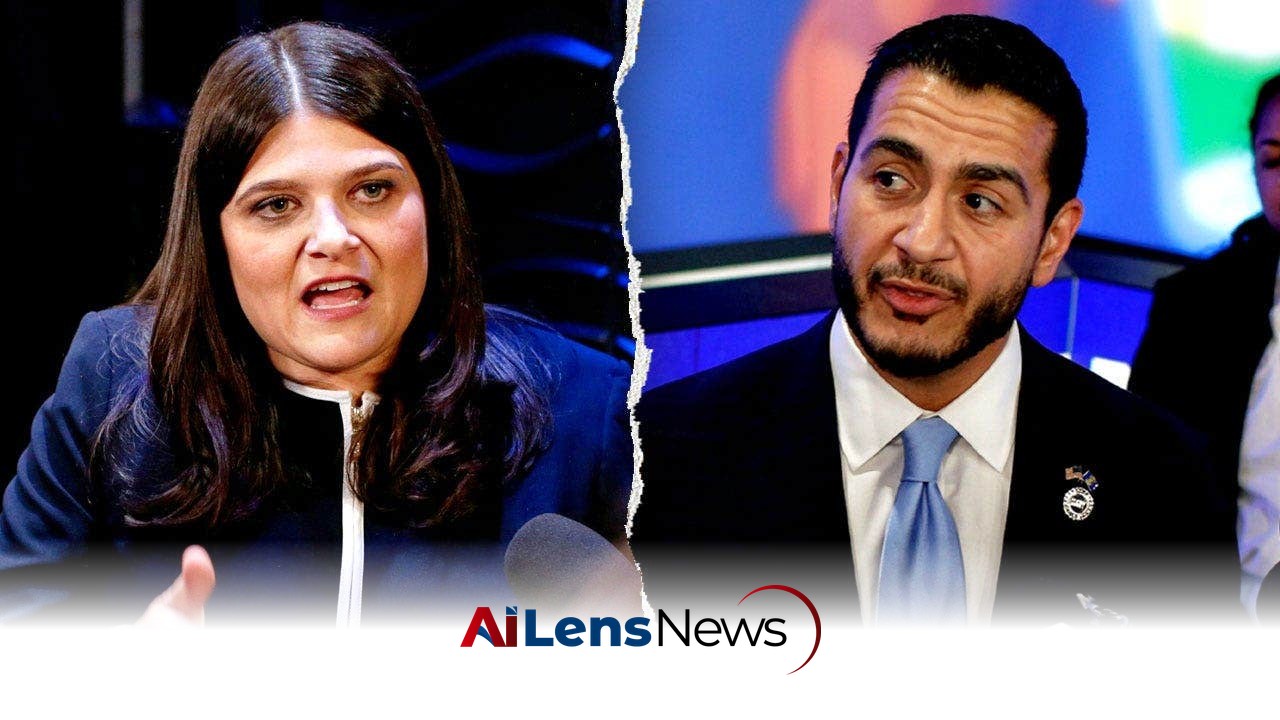


Senator Bernie Sanders emphasizes that the Michigan Senate primary is a battle against the 'billionaire class' rather than a contest against Rep. Haley Stevens.
Washington DC, United States Jul 19, 2026 ALN: Senator Bernie Sanders, I-Vt., made headlines during a recent campaign rally in Detroit, where he asserted that the upcoming Michigan Democratic Senate primary is not merely a contest between Rep. Haley Stevens and progressive candidate Abdul El-Sayed. Instead, he framed it as a critical battle against the 'billionaire class' that seeks to undermine progressive values. Sanders, a prominent figure in American politics, has consistently advocated for policies aimed at reducing income inequality and increasing the influence of ordinary citizens in the political process, which he believes is being threatened by the concentration of wealth and power among a small elite.
Sanders, who endorsed El-Sayed, claimed that approximately $50 million in outside spending has been directed against the progressive candidate. This figure reflects the increasing role of money in politics, particularly in high-stakes primary elections where outside groups often play a significant role in shaping the narrative and influencing voter perceptions. He urged supporters to question why wealthy donors are so invested in defeating El-Sayed, suggesting that their fear stems from his potential to challenge the status quo. This notion of wealthy interests attempting to manipulate electoral outcomes is a recurring theme in Sanders' rhetoric, which resonates with many voters who feel disenfranchised by the political system.
During his speech, Sanders emphasized, "In all due respect to Haley Stevens, everybody knows that this is not an election between her and Abdul. This is an election between Abdul and the billionaire class. That is what this election is about." His remarks were aimed at rallying support for El-Sayed, who is set to face Stevens in the primary on August 4. The framing of the primary as a battle against the billionaire class serves to galvanize progressive voters who are increasingly concerned about the influence of money in politics and the need for a government that works for the people rather than for corporate interests.
Sanders highlighted the significant financial disparities in the race, noting that outside groups have outspent El-Sayed's campaign by a margin of 12-to-1. According to AdImpact, super PACs supporting Stevens are investing around $26.9 million in television ads during the final weeks of the primary, while El-Sayed's campaign has approximately $2.1 million backing. This stark contrast in financial resources raises important questions about the viability of grassroots campaigns in the current political environment, where large sums of money can dramatically shape electoral outcomes.
The heavy spending by super PACs and outside groups often leads to a situation where candidates who rely on small-dollar donations and grassroots support find themselves at a significant disadvantage. This dynamic has implications not only for the candidates involved but also for the broader democratic process, as it can limit the diversity of voices and perspectives that are able to compete in elections. The reliance on large donors can also lead to concerns about accountability and transparency, as candidates may feel beholden to the interests of their financial backers rather than their constituents.
The Michigan Senate primary has emerged as one of the most closely watched Democratic contests of the 2026 election cycle. El-Sayed has garnered endorsements from prominent progressives, including Sanders, while Stevens has the backing of Senate Minority Leader Chuck Schumer and retiring Senator Gary Peters. The endorsements reflect a broader divide within the Democratic Party between the establishment and progressive factions, with each side vying for influence over the party's future direction.
Stevens has represented Michigan's 11th Congressional District since 2019 and previously served on the Obama administration's auto industry task force. Her campaign has gained attention recently due to a series of viral moments, including animated speeches that drew comparisons to comedic sketches. These moments have helped her connect with a broader audience, particularly younger voters who are often drawn to candidates who can communicate effectively and engage with them on social media platforms.
As the primary approaches, the contrast between El-Sayed's progressive platform and Stevens' establishment credentials is likely to become more pronounced. El-Sayed's campaign focuses on issues such as universal healthcare, climate change, and social justice, appealing to voters who are seeking bold changes in policy. In contrast, Stevens may emphasize her experience and connections within the party, arguing that her approach is more pragmatic and capable of achieving legislative victories.
The primary is seen as a proxy battle over the future direction of the Democratic Party, with El-Sayed representing the progressive wing and Stevens aligned with the establishment. The outcome could have significant implications for the party's strategy and policies moving forward. If El-Sayed wins, it may signal a shift toward a more progressive agenda within the party, potentially influencing the Democratic platform in the 2026 general election and beyond. Conversely, a victory for Stevens could reinforce the establishment's control and lead to a more moderate approach to policy issues.
As the race tightens following the withdrawal of state Senator Mallory McMorrow, the stakes are high. The winner of the primary is expected to face Republican Mike Rogers in the general election, making this contest a pivotal moment for both candidates and the broader Democratic landscape. The outcome will not only affect the future of the Michigan Senate seat but also serve as an indicator of the Democratic Party's ability to unify its various factions in the face of external challenges.
In conclusion, the Michigan Senate primary encapsulates the ongoing struggle within the Democratic Party between progressive and establishment forces. The significant financial disparities, the influence of outside spending, and the high-profile endorsements all contribute to a complex political landscape that will shape the future of the party. As voters prepare to head to the polls, the implications of their choices will extend far beyond Michigan, potentially influencing the trajectory of national politics in the years to come.
To learn more about the latest developments in Elections, stay updated with our exclusive reports and analyses on AiLensNews.

