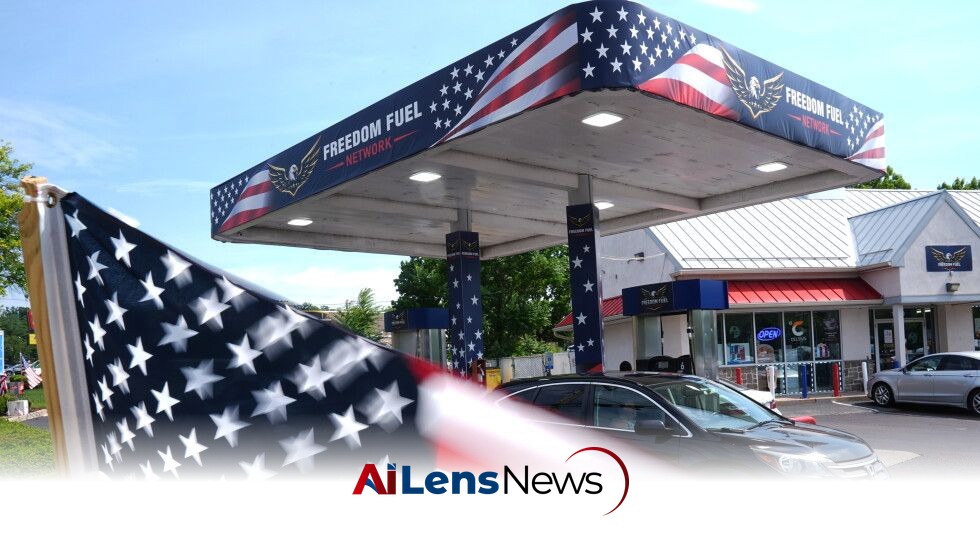


An exploration of the individuals behind the Freedom Fuel Network, including an NFL coach, a GOP fundraiser, and two New Jersey brothers.
Washington DC, United States Jul 21, 2026 ALN: In a landscape where gas prices are a hot topic, President Donald Trump and his administration have been vocal supporters of the Freedom Fuel Network, a chain of gas stations adorned with patriotic themes. This initiative has drawn attention not just for its branding but for the notable figures behind it. The rising gas prices, which have reached $3.47 in many areas, serve as a backdrop to the discussions surrounding energy independence and the political narratives that accompany them.
The Freedom Fuel Network has emerged as a significant player in the gas industry, particularly with its recent launch in Dresher, Pennsylvania. This station is the first of its kind in the region, marking a strategic expansion for the network. The branding of these stations, which emphasizes American values and a sense of community, is intended to resonate with consumers who prioritize patriotism in their purchasing decisions. The involvement of high-profile individuals adds a layer of credibility and visibility to the initiative.
Among the key players are:
The Freedom Fuel Network aims to provide not only fuel but also a sense of community and patriotism. Each station is designed to reflect American values, with the hope of attracting customers who resonate with this message. The stations feature American flags, patriotic slogans, and community events, creating an environment where consumers feel connected to a larger narrative of national pride. This approach taps into a growing trend where consumers are increasingly interested in supporting businesses that align with their personal values.
This vision of combining fuel sales with a community-centric approach could also be seen as a response to the changing dynamics of consumer behavior. As more individuals seek out brands that reflect their beliefs, the Freedom Fuel Network positions itself as a leader in this niche market. The emphasis on patriotism and community engagement may help differentiate the network from traditional gas stations, which often lack a distinct identity.
Trump's endorsement of the network aligns with his broader strategy to appeal to his base, particularly in an election year. The promotion of such initiatives may serve to bolster his image as a pro-business leader who supports American entrepreneurship. In an era marked by political polarization, initiatives like the Freedom Fuel Network could serve as a unifying force for those who share similar values, creating a sense of loyalty among consumers.
Moreover, the timing of this initiative coincides with ongoing discussions about energy policy in the United States. With gas prices fluctuating and energy independence becoming a focal point in political debates, the Freedom Fuel Network's branding could be interpreted as a strategic move to reinforce narratives around American energy production and consumption. This may resonate particularly well with voters who prioritize domestic energy sources over foreign oil.
Furthermore, the involvement of sports figures and entrepreneurs in the network may attract a diverse audience, bridging gaps between different demographic groups. The intersection of sports, business, and politics has historically played a significant role in shaping public opinion, and the Freedom Fuel Network could capitalize on this dynamic to expand its reach.
The current economic landscape, characterized by rising inflation and fluctuating fuel prices, has put additional pressure on consumers. The average American family is feeling the pinch at the pump, and gas prices can significantly impact household budgets. The $3.47 price point for gas is not just a number; it represents the broader economic challenges faced by many. In this context, the Freedom Fuel Network's entry into the market, combined with its patriotic branding, could be seen as a response to consumer sentiment. By positioning itself as a pro-American initiative, the network may appeal to those who are frustrated with rising costs and are looking for ways to support local businesses that align with their values.
Community engagement is a cornerstone of the Freedom Fuel Network's strategy. Each gas station is not merely a place to refuel vehicles; they are envisioned as hubs for local events and gatherings. This could include everything from charity drives to local sports sponsorships, fostering a sense of belonging among customers. By creating a space where community members can come together, the network aims to deepen its connection with consumers, making them feel that they are part of something larger than just a transaction.
The focus on community also aligns with a growing consumer trend toward supporting local businesses over large corporations. Many consumers are increasingly aware of the impact their purchasing decisions have on their local economies, and the Freedom Fuel Network seeks to capitalize on this trend by emphasizing its local roots and commitment to community values.
As the Freedom Fuel Network continues to expand, the involvement of these key figures highlights the intersection of sports, politics, and business in shaping public perception and consumer behavior. The success of this venture could have lasting implications for both the gas industry and the political landscape. If the network can successfully establish itself as a trusted brand that embodies American values, it may pave the way for similar initiatives in other sectors.
Additionally, the broader implications of this initiative could influence how consumers engage with brands in the future. As more businesses seek to align themselves with social and political movements, the Freedom Fuel Network's approach may serve as a model for integrating community values into corporate strategies. This could lead to a shift in how consumers evaluate their purchasing decisions, prioritizing brands that reflect their beliefs and contribute positively to their communities.
In conclusion, the Freedom Fuel Network represents more than just a new chain of gas stations; it embodies a complex interplay of patriotism, entrepreneurship, and political strategy. As gas prices remain a critical concern for many Americans, the network's ability to navigate these challenges while fostering a sense of community will be crucial to its long-term success and relevance in the marketplace. The initiative not only seeks to provide fuel but also aims to engage and uplift communities, creating a lasting impact that could redefine consumer expectations and brand loyalty in the years to come.
To learn more about the latest developments in Elections, stay updated with our exclusive reports and analyses on AiLensNews.

