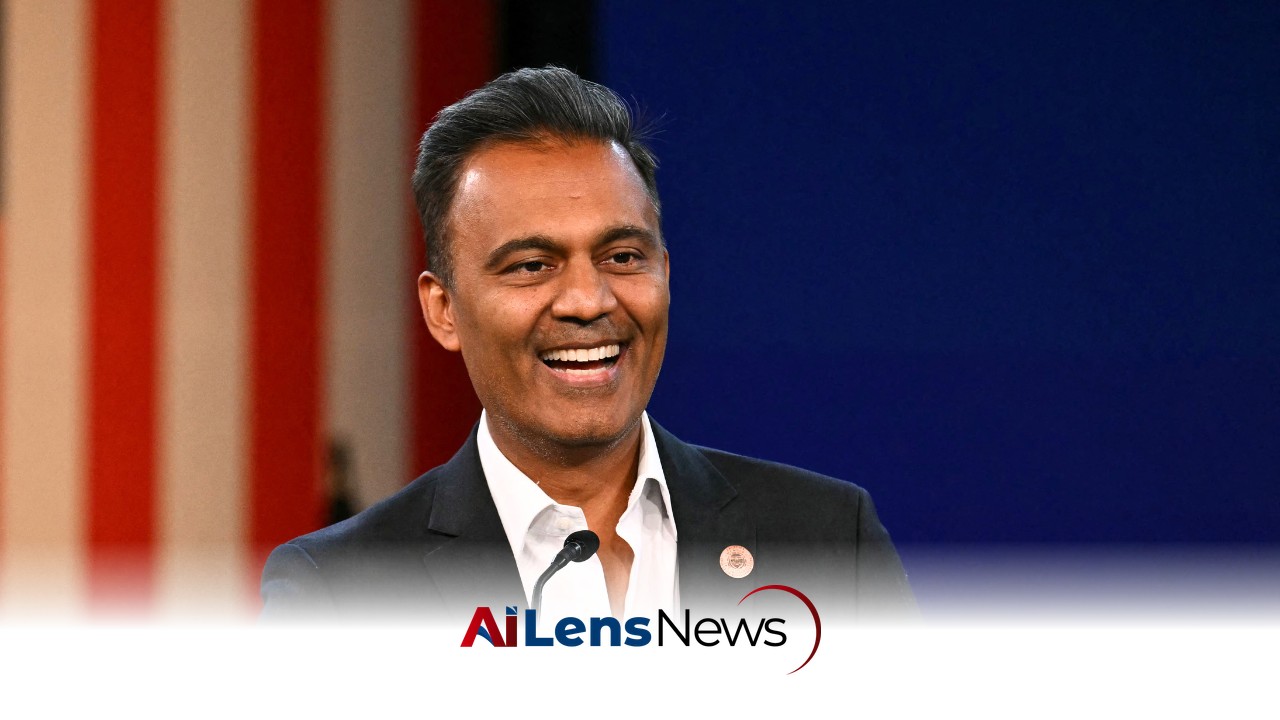


With David Schweikert not seeking reelection, Democrats Marlene Galán-Woods and Amish Shah compete for a chance to flip Arizona's 1st District.
Phoenix, United States Jul 22, 2026 ALN: As the political landscape shifts in Arizona, two Democratic candidates are vying for their party’s nomination in the crucial 1st Congressional District. The winner will face a significant opportunity to flip the seat, previously held by Republican David Schweikert, who has opted not to seek reelection. This development comes amid a broader national context where both parties are strategizing to secure control of the House of Representatives in the upcoming midterm elections.
Former television news anchor Marlene Galán-Woods and ex-state Representative Amish Shah are the frontrunners in this high-stakes primary. Both candidates fell short of an outright victory, necessitating a runoff to determine who will challenge former NFL kicker Jay Feely in the general election. The dynamics of this race are particularly noteworthy, as it reflects the shifting demographics and political sentiments in Arizona, a state that has become increasingly competitive in recent election cycles.
The primary winner will have a rare chance to flip a seat in Arizona, potentially impacting the balance of power in Washington, D.C. The significance of this race cannot be overstated, especially given that Republicans currently hold a slim majority in the House. Feely, who secured Donald Trump’s endorsement, won his GOP primary late Tuesday night, setting the stage for a competitive general election. Political analysts have highlighted that this seat could very well decide whether Republicans maintain their slim majority in the House, emphasizing the importance of this race in the broader context of the upcoming midterms.
The stakes are high, as both parties recognize that control of the House will determine the legislative agenda for the next two years. Issues such as healthcare, immigration, and economic policy are at the forefront of voters' minds, and the candidates' positions on these matters will be crucial in swaying undecided voters in the general election. Voter sentiment in Arizona has been increasingly leaning toward Democratic candidates, particularly in suburban areas that have been pivotal in recent elections. The 1st Congressional District, encompassing parts of Maricopa County, is emblematic of this trend.
Although the district has leaned Republican in recent years, Schweikert has faced stiff competition. In the 2024 election, he narrowly defeated Shah with a 51.9% to 48.1% margin. His decision to step aside has opened the door for Democrats to make a serious play for the seat. Historically, Arizona's 1st Congressional District has been a battleground, reflecting the diverse and rapidly changing electorate in the state, which has seen an influx of younger voters and a growing population of independent voters. The demographic shifts in Arizona are significant, with an increasing number of residents identifying as independents, a group that could swing the election in favor of the Democratic nominee.
Schweikert's announcement last year that he would not pursue reelection, opting instead for a gubernatorial bid, has left a significant void. Trump-backed Rep. Andy Biggs has already won his primary and is leading by a substantial margin. The shift in the political landscape following Schweikert's departure has created a unique opportunity for Democrats to capitalize on the changing sentiments among voters, particularly in suburban areas that have shown a tendency to lean Democratic in recent elections. This change reflects a broader national trend where suburban voters, particularly women and younger voters, are increasingly aligning with Democratic candidates.
Both Galán-Woods and Shah have previously competed against each other for the Democratic nomination. Shah narrowly defeated Galán-Woods in the 2024 primary before losing to Schweikert in the general election. This time, Shah is positioning himself as the strongest candidate to challenge Feely, while Galán-Woods is leveraging her background as a longtime Arizona journalist to appeal to independent and suburban voters. Her experience in media may provide her with a unique platform to connect with constituents and communicate her message effectively. Media engagement is crucial in modern campaigns, as candidates utilize various platforms to reach voters.
“I’ve grown to believe Washington is unsavable. I do believe Arizona is savable,” Schweikert remarked, reflecting the competitive nature of the district. This sentiment underscores the belief among many political observers that Arizona is a key battleground state, one that could tip the scales in favor of Democrats if they can effectively mobilize their base and attract undecided voters. The narrative surrounding Arizona as a swing state has been reinforced by recent election outcomes, where Democrats have made significant inroads in both local and national elections.
As the primary approaches, both candidates are ramping up their campaigns, with Galán-Woods receiving support from various national Democratic organizations. They view Arizona's 1st District as one of the party's best opportunities for a pickup in the 2026 elections. The involvement of national party organizations not only provides financial support but also strategic resources that could prove vital in a competitive race. The financial backing from national organizations can significantly enhance a candidate's visibility and outreach efforts, which are crucial in a district that has experienced rapid demographic changes.
The winner of this primary will advance to the general election scheduled for November 3, where they will have the chance to reshape the political landscape in Arizona. The outcome of this race could have implications beyond the district itself, potentially influencing voter turnout and party strategies in other closely contested races throughout the state and the nation. The results may also serve as a barometer for national political trends, particularly regarding voter attitudes toward key issues and party affiliations.
In addition to the immediate electoral implications, the primary results will also serve as a bellwether for national trends, particularly in how voters are responding to key issues such as the economy, healthcare, and social justice. With the political climate continually evolving, the candidates' ability to address these concerns will be crucial in their pursuit of victory in the general election. The candidates' platforms will likely focus on addressing the needs of their constituents, especially in light of ongoing economic challenges and discussions surrounding healthcare reform.
Furthermore, the dynamics of this race will be closely watched by political analysts and party strategists, as it may provide insights into the effectiveness of different campaign strategies and messaging in a rapidly changing political environment. As both candidates prepare for the final push leading up to the primary, their ability to mobilize support and articulate a clear vision for the future of Arizona will be paramount. The campaign strategies employed by both Galán-Woods and Shah will likely reflect the broader Democratic strategy to engage voters on pressing issues while countering Republican narratives in a district that has shown signs of shifting political allegiances.
To learn more about the latest developments in Elections, stay updated with our exclusive reports and analyses on AiLensNews.

