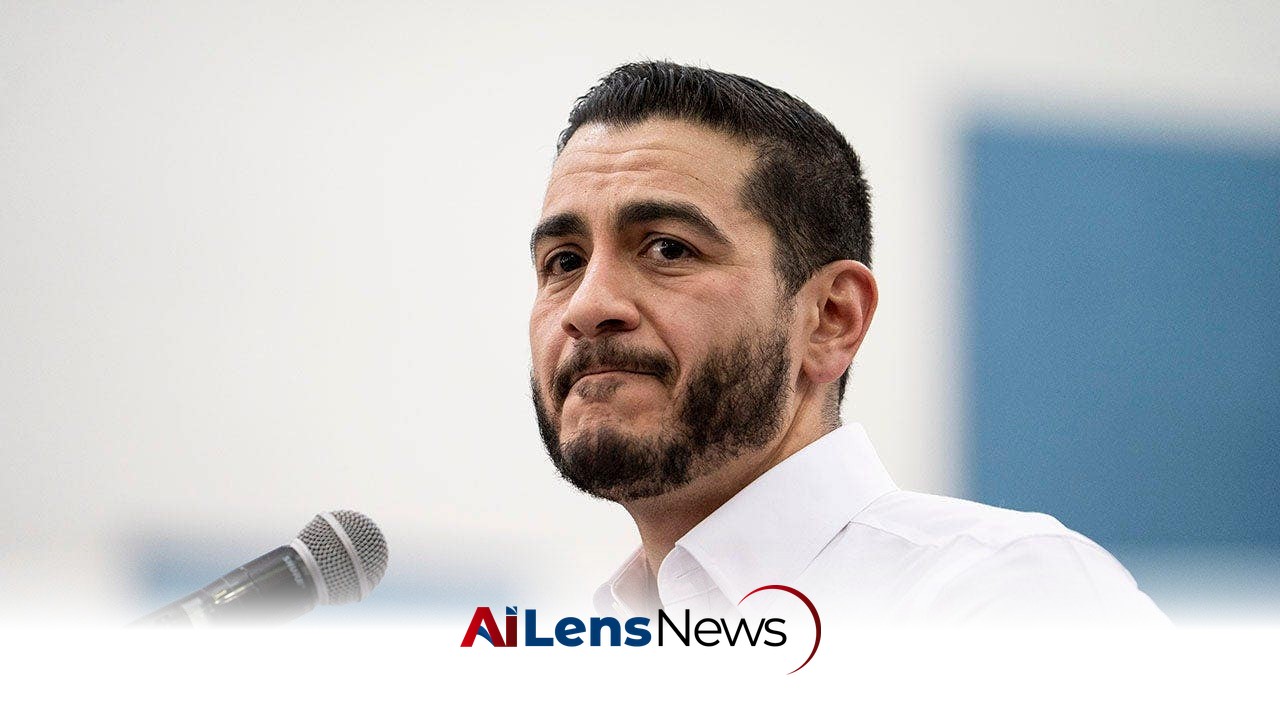


Michigan Senate candidate Abdul El-Sayed defends his past comments on defunding the police during a CNN interview, emphasizing the need for systemic change.
Washington DC, United States Jul 13, 2026 ALN: Michigan Democratic Senate candidate Abdul El-Sayed is currently facing heightened scrutiny over his past remarks advocating for the defunding of police, a topic that has gained significant traction in the wake of national protests against police violence and systemic racism. The scrutiny intensified during a recent appearance on CNN's "Inside Politics," where host Manu Raju questioned El-Sayed about comments made during a radio interview in 2020. In that interview, El-Sayed explicitly called for reallocating police funding in response to the protests that erupted following the death of George Floyd, a Black man who was killed by a Minneapolis police officer.
During the 2020 interview, El-Sayed articulated a vision for public safety that emphasized the need to redirect resources away from law enforcement and towards community investment. He stated, "I believe that we do need to defund the police insofar as defunding the police is disinvesting in the means of incarcerating or killing them on the streets. And in investing more in the means of educating and empowering, engaging communities with the means of being able to take on systemic poverty, that we’ve allowed systematic racism to allow to fester in too many communities." This perspective aligns with a broader movement that gained momentum in 2020, which advocates for a reevaluation of law enforcement practices and funding priorities.
During the CNN segment, Raju pressed El-Sayed on his previous claims of not supporting defunding the police, prompting El-Sayed to clarify his stance. He emphasized the importance of defining what he meant by "defund," arguing that the term should not overshadow the broader implications of police funding and community investment. El-Sayed explained, "You fixate on the word 'defund,' but what I’m talking about is war material that we made too much of during the war in Iraq. And then, because we had too much of it, we had to find somewhere to sell it. So we sold it to a whole bunch of local police departments." This statement reflects a common critique of the militarization of police forces in the United States, where local law enforcement agencies have increasingly adopted military-grade equipment and tactics.
El-Sayed further elaborated on his vision for public safety, advocating for a shift in focus from punitive measures to community-oriented solutions. He stated, "I believe in investing in retention and retirement for law enforcement. I've done work with law enforcement during my time in Wayne County." His comments suggest a nuanced approach to public safety that seeks to balance the needs of law enforcement with the necessity of addressing underlying social issues. El-Sayed argued for reallocating funds to support community services rather than militarizing police forces, emphasizing the need for mental health professionals to respond to crises instead of armed officers. He stated, "Instead of sending a guy with a gun, we actually send a trained mental health professional," highlighting the need for a more compassionate and effective approach to public safety.
As El-Sayed prepares for the upcoming elections, questions about the public's perception of his stance on defunding the police have arisen. Raju questioned whether his comments could impact his electability, given that public opinion on law enforcement and policing practices can be a contentious issue. El-Sayed maintained that most people desire safety and that his views align with rational perspectives held by the public. He stated, "I think the vast majority of people agree that they want to get home safely every night. The way that we have thought about law enforcement is we answer every social problem with somebody with a gun." This statement underscores a growing sentiment among many voters who are calling for a reexamination of traditional law enforcement practices and a shift towards community-based solutions.
In addition to the recent scrutiny, El-Sayed's past comments and social media activity have also resurfaced, raising questions about his consistency on the issue. Prior to his campaign, El-Sayed deleted several tweets that criticized law enforcement and expressed support for the defund movement. In a June 2020 post, he wrote, "Most major US cities spend WAY TOO MUCH on police departments to police poverty & WAY TOO LITTLE on public schools, health departments, recreation departments, & housing to eliminate poverty. Fixing that is what the #Defund movement is about." This tweet reflects a broader critique of how resources are allocated in many communities, where funding for essential services often falls short in comparison to law enforcement budgets.
When confronted about these tweets during the CNN segment, El-Sayed denied participating in any efforts to defund the police, stating, "Judge me by my work, I funded the system because it needed to be funded." This statement suggests a commitment to addressing systemic issues within law enforcement while also advocating for a more equitable distribution of resources across communities. El-Sayed emphasized the need for a conversation about the type of system society wants, rather than simply focusing on funding or defunding. This perspective is reflective of a broader national conversation about the future of policing and the role of law enforcement in society.
As the campaign progresses, El-Sayed's comments on police funding and community investment are likely to remain a focal point of discussion. The ongoing national conversation about law enforcement, systemic racism, and community safety continues to evolve, and candidates like El-Sayed will need to navigate these complex issues as they seek to connect with voters. The implications of this discourse extend beyond individual campaigns, as they reflect broader societal values and priorities regarding public safety, equity, and justice.
El-Sayed's candidacy comes at a time when many voters are increasingly engaged in discussions about the role of policing in their communities. The outcomes of such discussions can significantly influence electoral dynamics, particularly in a state like Michigan, which has a diverse population with varying perspectives on law enforcement. As voters weigh their options in the upcoming elections, candidates' positions on issues such as police funding and community investment will likely play a crucial role in shaping public opinion and electoral outcomes.
To learn more about the latest developments in Political Controversies, stay updated with our exclusive reports and analyses on AiLensNews.

