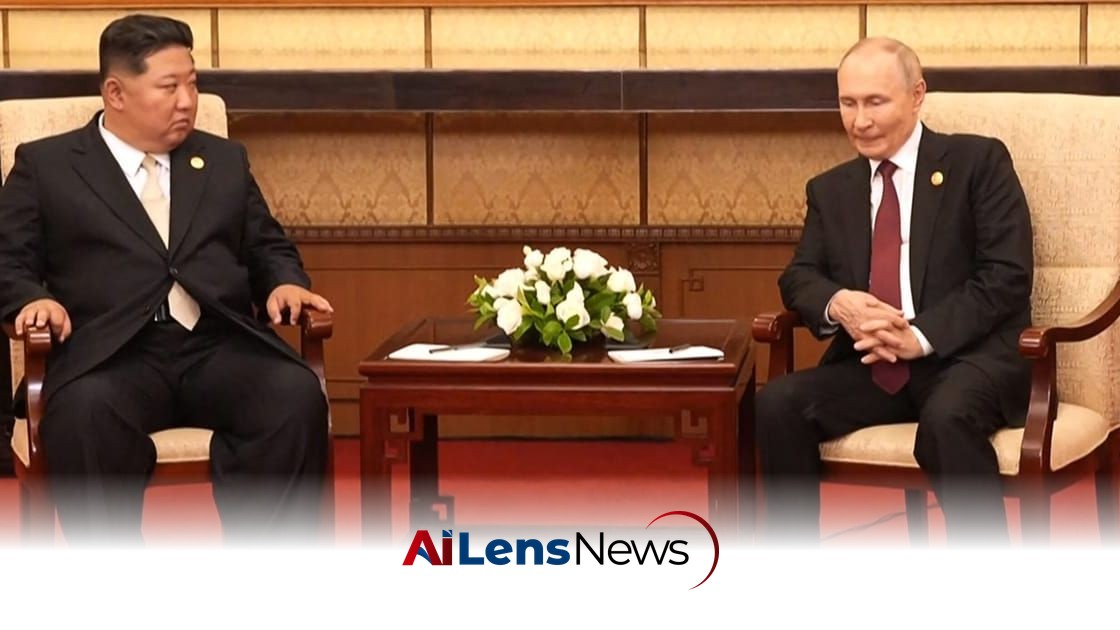


Ukrainian President Zelenskyy states that Russia aims to bring in 30,000 troops from North Korea to bolster its military efforts in Ukraine.
London, United Kingdom Jul 26, 2026 ALN: Ukrainian President Volodymyr Zelenskyy has made alarming claims regarding Russia's military strategy amid the ongoing conflict in Ukraine, suggesting that Moscow is planning to recruit an additional 30,000 troops from North Korea. This revelation comes during a period of heightened military activity and geopolitical tension in Eastern Europe and Asia. The dynamics of the conflict in Ukraine have been evolving since the initial invasion in 2022, with various international actors influencing the situation.
The relationship between Russia and North Korea has historically been complex, characterized by periods of cooperation and tension. Following the end of the Cold War, both nations found themselves increasingly isolated on the global stage, leading to a rekindling of their ties. The recent claims by Zelenskyy highlight a significant shift in the nature of this relationship, suggesting a more formalized military alliance that could have profound implications for the security landscape in both regions.
In his recent nightly address, Zelenskyy emphasized the growing military collaboration between Russia and North Korea. "We also see Russia’s cooperation with North Korea. Russia wants to receive another 30,000 troops from North Korea," he stated, indicating that preparations for this transfer have been underway since June in Russia’s Voronezh region. This region is strategically located near the Ukrainian border, making it a crucial area for military logistics and troop movement. The Voronezh region has seen increased military activity, with reports of troop buildups and the establishment of training camps aimed at integrating North Korean forces into Russian military operations.
The implications of such a recruitment drive are significant. Estimates suggest that North Korea has already dispatched approximately 12,000 troops to support Russian operations in the Kursk border region. This troop movement follows a mutual defense pact signed between Moscow and Pyongyang in 2024, which has facilitated closer military ties between the two nations. The pact underscores a strategic alliance that has evolved amid increasing international isolation and sanctions faced by both countries. The collaboration is viewed as a means for both nations to bolster their military capabilities while circumventing the extensive sanctions imposed by Western nations.
Throughout the four-year conflict in Ukraine, Russian President Vladimir Putin has leaned heavily on North Korea for military supplies, particularly artillery shells and missiles. This dependence raises questions about the nature of military cooperation between the two nations and the potential ramifications for regional security in Asia and beyond. The prospect of North Korean troops being deployed in Ukraine could shift the dynamics of the conflict, as it introduces new combatants with a different military doctrine and experience. North Korean forces are known for their unique training methods and combat strategies, which could complicate the operational landscape for Ukrainian forces.
Zelenskyy's statements also point to a deeper concern regarding the potential transfer of military expertise from Russia to North Korea. He asserted, "Russia is assisting North Korea in learning how to conduct warfare, enhance its weaponry, and gain practical combat experience in utilizing them." This exchange of knowledge could significantly bolster North Korea's military capabilities, which have already been a source of tension in the Asia-Pacific region. The collaboration could lead to advancements in North Korea's missile technology and strategic military operations, which would further destabilize the region.
The implications of this cooperation extend beyond the immediate conflict in Ukraine. North Korea's missile program has long been viewed as a threat to regional stability, particularly for neighboring South Korea and Japan. The possibility of North Korean troops receiving advanced military training from Russian forces raises alarms about the potential for increased aggression and military posturing by Pyongyang in the future. Such developments could lead to a recalibration of military strategies among U.S. allies in the region, prompting a more robust defensive posture.
In his address, Zelenskyy warned, "All of this poses a threat to everyone in Asia who is within range of North Korean missiles. We will counter this." His remarks highlight the interconnected nature of global security issues, where developments in one region can have far-reaching consequences across the globe. The Ukrainian conflict, while primarily a European issue, has implications that resonate in Asia, particularly concerning U.S. allies and interests in the region. The potential deployment of North Korean troops in Ukraine could lead to a re-evaluation of military alliances and defense strategies among nations that perceive North Korea as a threat.
The international community has been closely monitoring the situation as it unfolds. The potential influx of North Korean troops into Ukraine could provoke a stronger response from NATO and other Western allies of Ukraine, who may view this as an escalation of the conflict. Diplomatic channels may need to be leveraged to address the emerging threat posed by this alliance between Russia and North Korea. Countries in the Asia-Pacific region, particularly those with historical adversarial relationships with North Korea, are likely to increase their military readiness in response to the evolving situation.
Furthermore, the recruitment of North Korean troops could lead to a re-evaluation of military strategies by both Ukraine and its allies. The introduction of North Korean forces into the conflict may necessitate adjustments in tactics and operations, as these troops may bring different combat experiences and methodologies to the battlefield. The potential for North Korean forces to employ unconventional warfare tactics could complicate Ukraine's military response and necessitate new training and operational planning.
As the situation develops, it will be essential for analysts and policymakers to assess the broader implications of this military cooperation. The intersection of Russian and North Korean military ambitions could result in a more volatile security environment, not only in Ukraine but also in the Asia-Pacific region. The possibility of a strengthened military alliance between these two nations poses a challenge for global security frameworks and could lead to increased tensions among major powers.
In summary, President Zelenskyy's claims regarding Russia's plans to recruit North Korean troops underscore a significant shift in the dynamics of the ongoing conflict in Ukraine. The potential for increased military collaboration between Moscow and Pyongyang raises pressing questions about regional security, the balance of power, and the global implications of such alliances. As both nations navigate their respective challenges, the international community must remain vigilant and proactive in addressing the evolving threats posed by this partnership. The ramifications of this situation extend beyond the battlefield, affecting diplomatic relations, military strategies, and the overall stability of the international order.
To learn more about the latest developments in Elections, stay updated with our exclusive reports and analyses on AiLensNews.

